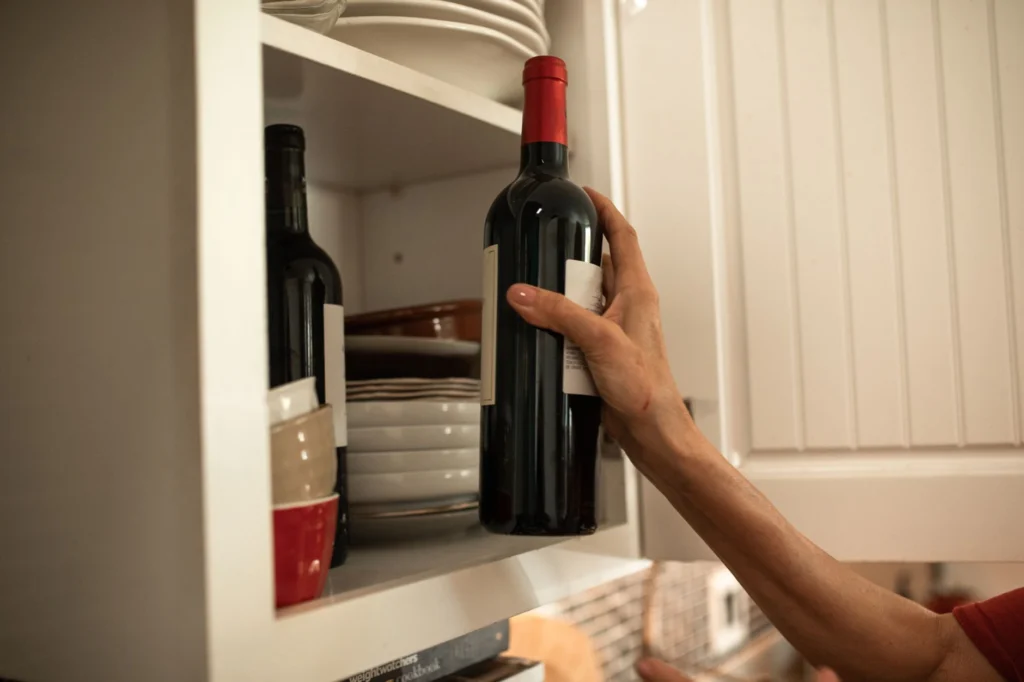
What Blind Corner Wine Means
Blind corner wine is not a region, grape, or official category. It is a useful phrase for bottles that sit just outside what you already know: a grape you cannot pronounce, a region missing from most restaurant lists, or a producer whose label gives away little. The appeal is practical. These wines can offer unusual flavors and good value before demand catches up, and tasting them is one of the fastest ways to build a more flexible palate.
You do not need to abandon familiar wines. Start with one unknown bottle alongside something you already like. Compare them directly. That makes the new wine easier to understand and gives you language for what is different: more acidity, less oak, a savory edge, or a fruit profile that does not fit the usual Cabernet, Merlot, or Chardonnay template.
Where to Find Them
Independent wine shops are the best starting point. Tell the staff what you usually drink and ask for one bottle from a region or grape you have not tried. A good merchant will narrow the choice instead of handing you the strangest bottle on the shelf. Restaurant wine lists can also work if you ask by style rather than by brand: something light and chilled, something earthy and medium-bodied, or something sparkling but not from Champagne.
Wine regions reward detours. Smaller family wineries, cooperative tasting rooms, and regional wine fairs often pour wines that never reach large retail chains. Online shops that specialize in small producers can help too, but check that they name the importer, the vintage, and the grape. A vague description is not a substitute for basic information.
Regions Worth Looking Into
Georgia is one of the most distinctive starting points. Its qvevri method uses large clay vessels buried underground for fermentation and aging, and the resulting white wines can be amber in color with tannin and dried-fruit notes. Slovenia has a wide range of soils and indigenous grapes, especially along its western border with Italy. Uruguay has built a reputation on Tannat, a red grape that can produce firm, structured wines. England now makes serious traditional-method sparkling wine from Chardonnay, Pinot Noir, and Pinot Meunier. Canada is known for ice wine, but its cool-climate reds are also worth seeking out.
Grapes to Seek Out
Italy alone offers a long list. Fiano can be aromatic and textured, while Aglianico can be dark, tannic, and age-worthy. Austria’s Blaufränkisch ranges from juicy and peppery to serious and structured depending on site and aging. Greece’s Xinomavro can be pale in color but high in acidity and tannin, with savory tomato and olive notes. Argentina’s Torrontés is aromatic and often floral, though it can be made in styles from crisp to richer and more textured.
These grapes are not obscure for the sake of being obscure. Each has a long history in its home region and a distinct set of flavors. Trying them teaches you how climate, soil, and local winemaking change what a wine can taste like.
How to Taste Without Overthinking It
Look at the wine first. Color can hint at grape, age, and winemaking, but it is not a quality score. Swirl and smell. Ask simple questions: Is the fruit fresh or dried? Is there oak, earth, pepper, flowers, or something mineral? Take a sip and pay attention to acidity, tannin, body, and finish. Does the flavor last, or does it disappear quickly? Write down three or four words you would actually use again. That is more useful than copying tasting-note language you do not feel.
Comparison is the most efficient training. If you try a Blaufränkisch, taste it next to a Merlot or Cabernet Franc. If you try a Xinomavro, compare it with a Nebbiolo or a light Pinot Noir. The point is not to rank them. It is to hear the differences more clearly.
Pairing and Context
Regional wines often make sense with regional food. Xinomavro’s acidity and tannin suit roasted meats, tomato dishes, and salty cheeses. Torrontés can work with spicy food or aromatic herbs. Fiano holds up to seafood, vegetables, and olive oil. Aglianico needs something substantial, such as braised meat or a hard cheese. These are starting points, not rules. The better question is whether the wine has enough acidity or body for the food, and whether the flavors clash or complement.
What to Ignore
Do not treat an unfamiliar label as proof of quality. Blind corner wines can be excellent, but they can also be poorly made or badly stored. Check the importer, the vintage, and the alcohol level. Ask whether the bottle has been open too long at a tasting bar. Avoid any shop that sells the idea of discovery more clearly than it sells the wine itself.
The category is also changing. Wines that felt hidden a decade ago now appear on more lists, and prices follow attention. That is normal. The useful habit is not chasing whatever is newest. It is staying curious enough to keep trying one unfamiliar bottle at a time.
Conclusion
Blind corner wine is a way to keep learning without turning wine into homework. Ask one good question at a shop, compare an unknown bottle with a familiar one, and note what you actually taste. The reward is not a secret list of rare bottles. It is a broader sense of what you like and why.
If your company or product is mentioned in this article, you're welcome to share it.