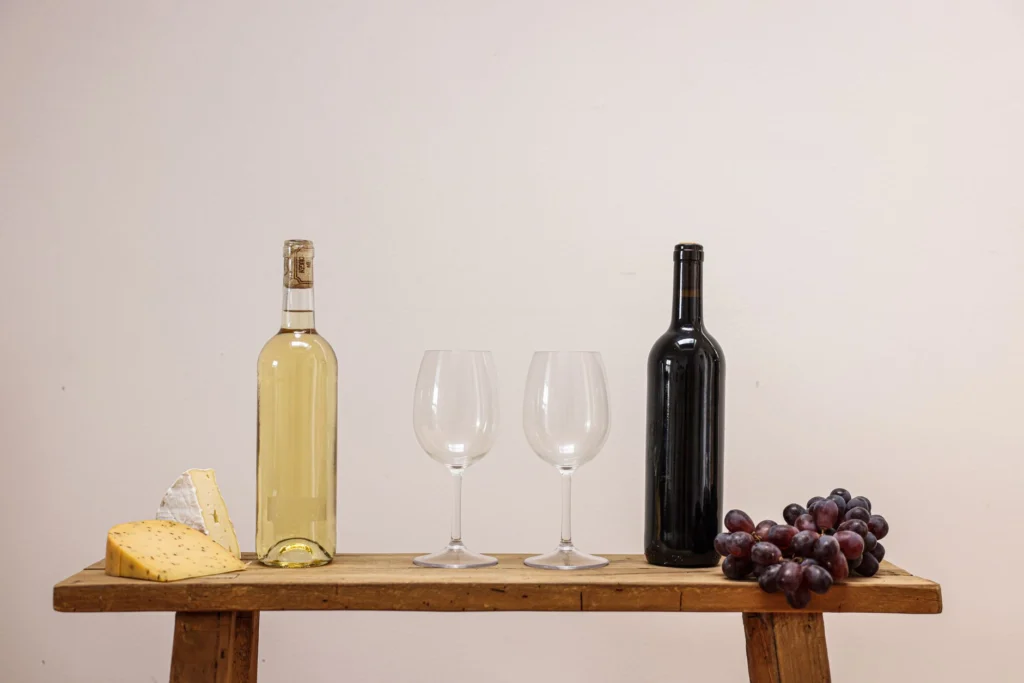
Why White Wine Rewards Attention
White wine covers a wider range than its pale color suggests. It can be lean and chalky, as in Chablis; aromatic and herbaceous, as in Marlborough Sauvignon Blanc; or broad and textured, as in barrel-fermented Chardonnay. The common thread is acidity, which gives white wine its refreshment and makes it useful at the table. Understanding grape, origin, and winemaking choices is more useful than memorizing a list of best bottles.
From Ancient Grapes to Modern Cellars
Winemaking evidence goes back roughly 8,000 years to the Caucasus. Egyptians, Greeks, and Romans all made and valued wine, using it in ritual, trade, and daily life. Early methods were simple, but the basic process of fermenting grape juice was already established. Over time, growers matched grape varieties to soils and climates, and winemakers refined techniques. Chardonnay, Sauvignon Blanc, and Riesling are not ancient brand names; they are grape varieties whose modern identities took shape through centuries of selection and regional practice. Today white wine is made worldwide, with France, Italy, Germany, and the United States among the most influential producers.
Key White Grapes and What They Taste Like
Grape variety explains much of a white wine’s character, though climate and winemaking can shift the result considerably.
- Chardonnay: Adaptable and widely planted. In cool sites such as Chablis it tends toward citrus, green apple, and mineral notes. In warmer regions and with oak, it can show ripe pear, butter, vanilla, and toast. The difference is largely site and technique, not the grape alone.
- Sauvignon Blanc: High acidity and strong aromatics. Typical notes include grapefruit, passionfruit, gooseberry, and cut grass. The Loire Valley produces examples with flinty restraint; Marlborough is known for pungent, tropical fruit.
- Riesling: Aromatic and high in acid, with flavors of lime, apple, peach, and sometimes floral or mineral notes. It can be bone dry or sweet, and its acidity gives it strong aging potential. German labels often indicate ripeness and sweetness, so reading them matters.
- Pinot Grigio/Pinot Gris: The same grape, different styles. Italian Pinot Grigio is usually light, crisp, and built around green apple and pear. Alsace Pinot Gris can be fuller, more aromatic, and sometimes off dry, with a hint of spice.
- Gewürztraminer: Highly perfumed, with lychee, rose petal, ginger, and spice. It often carries some sweetness and lower acidity, which makes it a useful match for spicy food.
- Moscato/Muscat: Fragrant and often lightly sparkling or sweet, with peach, orange blossom, and honeysuckle. It is approachable rather than subtle, and best served cold.
How White Wine Is Made
White wine is usually pressed before fermentation so the juice separates from skins, seeds, and stems. This limits extraction of color and tannin. The main steps are:
- Harvest: Growers pick when sugar, acidity, and phenolic ripeness are in balance. Picking too late can leave the wine soft and low in freshness.
- Pressing: Gentle pressing avoids bitter compounds from skins and seeds. The resulting juice is often settled before fermentation.
- Fermentation: Yeast converts sugar to alcohol and carbon dioxide. Stainless steel and controlled temperature preserve fruit and aroma. Oak barrels can add texture and flavors such as vanilla and toast.
- Aging: Wine may rest in tank for freshness or in barrel for complexity. Lees aging, stirring the wine with spent yeast cells, can add body and a creamy texture, especially in some Chardonnay styles.
- Clarification and bottling: Fining and filtration remove remaining solids and stabilize the wine before bottling. Some producers limit these steps to preserve texture and aroma.
Serving White Wine
Temperature and glass shape affect how white wine smells and tastes. Light, crisp wines such as Sauvignon Blanc and Pinot Grigio show best well chilled, around 45 to 50°F (7 to 10°C). Fuller whites such as oaked Chardonnay are better at 50 to 55°F (10 to 13°C), where aromas can open without the wine tasting flat. Sparkling wine is usually served coldest, around 40 to 45°F (4 to 7°C). A white wine glass with a smaller bowl than a red wine glass helps keep the wine cool and focus aromas. Decanting is less common for white wine, but older or reduced examples can benefit from a brief rest in a decanter.
Pairing White Wine with Food
Pairing works best when you consider acidity, body, flavor intensity, and sweetness.
- Acidity: High-acid wines cut through fat and cleanse the palate. Sauvignon Blanc with goat cheese or Pinot Grigio with fried calamari are reliable examples.
- Body: Light whites suit salads, shellfish, and delicate fish. Fuller whites can handle roasted chicken, creamy pasta, or pork.
- Flavor intensity: Aromatic wines such as Gewürztraminer stand up to spicy Asian dishes. Mineral-driven Chablis is a classic match for oysters.
- Sweetness: Off-dry and sweet whites balance heat in spicy food and pair well with fruit desserts. The wine should be at least as sweet as the dish.
The most useful approach is to taste and adjust. A wine that seems too acidic alone can become balanced with the right food, and a rich dish can make a lean white taste fuller.
Aroma and Sensory Experience
Much of white wine’s pleasure comes from aroma. Compounds such as terpenes in Muscat and Gewürztraminer, thiols in Sauvignon Blanc, and esters from fermentation create recognizable scents. Swirling the glass exposes the wine to air and helps those compounds reach the nose. Serving temperature matters too: a wine served too cold can hide its aroma, while one served too warm can taste flabby and alcoholic. Paying attention to smell, acidity, texture, and finish is more useful than chasing a single correct tasting note.
A Practical Approach to White Wine
White wine is best understood by comparing styles rather than memorizing rules. Taste a Chablis beside a New World Chardonnay, a Loire Sauvignon Blanc beside one from Marlborough, or a dry Riesling beside an off dry example. Note how acidity, sweetness, oak, and climate change the wine. Those comparisons build a more reliable palate than any list of descriptors. Whether the occasion is a simple seafood dinner or a celebration, white wine offers a broad and useful range, provided the bottle is served with care and matched to the food on the table.
If your company or product is mentioned in this article, you're welcome to share it.