

Soju: Separating Fact from Fiction About Korea’s Beloved Drink
Soju is a staple of Korean drinking culture, but it is often misunderstood. Here are seven common myths about soju, and the facts behind them.
Myth: Soju is just like vodka
Reality: Soju and vodka are both clear spirits, but they differ in ingredients and strength. Traditional soju is made from rice, though many modern brands use tapioca, sweet potatoes, or barley. Vodka is typically made from grains or potatoes. Soju usually ranges from 16% to 25% ABV, while vodka is around 40% ABV. Soju also has a subtle sweetness and a smoother finish than most vodka.
Myth: All soju tastes the same
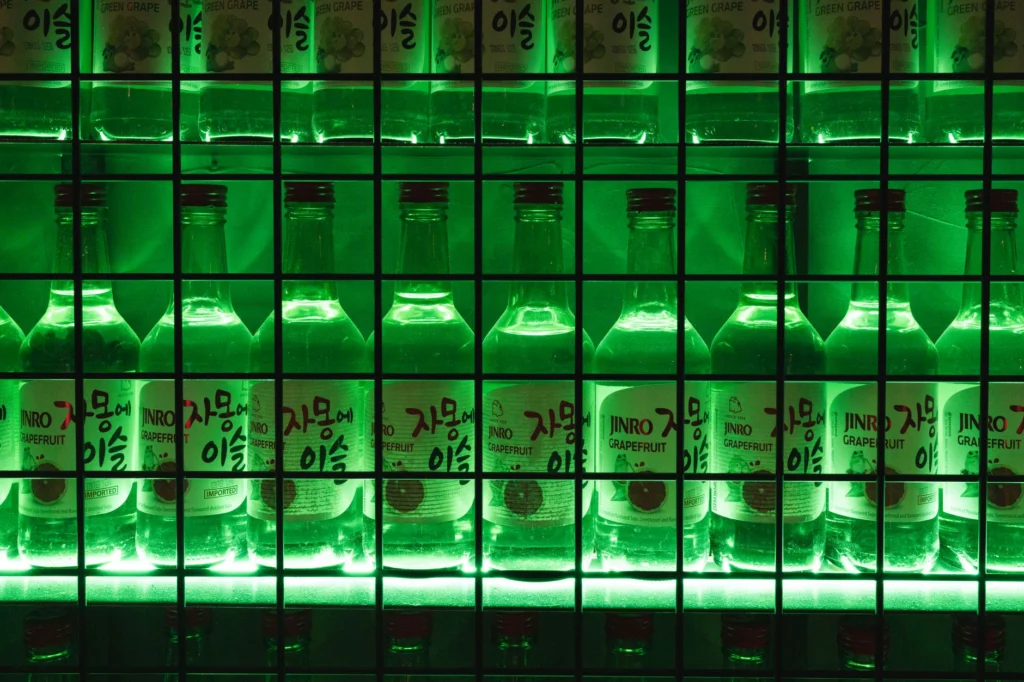
Reality: Mass-produced soju like Jinro Chamisul or Chum Churum has a neutral, slightly sweet profile. But premium and artisanal soju varieties offer complex flavors. Some are aged in oak barrels, adding vanilla and spice notes. Others are infused with grapefruit, plum, or green grape. The range is similar to the diversity found in wine or beer.
Myth: Soju is always a cheap drink
Reality: Mainstream soju is affordable, often costing around 1,500 to 2,000 Korean won (about $1.30 to $1.75) for a 360ml bottle in Korea. But premium soju, made with high-quality ingredients and traditional methods, can cost 30,000 won or more. These artisanal bottles are meant to be savored, much like fine wine or whisky.
Myth: Soju is only for the younger generation
Reality: Soju is enjoyed by Koreans of all ages. It is a common sight at family dinners, business meetings, and holiday gatherings. Older generations often prefer traditional soju, while younger drinkers may choose flavored varieties. The drink transcends age groups.
Myth: Soju doesn’t give you a hangover
Reality: Soju can cause hangovers, especially when consumed in large quantities. Its lower ABV compared to vodka does not make it hangover-proof. Dehydration, congeners produced during fermentation, and individual tolerance all play a role. Drinking water and eating food while drinking soju can help reduce the risk.
Myth: Soju must always be drunk straight
Reality: While soju is often enjoyed neat in small shot glasses, it is also a versatile mixer. Popular cocktails include the soju bomb (soju and beer) and soju mixed with Yakult, a Korean yogurt drink. You can also mix soju with fruit juices or soda for a refreshing drink.
Myth: Soju is only consumed with Korean food
Reality: Soju pairs well with Korean cuisine, especially spicy dishes, because it cleanses the palate. But its clean flavor also works with seafood, grilled meats, and even desserts. Try it with Thai food, Italian pasta, or Japanese sushi. The neutral profile makes it adaptable.
Conclusion
Soju is more than a cheap shot. It is a diverse spirit with a long history and a range of styles. Whether you drink it straight, mixed, or with food, understanding these facts can help you appreciate soju for what it truly is.
If your company or product is mentioned in this article, you're welcome to share it.


