

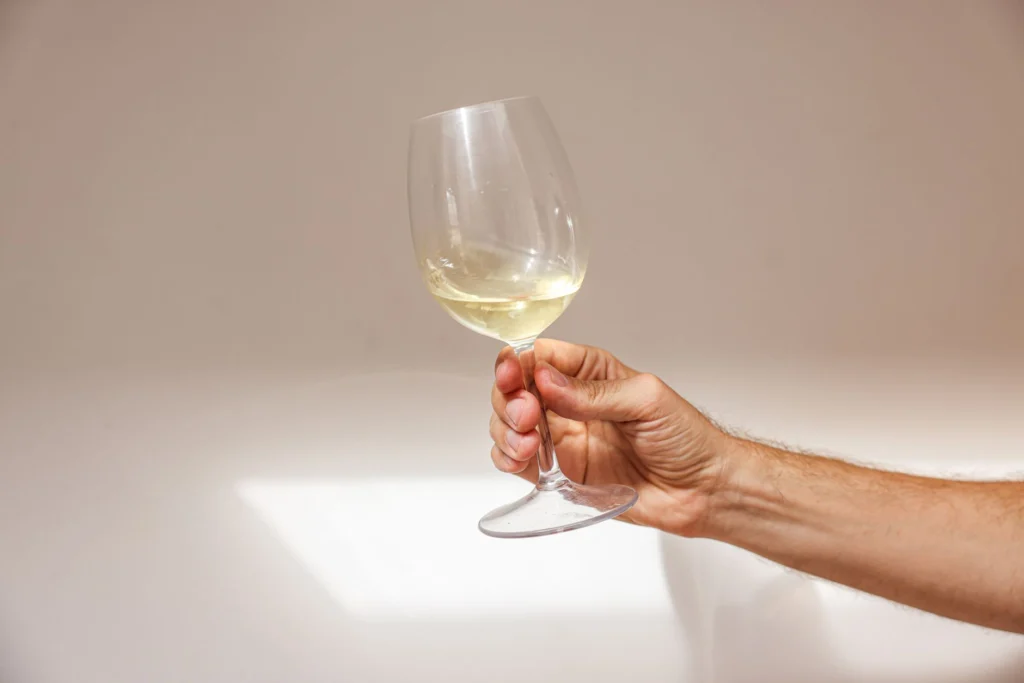
White wine glass mistakes that change the wine
White wine is more sensitive to glass shape, temperature, and cleanliness than many drinkers expect. The wrong vessel can flatten aroma, warm the wine too fast, or leave a soapy film that masks flavor. These are the mistakes worth fixing, and the practical corrections.
1. Using one glass shape for every white
A large balloon glass gives red wine room to open, but it works against most whites. The wide surface and big headspace let a chilled white warm quickly and let delicate aromas drift away. A tiny generic glass creates the opposite problem: there is little room to swirl, and the wine can smell closed or overly alcoholic.
Use a smaller, U-shaped bowl for crisp, aromatic whites such as Sauvignon Blanc, Pinot Grigio, and Albariño. The narrower bowl concentrates aroma and helps keep the wine cool. For fuller whites such as Chardonnay, Viognier, and white Rhône blends, use a slightly wider bowl so the wine can open and show texture. A universal white wine glass is a reasonable compromise, but it will not flatter every style equally.
2. Overfilling the glass
A standard pour is 4 to 6 ounces, roughly one-third full in most white wine glasses. Filling closer to the rim leaves no room to swirl, reduces the surface area where aroma collects, and makes it easier to spill. Pour less than you think you need, especially if the wine is cold and you plan to drink it slowly.
3. Holding the bowl instead of the stem
Your hand is warm enough to raise the temperature of a chilled white within minutes. Hold the glass by the stem or the base. If the glass is stemless, hold it near the top or base and keep your palm away from the bowl. This is not etiquette for its own sake; it protects the wine’s chill and keeps fingerprints off the bowl.
4. Serving from a dirty or soapy glass
Detergent residue, rinse aid, dust, and fingerprints all interfere with aroma. A delicate Riesling can smell like dish soap if the glass was not rinsed properly. Hand wash glasses in hot water with a mild, unscented soap. Avoid abrasive sponges and rinse aid. Rinse thoroughly, then air dry on a rack or polish with a lint-free cloth. Crystal is more fragile and can hold odors if stored damp, so dry it carefully before putting it away.
5. Ignoring the wine’s body and acidity
Glass choice should follow the wine, not the label color. Light, high-acid whites such as Sauvignon Blanc, Pinot Grigio, and Albariño benefit from a smaller bowl that directs the wine to the front of the palate and emphasizes crispness. Fuller whites such as Chardonnay, Viognier, and white Rhône blends do better in a wider bowl that lets the wine open and reveals creamy texture and layered flavor. Try the same wine in two glasses if you want to taste the difference for yourself.
6. Storing glasses upside down or stacked
Storing glasses upside down can trap moisture and transfer musty cabinet odors. Stacking them invites chips and cracks. Store white wine glasses upright in a cabinet or on a rack with enough ventilation to keep them fresh. If you must stack, put a soft cloth or paper towel between glasses to cushion the rims.
7. Overlooking rim thickness
A thick rim feels clunky and can interrupt the flow of wine onto your palate. A thin rim makes the glass feel more precise and lets the wine arrive with less tactile interference. Rim thickness will not change the chemical composition of the wine, but it does change how you perceive it. Look for a clean, thin rim when you buy glasses, and check that it is smooth rather than sharp.
8. Buying cheap glasses without checking the details
You do not need a cabinet full of glassware. A few well-made white wine glasses will do more than a large set of thick, poorly shaped ones. Look for lead-free crystal or high-quality glass, a seamless pulled stem if possible, a thin rim, and a bowl that fits the whites you drink most. Quality glass is more durable when cared for properly, and it gives the wine a better chance to show aroma and balance.
Comparing two useful white wine glass shapes
| Feature | Small U-shaped bowl | Wider bowl |
|---|---|---|
| Typical wines | Sauvignon Blanc, Pinot Grigio, Albariño | Chardonnay, Viognier, white Rhône blends |
| Shape | Narrow, U-shaped | Rounded, wider |
| Aroma concentration | High | Moderate |
| Temperature maintenance | Excellent | Good |
| Best for | Crisp, aromatic whites | Full-bodied, complex whites |
| Pour size | 4 to 6 ounces | 4 to 6 ounces |
The right glass is a practical tool
You do not need to memorize a rule for every grape. Start with a clean glass, pour 4 to 6 ounces, hold it by the stem, and use a smaller bowl for crisp whites and a wider bowl for rich ones. Those choices will do more for the wine than an expensive label on the glass.
FAQ
Do I really need different glasses for different white wines?
No, but shape changes how you smell and taste the wine. A universal white wine glass works for most bottles. A smaller bowl suits crisp, aromatic whites, while a wider bowl gives fuller whites more room to open. If you drink a lot of one style, buy glasses that fit it.
How should I clean delicate crystal wine glasses?
Hand wash them in warm water with a mild, unscented soap. Avoid abrasive scrubbers and harsh chemicals. Rinse thoroughly, then air dry on a rack or polish gently with a lint-free cloth. Handle crystal carefully because it is more fragile than regular glass.
Can wine glasses go in the dishwasher?
Some are dishwasher-safe, but hand washing is safer for delicate or valuable glasses. If you use a dishwasher, choose a gentle cycle, skip rinse aid, and load glasses so they cannot knock together. Inspect for residue and polish by hand if needed.
If your company or product is mentioned in this article, you're welcome to share it.


