Buying white wine online: what actually matters
Buying white wine online is convenient, but the bottle you receive depends on more than the label. Storage before shipping, transit temperature, vintage, and your own preferences all affect whether the wine tastes as intended. These are the seven mistakes that most often lead to disappointing purchases, and how to avoid them.
1. Not checking how the retailer stores and ships wine
A retailer’s reputation is not just about customer service. It is also about warehouse conditions and shipping practices. White wine is sensitive to heat and light, and a bottle that sat in a warm warehouse or delivery truck can be damaged before it reaches you.
- Look for recent reviews that mention bottle condition, leakage, or heat damage, not just delivery speed.
- Check whether the retailer ships with temperature control in summer or winter. If the site does not say, ask.
- Read the return policy before ordering. A reputable retailer should have a clear process for corked, leaking, or heat-damaged bottles.
2. Letting a discount decide for you
A large markdown can mean a genuine bargain, but it can also mean old inventory or a wine that is not selling. Compare the price with other retailers and look for independent reviews rather than relying on the retailer’s tasting note alone.
- Check the wine’s producer and appellation, not just the grape variety on the front label.
- Look for reviews from critics or publications that disclose how they taste and score wine.
- Learn a few useful terms, such as acidity, body, oak, and finish, so you can tell whether a description matches what you like.
3. Ignoring the vintage
Vintage is the year the grapes were harvested. Weather varies by region and year, and that affects ripeness, acidity, and ageability. Most white wines are made to be drunk young, but some styles, including top Chardonnay, Riesling, and Chenin Blanc, can improve with bottle age.
- Check a regional vintage chart if you are buying a wine where vintage matters, such as Burgundy, German Riesling, or Loire Chenin Blanc.
- Look at the drinking window. A 2019 Sauvignon Blanc may be past its best in 2025, while a serious Riesling may still be young.
- Ask the retailer for the vintage currently in stock. The listing should state it clearly.
4. Buying for someone else’s palate
A high score or a popular grape does not guarantee you will enjoy the wine. If you prefer crisp, citrusy whites, a heavily oaked Chardonnay may not suit you, even if it is well reviewed. Start with styles you already know and branch out gradually.
- Try a small range of varieties: Sauvignon Blanc, Chardonnay, Riesling, Pinot Grigio, and Viognier cover very different styles.
- Match the wine to what you eat. Crisp whites work with seafood and salads; richer, oaked whites suit creamy sauces and roast poultry.
- Use tasting notes as a guide to flavor and texture, not as a promise. Citrus, stone fruit, floral, and mineral descriptors are more useful than vague praise.
5. Forgetting shipping costs and transit conditions
Shipping can change the final price and the condition of the wine. A cheap bottle with expensive shipping may cost more than a better bottle from a retailer with flat-rate delivery. Extreme heat or cold during transit is a bigger risk than many buyers expect.
- Compare the total delivered price, including shipping and any packaging fees.
- Choose temperature-controlled shipping when the forecast is hot or freezing, especially for expensive bottles.
- Track the shipment and make sure someone can receive it. Wine left on a doorstep in summer can be ruined in hours.
6. Treating all regions as interchangeable
Place matters. Marlborough Sauvignon Blanc is typically pungent and citrus-driven, while Sancerre from the Loire is more mineral and herbal. Sonoma Chardonnay often shows ripe fruit and oak, while Chablis is lean and steely. Knowing the region helps you predict the style.
- Learn a few benchmark regions for the white wines you like, such as Marlborough, Sancerre, Chablis, Mosel, and Sonoma.
- Read about the regional style before buying. A grape variety alone does not tell you how the wine will taste.
- Try lesser-known regions, but check the producer and vintage first. Novelty is not a substitute for good farming and winemaking.
7. Storing the wine badly after delivery
Even a well-bought bottle can decline if it is stored poorly. Heat, light, and vibration are the main enemies. A kitchen shelf near the oven is one of the worst places for white wine.
- Store bottles in a cool, dark place at a steady 55°F to 65°F (13°C to 18°C).
- Keep humidity around 70% if you are storing cork-finished bottles long term.
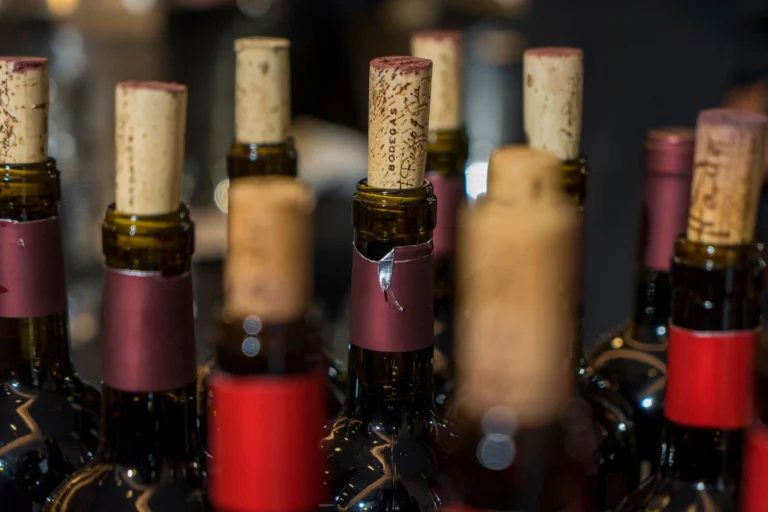
- Store bottles horizontally so the cork stays moist, and avoid moving them repeatedly.
The short version
Buy from retailers that are clear about storage and shipping, check the vintage when it matters, and buy for your own palate rather than a discount or a score. If you are spending more than usual, ask about temperature-controlled delivery and open the bottle soon after it arrives.
FAQ
How can I tell if an online wine retailer is reputable?
Look for recent reviews that mention bottle condition and returns, check that checkout uses HTTPS, and read the shipping and return policies. If the site does not explain how it stores or ships wine, ask before ordering.
How should I store white wine after delivery?
Keep it cool, dark, and steady, ideally between 55°F and 65°F (13°C and 18°C). For long-term storage, maintain about 70% humidity and lay cork-finished bottles on their side.
Do I need to pay attention to vintage for white wine?
Yes, especially for regionally expressive wines such as Burgundy, German Riesling, and Loire Chenin Blanc. For simple, young whites, freshness matters more than vintage charts, but the retailer should still list the year.
If your company or product is mentioned in this article, you're welcome to share it.