

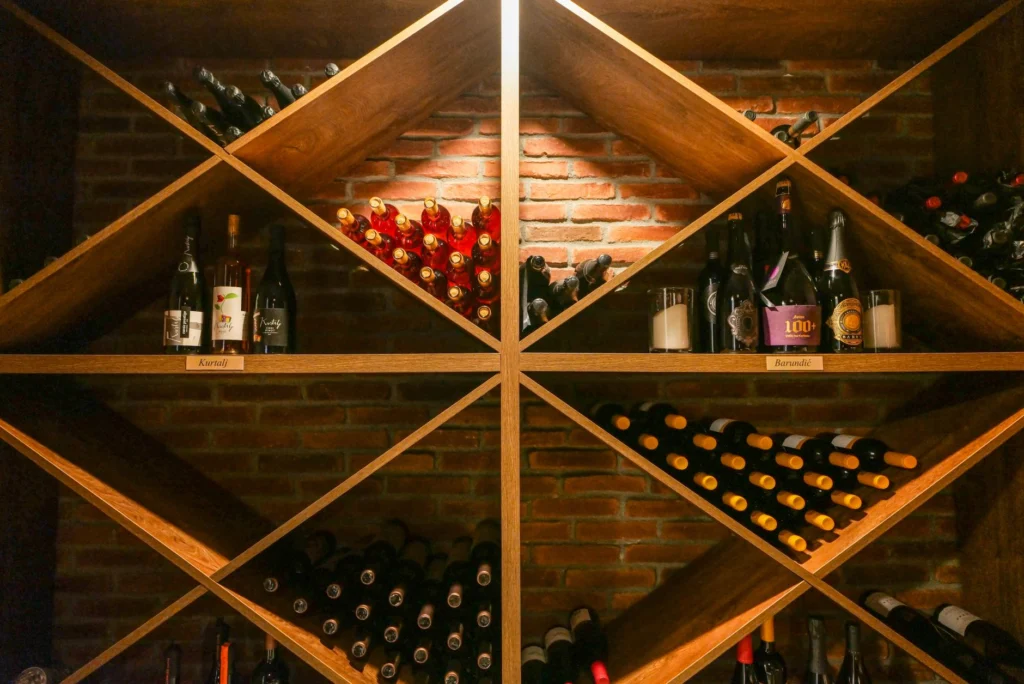
What a Wine Cabinet Actually Does
A wine cabinet is not just a rack with a door. It is a small storage environment. For long-term aging, the useful targets are steady temperature, moderate humidity, protection from light, and low vibration. Target sells wine racks, wine coolers, and furniture-style cabinets, but most models are aimed at short-term storage and display rather than cellar-grade aging. That distinction matters more than the label on the box.
Start With the Collection, Not the Cabinet
Amateurs often buy for the bottles they own today. A better approach is to count current bottles, estimate six to twelve months of growth, and measure the wall or floor space before shopping. If you keep mostly reds for dinner, a single-zone cooler may be enough. If you store white, sparkling, and red together, a dual-zone model is more useful because reds generally sit around 60 to 65°F, whites around 45 to 55°F, and sparkling wines around 40 to 45°F. Target’s inventory varies by store and online, so check the capacity in bottles and the exterior dimensions rather than relying on product photos.
Temperature Control
The amateur mistake is assuming every cooler holds a stable temperature. Look for a digital thermostat, a stated temperature range, and reviews that mention consistency. A cooler that swings several degrees is not doing the main job. For a Target unit, confirm whether it is compressor-based or thermoelectric. Compressor coolers usually handle warmer rooms better; thermoelectric units are quieter but can struggle in hot spaces.
Humidity Control
Humidity is often ignored in budget cabinets. Corks can dry out when humidity is too low, which lets air into the bottle. The usual target is 50 to 70 percent relative humidity. Many wine coolers do not include humidity control, so plan to monitor it with a small hygrometer and add a humidifier if needed. Do not assume a glass door and a fan solve this.
Light and Vibration
UV light can damage wine, so tinted or UV-resistant glass helps, but placement matters just as much. Keep the cabinet out of direct sun and away from ovens, radiators, and heating vents. Vibration is the other overlooked issue. Avoid placing a cabinet next to a washing machine, dryer, or heavy door. Check that it sits level and has rubber feet or other damping. For long-term storage, store bottles horizontally so the cork stays moist.
What Target’s Selection Looks Like
Target’s wine storage range generally falls into three groups. Basic racks are inexpensive and fine for short-term display, but they do not control temperature or humidity. Wine refrigerators and coolers offer active cooling, though many lack humidity control and UV-resistant glass. Furniture-style cabinets look more finished in a dining room, but the cooling specs may be weaker than a dedicated wine cooler. If you have a large or valuable collection, a specialized wine storage retailer will usually offer better temperature stability and service than a general retailer.
Setup and Maintenance
Put a separate thermometer and hygrometer inside the cabinet. Check both during seasonal changes, not just after installation. Leave space between bottles so air can move. Do not pack the cabinet so tightly that the back rows sit warmer than the front. Clean the interior, check the door seal, and defrost manually if the model requires it. If power outages are common in your area, a backup power supply is worth considering for a valuable collection.
Amateur vs. Pro Approach
| Decision | Amateur approach | Pro approach |
|---|---|---|
| Size | Buys for today’s bottles and runs out of room. | Measures space and plans for collection growth. |
| Temperature | Assumes all coolers are equal. | Checks thermostat range, stability, and zone layout. |
| Humidity | Ignores it until corks dry out. | Monitors 50 to 70 percent and adds humidity control if needed. |
| Light | Puts the cabinet in direct sun. | Uses tinted glass and keeps it away from sunlight and heat. |
| Vibration | Places it near appliances. | Chooses a level, quiet spot and checks for damping. |
Common Mistakes
- Buying too small because the cabinet looks generous in a photo.
- Assuming a wine rack protects wine the way a cooler does.
- Placing the unit near a heat source or in direct sun.
- Overcrowding bottles and blocking airflow.
- Skipping humidity checks in dry climates or heated rooms.
FAQ
What temperature should red wine be stored at?
For storage, red wine is generally held around 60 to 65°F. Serving temperature can be different.
What humidity level should a wine cabinet maintain?
About 50 to 70 percent relative humidity is the usual target for keeping corks in good condition.
Can red, white, and sparkling wine share one cabinet?
Yes, but a dual-zone cooler is more practical because the ideal storage temperatures differ. Reds are usually kept warmer than whites and sparkling wines.
If your company or product is mentioned in this article, you're welcome to share it.


