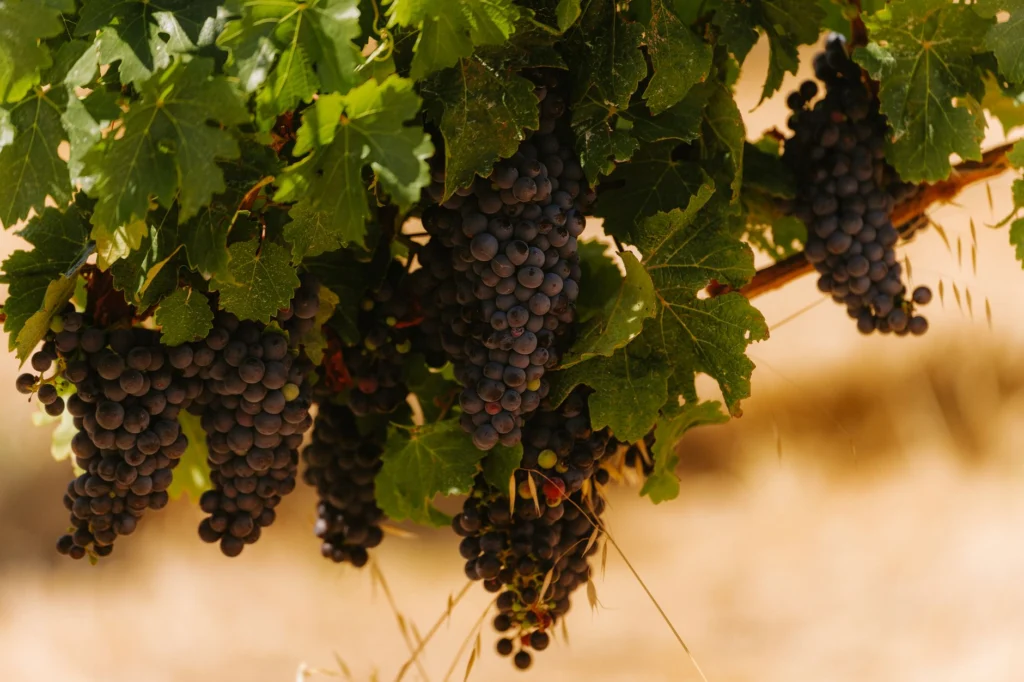
Organic Wine in Margaret River
Margaret River sits in Western Australia’s southwest, bounded by the Indian and Southern Oceans. Its maritime climate moderates heat and frost, and its gravelly loams and karri forest soils drain well. Those conditions support organic viticulture. Organic wine here is not a separate style. It is a farming and winemaking choice that can apply to Chardonnay, Sauvignon Blanc, Semillon, Cabernet Sauvignon, and Shiraz.
What Organic Means in the Vineyard and Winery
Organic grape growing prohibits synthetic pesticides, herbicides, fungicides, and artificial fertilizers. Growers use compost, cover crops, mechanical cultivation, and integrated pest management. Certification matters. Australian Certified Organic, or ACO, and the National Association for Sustainable Agriculture, Australia, or NASAA, are common certifiers. Organic winemaking limits additives and processing aids, including sulfites. Some sulfites occur naturally, and organic standards restrict added sulfites compared with conventional wines. Biodynamic farming is separate and stricter in some respects, with specific preparations and planting calendars. A bottle labeled organic should be checked for certification because the term can be used loosely in conversation.
Why Margaret River Suits Organic Growing
The region’s isolation and ocean influence reduce disease pressure compared with wetter, warmer zones. Well-drained soils and reliable breezes help keep canopies dry. That does not make organic farming easy. Vintage variation, mildew pressure in wet springs, and weed control require more handwork and monitoring. The payoff is fruit with clear varietal character and site expression. Margaret River’s organic vineyard area remains smaller than conventional, but several established producers farm organically or biodynamically and source from certified blocks.
Varietals to Look For
Chardonnay: organic Margaret River Chardonnay tends toward citrus, white peach, and sometimes hazelnut, with natural acidity and texture from lees work. Sauvignon Blanc and Semillon: often blended, with lime, passionfruit, cut grass, and a crisp finish. Cabernet Sauvignon: the region’s red benchmark, showing blackcurrant, plum, bay leaf, mint, and cedar, with tannin that supports aging. Shiraz: less planted than Cabernet but capable of ripe berry, black pepper, and a medium to full body. Also look for Malbec, Petit Verdot, and Rosé from Cabernet or Shiraz.
Reading Labels and Asking the Right Questions
Look for ACO or NASAA certification logos and a certification number. Made with organic grapes is not the same as organic wine in every market, so check the back label. At cellar doors, ask whether the estate is certified, which blocks are organic, and whether the winery uses wild yeast, oak, and sulfite additions. Small producers may farm organically without certification because of cost or paperwork. Ask directly rather than assuming from label design.
Drinking and Visiting
Margaret River’s cellar doors are concentrated along Caves Road and the towns of Dunsborough, Margaret River, and Cowaramup. Many wineries offer tastings by appointment, especially for organic or small-batch ranges. Spring and autumn are good times to visit. Summer is busy, and harvest, roughly February to April, can limit availability. If you are buying to age, Cabernet Sauvignon and Chardonnay from certified organic blocks are the most reliable candidates. For current releases, Sauvignon Blanc and Semillon blends are best drunk young.
The Practical Case for Organic Wine
Organic certification is a verifiable standard, not a guarantee of better taste. It does mean fewer synthetic inputs in the vineyard, restrictions on winery additives, and usually more labor per hectare. For drinkers with sulfite sensitivity, organic wines may have lower added sulfites, but they are not sulfite-free. The environmental case is local: healthier soils, more biodiversity, and less chemical runoff. The sensory case depends on the producer. The best organic Margaret River wines are not sold on virtue alone. They are good wines first.
Bottom Line
Organic wine from Margaret River is a small but growing part of a region already known for Chardonnay and Cabernet Sauvignon. Look for certification, ask about farming, and taste across producers. The result can be wines with clear fruit, firm structure, and a strong sense of place, without the marketing noise.
If your company or product is mentioned in this article, you're welcome to share it.