

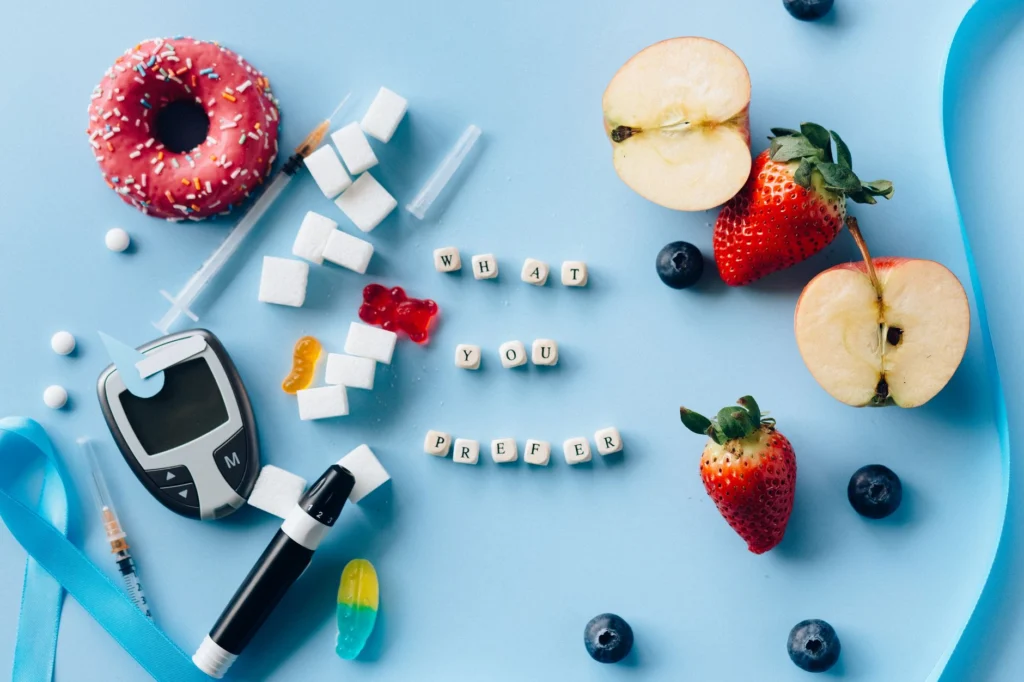
What sugar-free vodka actually means
Plain vodka is distilled from fermented grain, potatoes, or other plants and is usually not sweetened. A bottle labeled sugar-free is often just plain vodka with a marketing claim. Flavored vodkas and ready-to-drink cocktails are different: they can contain sugar, sweeteners, or additives, so the label matters. The bigger issue is not sugar but alcohol, calories, mixers, and how much you drink.
Mistake 1: Treating sugar-free as calorie-free
Alcohol supplies about 7 calories per gram. A standard 1.5-ounce shot of 80-proof vodka has roughly 97 calories, whether or not the label says sugar-free. Those calories come from ethanol. Drinking several shots adds up quickly, and the sugar-free label does not create a calorie discount.
Mistake 2: Assuming it cannot affect blood sugar
Vodka does not contain the sugar that a sugary cocktail does, but alcohol still affects blood sugar regulation. The liver prioritizes metabolizing alcohol over releasing glucose, which can contribute to low blood sugar, especially when drinking on an empty stomach or for people with diabetes. Mixers matter too. Tonic water and fruit juice can carry more sugar than the vodka itself. Soda water, diet tonic, or fresh lime juice are lower-sugar choices.
Mistake 3: Ignoring sweeteners and additives
Some flavored zero-sugar vodkas and canned drinks use artificial sweeteners or other additives to replace sugar. Evidence on sweeteners and health is mixed, but some studies suggest they may affect gut bacteria or sweet cravings. If you want to avoid them, choose plain vodka and flavor it with fresh citrus, herbs, or a splash of unsweetened juice. Read the ingredient list on flavored products rather than relying on the front label.
Mistake 4: Calling it a health drink
Sugar-free vodka is still alcohol. Heavy drinking raises the risk of liver disease, some cancers, immune problems, and mental health issues. It is not a health beverage, and the absence of sugar does not offset alcohol-related risks. If you drink, keep it moderate and separate from claims about wellness.
Mistake 5: Letting the label encourage more drinking
A sugar-free label can create a halo effect: people may feel licensed to drink more because the product sounds healthier. That can increase calories and alcohol intake. Set a limit before you start, pace drinks with water, and eat something beforehand. The label should not change the basic math of alcohol.
How to drink vodka with fewer hidden traps
- Read the label on flavored vodka and canned cocktails. Plain vodka usually has no sugar, but flavored products may.
- Use low-sugar mixers: soda water, diet tonic, fresh lime or lemon, or unsweetened iced tea.
- Measure shots. Free-pouring makes it easy to drink more alcohol and calories than intended.
- Eat before drinking and alternate alcoholic drinks with water.
- Follow moderate drinking guidance. In the U.S., that means up to one drink per day for women and up to two per day for men, and less is better for health.
- Choose non-alcoholic alternatives when you want the ritual without alcohol.
Bottom line
Sugar-free vodka is not a loophole. Plain vodka is already low in sugar, and the calories and risks come mainly from alcohol and what you mix with it. If you drink vodka, treat it as alcohol: measure it, choose low-sugar mixers, and keep consumption moderate.
| Feature | Regular vodka | Vodka labeled sugar-free |
|---|---|---|
| Sugar content | Plain vodka usually has no sugar; flavored versions may | Usually plain vodka or a flavored product made without sugar |
| Calories | About 97 calories per 1.5 oz shot at 80 proof | About 97 calories per 1.5 oz shot at 80 proof; calories come from alcohol |
| Blood sugar | Can indirectly lower blood sugar because of alcohol | Same effect from alcohol; mixers can add sugar |
| Additives | Plain vodka typically has few additives | Flavored zero-sugar products may contain sweeteners or flavorings |
| Health impact | Alcohol-related risks remain | Alcohol-related risks remain; sweetener effects are uncertain |
| Taste | Neutral to slightly sweet depending on brand | May taste sweet or different if sweeteners are added |
FAQ
Is sugar-free vodka better for you?
Not automatically. Plain vodka has no sugar to begin with. The main health concerns are alcohol calories, alcohol-related risks, and sugary mixers. Flavored zero-sugar products may also contain sweeteners.
Can sugar-free vodka help with weight loss?
Only if it fits within your overall calorie intake. A 1.5-ounce shot still has about 97 calories. Drinking more than planned can work against weight loss.
What are good low-sugar mixers for vodka?
Soda water, diet tonic, fresh lime or lemon juice, unsweetened iced tea, and herbal infusions are good options. Avoid regular tonic, soda, and fruit juice if you are watching sugar.
If your company or product is mentioned in this article, you're welcome to share it.


