

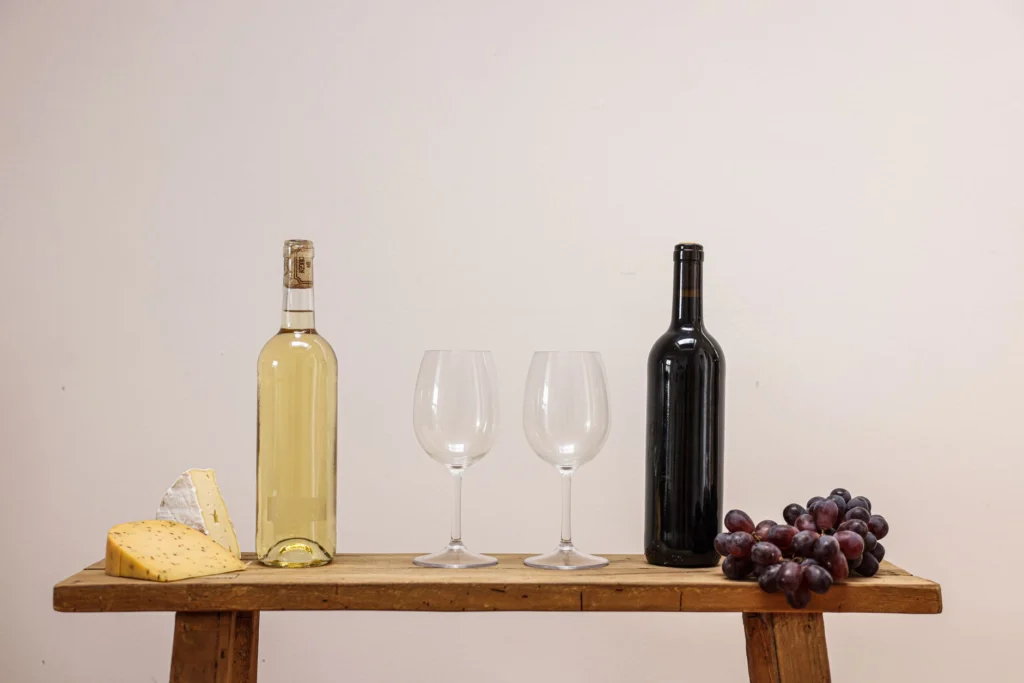
White Wine at BWS: What Matters
White wine covers a wide range of styles, from lean and citrusy to rich and oak-influenced. BWS, the Australian liquor retailer, carries enough of that range that the useful question is not whether it has white wine but which style fits the meal, budget, or occasion. The basics below apply whether you are buying a weeknight bottle or something for a celebration.
What Makes White Wine White
The difference between white and red wine starts with grape variety and winemaking. White wines are usually made from white or green-skinned grapes, though red grapes can be used if the skins are removed immediately after pressing. The juice, which is typically clear, does not ferment in contact with skins, seeds, or stems. Those parts of the grape give red wine its color and tannin. Without that skin contact, white wine stays in the pale straw to deep gold range.
Flavor varies with grape variety, climate, soil, and winemaking choices. When judging a white wine, the main things to notice are acidity, sweetness, body, and aroma.
Key White Wine Grape Varietals at BWS
BWS stocks both widely known white varieties and regional specialties. These are among the most useful names to know.
Sauvignon Blanc
Sauvignon Blanc is known for crisp acidity and a strong aromatic profile. Look for grapefruit, passionfruit, gooseberry, and sometimes cut grass or bell pepper. It works well as an aperitif or with seafood, salads, and goat cheese. Marlborough in New Zealand produces intensely aromatic examples. The Loire Valley in France tends to produce a more mineral-driven style.
Chardonnay
Chardonnay is planted widely and changes dramatically with site and winemaking. Unoaked Chardonnay, such as Chablis from France, often shows bright acidity, green apple, citrus, and minerality. Oaked Chardonnay, especially with malolactic fermentation, can show butter, vanilla, toast, pineapple, and mango. That range makes it useful with roast chicken, creamy pasta, and many other dishes.
Pinot Grigio and Pinot Gris
Italian-style Pinot Grigio is usually light-bodied, dry, and crisp, with pear, green apple, and sometimes almond notes. It suits warm-weather drinking and delicate dishes. Pinot Gris from Alsace is often richer, fuller-bodied, and slightly sweeter, with more stone fruit and floral aromas.
Riesling
Riesling can be bone dry or lusciously sweet, but it usually has high acidity and clear floral and fruit aromas. Common notes include lime, green apple, apricot, and honey. Good Riesling can age, and older bottles may develop petrol or kerosene notes. German Riesling covers a range of sweetness levels. Australian Riesling from the Clare and Eden Valleys is often dry, citrusy, and flinty.
Other White Varietals
Beyond those names, BWS often carries other white wines worth trying:
- Semillon: Hunter Valley Semillon is light and citrusy when young, then develops toastier character with age.
- Vermentino: A crisp, aromatic Italian white with citrus, herb, and saline notes.
- Albariño: A Spanish white with vibrant acidity, citrus, stone fruit, and a slight salinity that suits seafood.
- Gewürztraminer: Aromatic, with lychee, rose petal, and ginger notes, often off-dry.
White Wine Styles: Dry, Sweet, Light, Full
Style matters as much as grape variety when choosing a bottle.
Dry White Wines
Dry wines have very little residual sugar. They taste crisp and acidity-driven. Most Sauvignon Blanc, Pinot Grigio, and unoaked Chardonnay fit here. They work with salads, grilled fish, and appetizers.
Off-Dry White Wines
Off-dry wines have a slight sweetness that can balance acidity. Riesling and some Gewürztraminer are often made this way. They pair well with spicy Asian dishes, pork, and poultry.
Sweet White Wines
Sweet wines have noticeable residual sugar, from Sauternes to late-harvest Riesling. Serve them with dessert, blue cheese, or on their own.
Light-Bodied White Wines
Light-bodied whites are usually lower in alcohol and higher in acidity. Pinot Grigio and young Sauvignon Blanc are common examples. They are refreshing and suit delicate seafood or salads.
Full-Bodied White Wines
Full-bodied whites have more alcohol, texture, and often oak or malolactic influence. Oaked Chardonnay is the clearest example. These wines stand up to roast chicken, creamy pasta, and some richer meat dishes.
Choosing a Bottle at BWS
Match the Occasion
For a sunny afternoon, a crisp Sauvignon Blanc or Pinot Grigio is a practical choice. For a dinner party, Chardonnay or a structured Riesling gives more range at the table. For a toast, sparkling wine such as Prosecco or Champagne fits the moment.
Pair by Weight and Intensity
Match light wines with light food and fuller wines with richer dishes. Acidity cuts through fat and cleanses the palate, so it works with fried or fatty food. Sweetness can complement spicy dishes. Experiment, but start with weight and intensity.
Read the Label
Labels usually give the grape variety, region, vintage, and sometimes tasting notes. Those details tell you about style and flavor before you open the bottle.
Ask for Help
BWS staff can recommend bottles based on what you like and what you want to spend. Give them a grape you enjoy, a dish you are cooking, or a price range, and ask for a comparison.
Explore Regions
If you like crisp, zesty wines, look at Marlborough, the Loire Valley, or Rueda. If you prefer richer, more complex whites, look at Burgundy or California for Chardonnay.
Consider Price
BWS sells white wine at many price points. Higher prices can reflect lower yields, more careful winemaking, or a prestigious appellation, but value exists at every level. Lesser-known regions and varieties are often where the best value sits.
The Joy of Discovery
The range of white wine at BWS makes it easy to compare styles without committing to a case. Try a Sauvignon Blanc beside a Pinot Grigio, or an unoaked Chardonnay beside an oaked one. Keep notes on what you like and what you do not. The best bottle is the one you want to drink again.
If your company or product is mentioned in this article, you're welcome to share it.


