

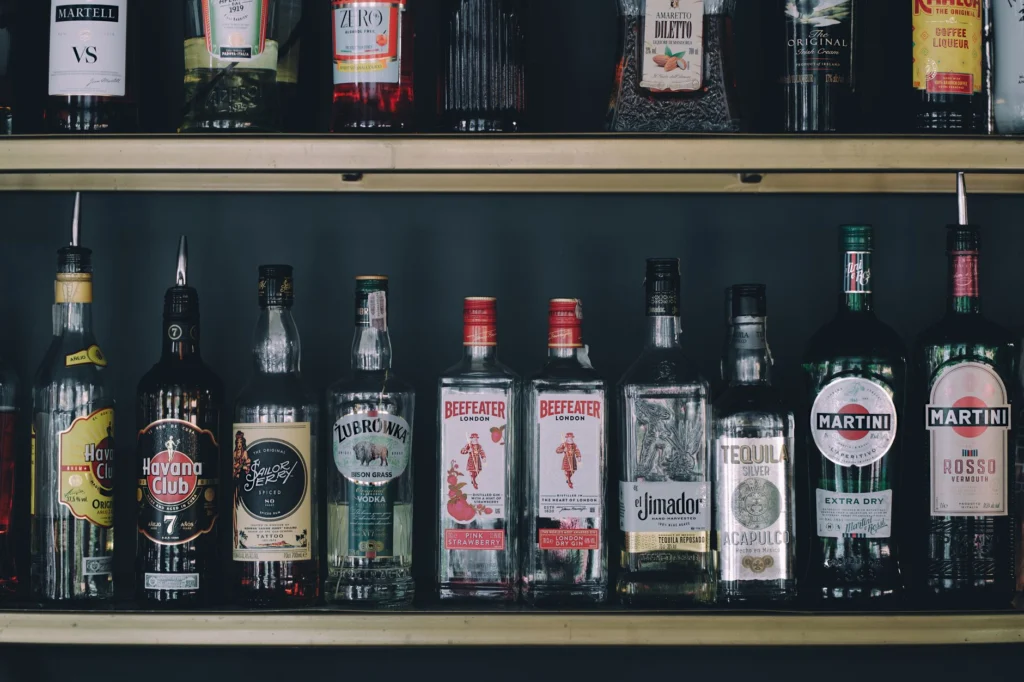
Why cheap vodka deserves a closer look
BWS shelves are built to move you toward a bottle, and the lowest price tag is the easiest place to start. But the cheapest bottle is not automatically the best value. In Australia, value is easier to judge by price per standard drink than by sticker price alone. A 700 mL bottle at 37.5% ABV contains about 21 standard drinks; the same bottle at 40% ABV contains about 22.4. A bottle that costs a few dollars more but pours stronger can work out cheaper per drink, and it may taste cleaner.
1. Treating the lowest price as the best deal
Rock-bottom vodka often cuts costs in ways you can taste: lower-grade base spirit, fewer distillation passes, or minimal filtration. That does not mean every cheap bottle is bad. It means price alone tells you very little. Check the ABV, calculate price per standard drink, and look for specific label information such as the base ingredient, distillation count, and water source. Terms like triple distilled or made with spring water are not guarantees, but they are more useful than a vague premium claim.
2. Ignoring what the vodka is made from
Vodka can be made from wheat, rye, corn, potatoes, grapes, or other materials. The base matters because it affects texture and flavour. Wheat vodkas are often soft and slightly sweet; rye can bring pepper and spice; potato vodkas tend to be creamier. Even budget bottles usually state the base ingredient somewhere on the label or brand site. If a producer hides basic production details, assume less transparency, not more.
3. Buying the label instead of the liquid
Flashy bottles, celebrity names, and words like ultra-premium are marketing, not evidence. A plain bottle that lists its base grain, distillation process, and filtration method is often a safer bet than a glossy bottle with no production information. If you cannot find any details, look up the brand before you buy. A two-minute search is cheaper than a bottle you dislike.
4. Assuming filtration is optional
Filtration removes some congeners and impurities and can soften a harsh spirit. Charcoal filtration is common, but it is not the only method. Some producers filter through activated carbon, others use membrane filtration, and some argue heavy filtration strips character. For cheap vodka, at least some filtration is usually a good sign. If filtration is not mentioned, do not treat that as proof of poor quality, but do treat it as one less reason to pay more.
5. Thinking a strong mixer hides everything
A mixer can mask rough edges, but it cannot turn harsh spirit into smooth spirit. If you are making vodka sodas or mixing with juice, choose a mid-priced bottle with a clean finish rather than the absolute cheapest option. The difference is most obvious in simple drinks where vodka is the main spirit. In a heavily flavoured cocktail, the gap narrows, but a bad base can still leave a bitter or solvent-like edge.
6. Skipping reviews from people who actually drank it
Reviews are useful when you read for patterns, not stars. Look for repeated comments about harshness, aftertaste, or headaches across multiple sources. One negative review may be personal preference; five reviews mentioning a chemical finish are a warning. Retailer ratings can help, but check forums or drinks sites where people describe the flavour rather than just score it.
7. Buying bulk before you have tasted it
A 1 litre bottle is only a bargain if you finish it. If you have not tried the vodka, start with a 700 mL bottle or a smaller format where available. Once you know you like it, bulk buying makes sense. This is especially true for budget brands, where batch consistency can vary more than with established premium lines.
8. Forgetting that cheap vodka can cost you tomorrow
Cheaper spirits can contain more impurities, and those impurities may contribute to a rougher morning. Vodka is not hangover-proof, and alcohol itself is the main cause. Still, a cleaner-distilled, properly filtered vodka is less likely to leave you with a harsh headache. Drink water, pace yourself, and do not use price as an excuse to drink more.
Quick buying checklist
| Check | Better sign | Warning sign |
|---|---|---|
| Price | Affordable, with a sensible price per standard drink | Lowest sticker price with no ABV comparison |
| Base ingredient | Clear grain, potato, or grape source | No ingredient information |
| Production | Distillation and filtration details available | Only vague premium language |
| Reviews | Consistent notes on clean finish | Repeated complaints about harshness |
| Size | Small bottle first, bulk later | Large bottle you have never tasted |
Bottom line
Buying cheap vodka at BWS is not a mistake by itself. The mistake is letting the lowest price decide for you. Compare ABV and price per standard drink, look for basic production details, read patterns in reviews, and try a smaller bottle before committing to a large one. You do not need top-shelf vodka for every drink, but you should know what you are buying.
FAQ
How can I judge vodka without tasting it?
Check the ABV, base ingredient, distillation details, filtration method, and reviews that describe flavour. No label guarantees quality, but clear information is better than marketing slogans.
Does the grain used for vodka matter?
Yes. Wheat tends to be soft, rye can be spicy, and potato can be creamy. The differences are subtle in a mixed drink but clearer in a neat or simple serve.
Is the most expensive vodka always better?
No. Price often reflects marketing, packaging, and brand positioning as much as production cost. Plenty of affordable vodkas are clean and mix well. Use the checklist rather than assuming price equals quality.
If your company or product is mentioned in this article, you're welcome to share it.


