

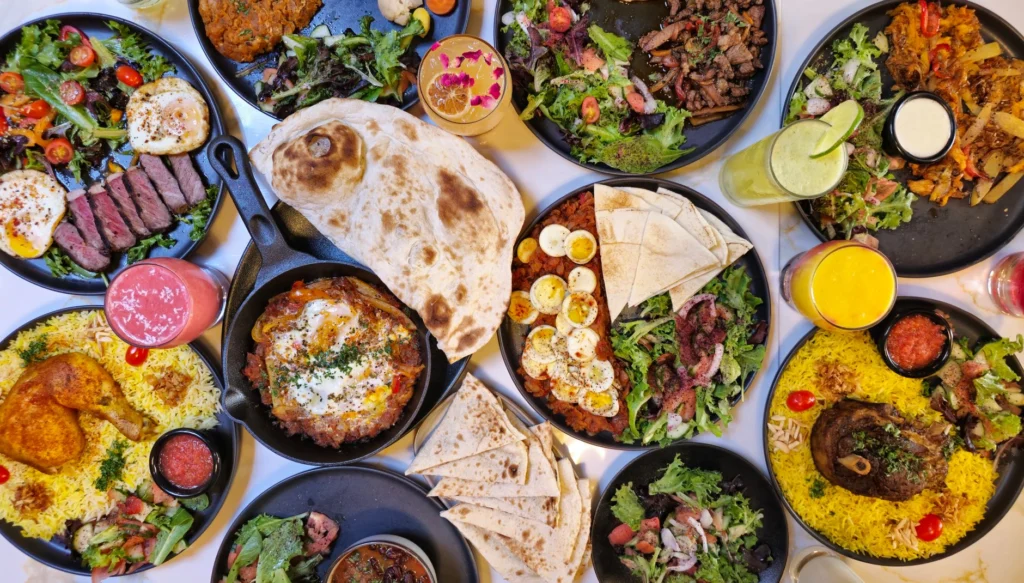
What Halal Requires at a Meat-and-Wine Restaurant
Halal is not a single menu label. For meat, it means the animal is permitted, slaughtered by a Muslim who invokes Allah, with a swift cut that severs the jugular vein, carotid artery and trachea, and with blood fully drained. Pork is prohibited. The meat must also be stored and prepared without contact with non-Halal meat, blood, or prohibited substances. At a restaurant whose identity is built around steak and wine, those requirements affect both the kitchen and the beverage list.
The practical mistake is to assume that a meat-and-wine restaurant has nothing to offer. The better approach is to ask precise questions before booking and to have a fallback order in mind.
Ask Before You Book
Call or email ahead and ask to speak with a manager or chef. Vague questions get vague answers. Ask: Which meats, if any, come from a Halal-certified supplier? Is the Halal meat cooked on separate equipment or cleaned equipment? Are Halal and non-Halal meats stored separately? Are sauces, stocks, marinades and glazes made with alcohol, pork derivatives or non-Halal gelatin? Can the restaurant show certification or supplier documentation? If the answer is no or unclear, do not treat a dish as Halal.
At the table, confirm the same points with your server. A restaurant may have Halal chicken but not Halal beef, or may source Halal meat only for certain dishes. Ask what is available that day rather than relying on a menu symbol.
Build a Halal Order from the Menu
If the restaurant has verified Halal meat, ask for a plain grilled or roasted cut with sauces and butter-based finishes on the side. Sauces are a common weak point: wine reductions, brandy creams, pork stock and gelatin-based demi-glace can all make an otherwise acceptable dish unsuitable. If no Halal meat is available, look at seafood and vegetarian dishes, but check them too. A fish dish may be finished with wine, and a vegetarian dish may contain alcohol-based sauce or non-Halal gelatin.
Simple requests work best: no wine in the pan sauce, no pork stock, no gelatin, and separate utensils where cross-contamination is a risk. If the kitchen cannot guarantee separation, choose a dish that does not require meat.
Non-Alcoholic Pairings That Work
Wine is off the table, but water is not the only option. Sparkling grape juice or dry apple cider can stand in for champagne with starters. De-alcoholized wine can work with steak, though check that it is genuinely alcohol-free and not merely low-alcohol. Artisanal ginger ale, elderflower soda, and unsweetened iced tea can cut through rich meat dishes. A good bartender can make a mocktail with citrus, herbs, and bitters, but ask whether the bitters are alcohol-based. The pairing rule is the same as with wine: match acidity and sweetness to the dish rather than defaulting to the sweetest drink on the list.
Communicating Without Friction
Be direct and specific. Say that you are avoiding pork, alcohol, non-Halal meat, and cross-contamination, and ask what the kitchen can do. Do not ask the server to guess. If the restaurant cannot accommodate you, accept it and order from the seafood or vegetable side of the menu. A useful script is: ‘I do not eat pork or alcohol, and I only eat meat that is Halal-certified. Can you tell me which dishes meet that, and whether the Halal meat is cooked separately?’ That gives the kitchen a clear task.
Pro Versus Amateur at a Glance
| Point | Amateur | Pro |
|---|---|---|
| Before booking | Assumes there is nothing Halal and books anyway. | Calls ahead and asks about suppliers, certification, and separate preparation. |
| Menu choice | Orders the steak and hopes for the best. | Confirms which cuts are Halal or chooses seafood or vegetarian dishes after checking sauces. |
| Sauces | Ignores wine reductions and stocks. | Asks for sauces on the side or confirms they are alcohol-free and pork-free. |
| Drinks | Orders water or a standard soft drink. | Chooses sparkling juice, de-alcoholized wine, iced tea, or a mocktail after checking bitters. |
| Staff questions | Asks ‘Is this Halal?’ and stops there. | Asks about slaughter, certification, cross-contamination, gelatin, and alcohol in sauces. |
FAQ
What if a restaurant says the meat is Halal but cannot show certification?
Treat it as unverified. Ask for supplier documentation or choose another dish. A verbal claim is not enough if you need certainty.
Are vegetarian dishes automatically Halal?
No. Check for alcohol in sauces, non-Halal gelatin, and cross-contamination with meat. A vegetarian dish can still fail Halal requirements.
How do I find Halal-certified restaurants?
Look for certification from a recognised Halal certification body, check the certifier’s directory, and confirm with the restaurant that the certification covers the dishes you plan to order. Certification can apply to the premises, the supplier, or only specific menu items.
Conclusion
A meat-and-wine restaurant can work for Halal diners, but not by assumption. It works by asking specific questions before booking, verifying meat and sauces, choosing non-alcoholic pairings with care, and being willing to order seafood or vegetables when the kitchen cannot guarantee Halal preparation. That is the difference between hoping a meal is compliant and knowing what you are ordering.
If your company or product is mentioned in this article, you're welcome to share it.


