

Maude Wine: A Modern Approach to Oenology
Maude Wines is a boutique winery in Central Otago, New Zealand, founded by Sarah-Kate and Dan Dineen. The project is named after Sarah-Kate’s grandmother Maude, and it has become known for a focused range of Central Otago wines, particularly Pinot Noir, Riesling, Chardonnay, Pinot Gris, and Sauvignon Blanc. Its reputation rests less on scale than on careful vineyard work, small-lot winemaking, and a clear sense of place.
Philosophy: Quality, Authenticity, Experimentation
Maude’s approach is hands-on. Dan Dineen manages vineyards; Sarah-Kate Dineen makes the wines. That division matters in Central Otago, where cool nights, strong sunlight, and varied soils can produce Pinot Noir with aromatic lift, red fruit, and firm structure. The winery’s style tends toward restraint: fruit is allowed to speak, oak is used as a frame rather than a mask, and aromatic varieties are picked to preserve acidity and clarity.
Portfolio and Terroir
Maude’s portfolio is built around Central Otago’s strengths. Pinot Noir is the anchor, sourced from sites with schist, gravel, and loess soils that drain freely and stress vines just enough to concentrate flavor. Riesling and Pinot Gris show the region’s aromatic side, while Chardonnay and Sauvignon Blanc round out a range that is meant to be drunk, not just cellared. The wines are typically fermented in small batches, with wild yeasts used where appropriate and aging in French oak for selected lots.
Terroir in Central Otago
Central Otago is the world’s southernmost commercial wine region. Its continental climate brings hot days and cool nights, a diurnal swing that helps retain acidity. The region’s soils are varied, from schist and gravel to loess and clay. Maude’s vineyard work focuses on matching variety and rootstock to site, managing canopy and yield, and picking at the point where sugar, acid, and phenolic ripeness align. That is the practical meaning of terroir here: not a marketing slogan, but a set of decisions in the vineyard.
Winemaking Technique
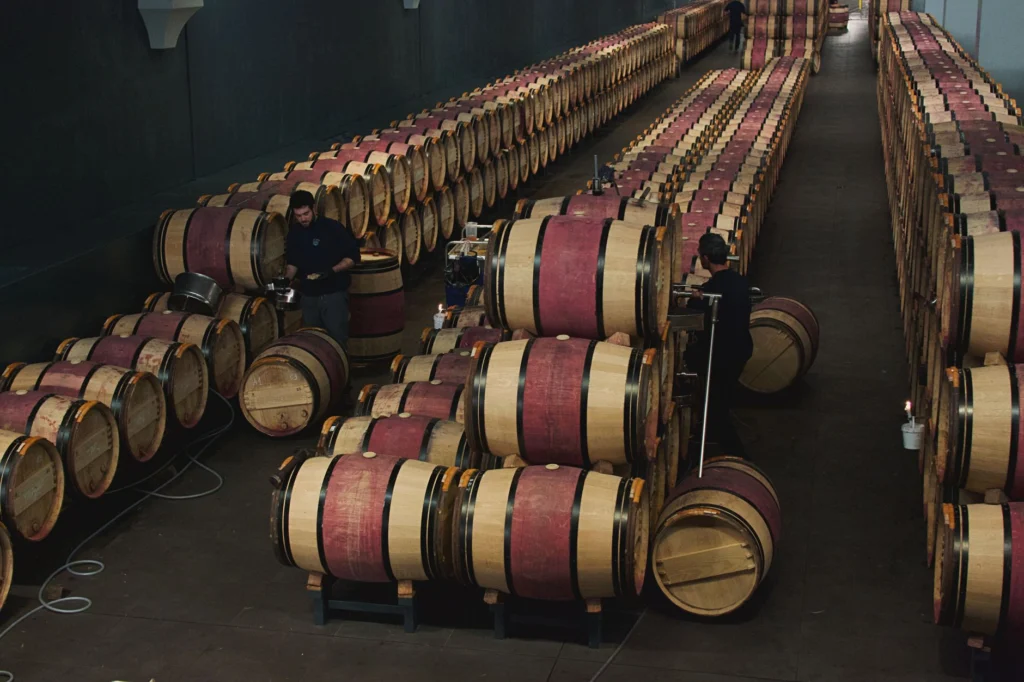
In the winery, Maude’s methods are traditional in outline and modern in precision. Pinot Noir is typically destemmed or partly whole-bunch fermented, depending on the vintage, then aged in French oak. Whites are pressed gently and fermented cool to protect aroma. The aim is not to invent a new style but to make wines that taste like Central Otago: bright, textured, and balanced. The focus remains on gentle extraction and controlled fermentation.
Maude Wine and the Broader Beverage Industry
Maude’s position reflects a wider shift in wine: consumers want provenance, not just polish. A small Central Otago producer can compete by being specific. The label tells you where the fruit comes from, who made it, and what style to expect. That transparency matters in a market crowded with brands that sound artisanal but reveal little. Maude’s model also shows how a winery can stay small and still build a following through direct sales, restaurant placements, and export markets.
Oenological Exploration and Sensory Experience
Oenology is the science of wine, but the best winemaking uses science in service of sensory experience. At Maude, that means tracking fermentation kinetics, measuring acidity and pH, and watching phenolic development, then making sensory calls that no lab result can settle. The result should be a wine with aroma, texture, and length. For drinkers, the exploration is simpler: taste across varieties and vintages, compare sites, and notice how Central Otago’s cool climate shows up in the glass.
The Future of Maude Wine
Maude’s future will likely depend on the same things that built its reputation: careful farming, small-lot winemaking, and a clear regional identity. Central Otago is not a large region, and climate variability is a real pressure. Producers who know their sites and adapt in the vineyard will be best placed to keep making wines with precision. For Maude, the next chapter is less about reinvention than about deepening what is already there: Pinot Noir with structure, aromatics with energy, and a portfolio that remains recognizably Central Otago.
If your company or product is mentioned in this article, you're welcome to share it.


