Why Margaret River Reds Matter
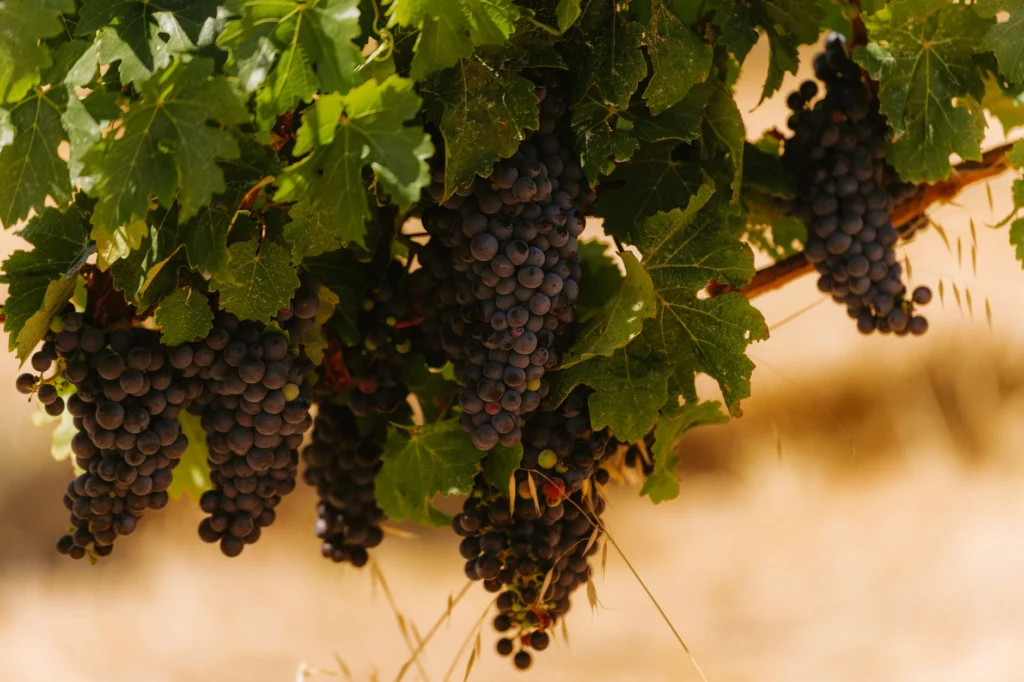
Margaret River sits in the southwest corner of Western Australia, bounded by the Indian and Southern Oceans. The region’s maritime climate, with wet winters and warm, dry summers moderated by sea breezes, gives red grapes a long ripening window. That combination of climate and ancient, well-drained soils is the foundation of its reputation for Cabernet Sauvignon and Shiraz, with smaller plantings of Merlot, Malbec and Petit Verdot.
Cabernet Sauvignon: Structure and Finesse
Cabernet Sauvignon is the region’s benchmark red. Margaret River versions are often described as claret-like: medium to full bodied, with firm but fine-grained tannins, fresh acidity and a fruit profile that stays focused rather than overripe. The sea breezes help retain acidity while the gravelly loams encourage deep roots and balanced vines.
What to expect in the glass
- Aromas: Blackcurrant, dark cherry and plum, often with mint, eucalyptus, cedar and a subtle herbal note.
- Palate: Concentrated dark fruit, savory undertones, graphite-like minerality and tannins that support aging.
- Oak: French barriques are common, adding spice, toast and vanilla without burying the fruit.
- Ageability: The best examples can develop in bottle for decades, gaining suppleness and complexity.
Vineyard work matters here. Producers manage canopies carefully, pick at ripeness that preserves freshness and match specific blocks to the style they want. The result is a Cabernet that can be powerful but remains elegant.
Shiraz: Cooler-Climate Elegance
Margaret River Shiraz is often more restrained than Shiraz from warmer Australian regions. Maritime conditions help keep acidity intact and prevent the fruit from turning jammy. Styles vary by site and winemaking, but the best examples balance juicy fruit with pepper and savory detail.
Typical Shiraz traits
- Aromas: Blackberry, plum and raspberry, with violet, black pepper and sometimes a smoky or savory edge.
- Palate: Medium bodied, juicy and fresh, with smooth tannins and a balance of fruit and spice.
- Style range: From approachable and fruit-forward to more structured wines built for the cellar.
Oak is used carefully. Many winemakers want the grape’s pepper and spice to lead, so they avoid heavy oak that would obscure the site.
Other Red Varietals
Cabernet and Shiraz dominate, but Margaret River’s microclimates support other reds, often in blends.
Merlot
Merlot adds plush texture, ripe plum and cherry, and softer tannins. It works as a standalone wine and as a blending component in Bordeaux-style reds.
Malbec
Malbec brings dark fruit, floral notes and a medium body with smooth tannins. Plantings are smaller, but the wines show the varietal’s approachable side.
Petit Verdot
Petit Verdot is usually a blending grape. It contributes deep color, firm tannins and spicy notes, which can extend a wine’s aging potential.
Terroir: Climate, Soil and Topography
- Climate: Maritime, with mild wet winters and warm dry summers. Ocean influence prevents extreme heat and allows slow, even ripening.
- Soils: Ancient weathered granite and lateritic gravelly loams. They drain well, are low in organic matter and encourage deep root systems.
- Topography: Rolling hills and coastal plains provide varied aspects and elevations, letting growers match varieties to sites.
- Viticulture: Sustainable and organic practices are increasingly common, including careful canopy management, precise irrigation and minimal intervention in the vineyard.
These factors explain why Margaret River reds can be both ripe and fresh. The region’s best wines taste like a specific place rather than a generic expression of the variety.
Food Pairings
Cabernet Sauvignon
- Grilled or roasted lamb, beef ribeye or sirloin, hearty stews and game meats.
- Aged cheddar, Gruyère and firm mature cheeses.
- Mushroom risotto, lentil shepherd’s pie or roasted root vegetables.
Shiraz
- Barbecued meats, spicy sausages and dishes with chili or black pepper.
- Braised short ribs, slow-cooked pork belly and earthy mushroom dishes.
- Blue cheese, aged Gouda and strong mature cheeses.
The Future of Margaret River Red Wine
Margaret River continues to attract investment and attention for premium reds. Research into subregional differences and new vineyard sites is adding nuance to the picture, while a focus on sustainability aims to protect the region’s environment and long-term quality. For wine lovers, the appeal is simple: Cabernet Sauvignon and Shiraz with structure, freshness and a clear sense of place.
Margaret River red wine remains a high point of Australian winemaking. Its best Cabernets and Shirazes combine elegance, complexity and age-worthiness, shaped by maritime climate, ancient soils and careful vineyard work.
If your company or product is mentioned in this article, you're welcome to share it.