

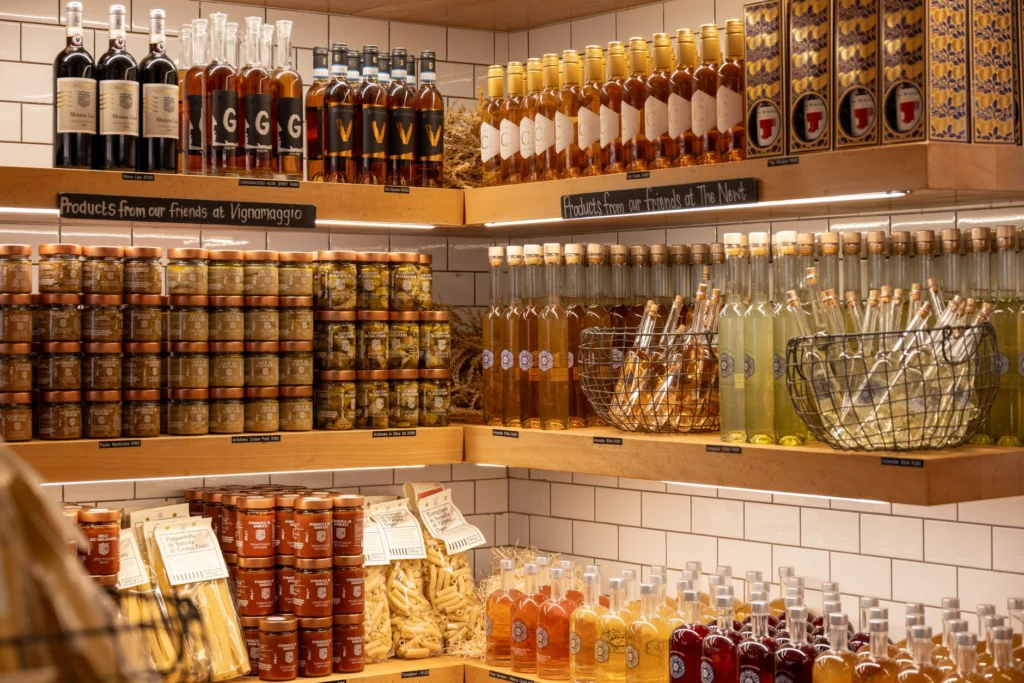
What the Lara Food and Wine Festival actually is
The Lara Food and Wine Festival is a regional food and wine event built around local producers, tastings, and live entertainment. The useful way to approach it is not as a wine-snob convention or a boozy free-for-all, but as a day where food and drink are presented together. The myths tend to come from people who have only seen festival marketing or have been to events with a narrower focus.
Myth: it is only for wine experts
Reality: festival wine programs usually mix serious tastings with easy-drinking styles. If you know little about wine, you can still sample, ask questions, and choose what you like. Many events also include non-wine options, but check the vendor list before you go rather than assuming. The point is to try things, not to pass an exam.
Myth: it is only about alcohol
Reality: food is not a side note. Expect stalls and producers selling meals, snacks, desserts, and take-home products. Dietary options vary by vendor, so check ahead if you need vegetarian, vegan, or gluten-free food. Wine may be central, but the event works because the food is part of the draw.
Myth: it is too expensive
Reality: costs depend on entry, tasting fees, and how you eat. Sample sizes and shared plates can keep spending down. Set a budget before you arrive, check whether tickets include tastings or drink tokens, and carry a card plus some cash for smaller vendors. Early-bird or group tickets are worth checking if they are offered.
Myth: the vendors are stuffy
Reality: regional festivals usually attract producers who want to talk about what they make. Ask direct questions about the wine, the produce, or how a dish was made. That conversation is often more useful than a printed tasting note.
Myth: it is not family-friendly
Reality: some food and wine festivals are family-friendly and some are not. Check the published program for children’s activities, whether minors are allowed, and whether there is space to sit down. Do not assume a kids’ zone exists just because the event is outdoors.
Myth: it is always overcrowded
Reality: crowd levels depend on the day, weather, and programming. Arrive early or later in the afternoon if you want more room. Look at the site map before you go and identify seating, water stations, and exits. If the event publishes capacity limits or timed entry, use them.
What to check before you go
- Vendor list: confirm the food, wine, and non-alcoholic options you actually want.
- Ticket terms: check entry, tasting tokens, refund policy, and weather policy.
- Transport: decide on a designated driver, public transport, or a booked ride before drinking.
- Comfort: wear shoes for walking and standing, and bring a water bottle if allowed.
- Budget: set a spending limit and keep cash for small purchases.
The Lara Food and Wine Festival is best approached with a simple plan: check the program, choose a few tastings, eat something substantial, and leave room to talk to the people making the food and wine. That is a more reliable guide than the old myths.
If your company or product is mentioned in this article, you're welcome to share it.


