

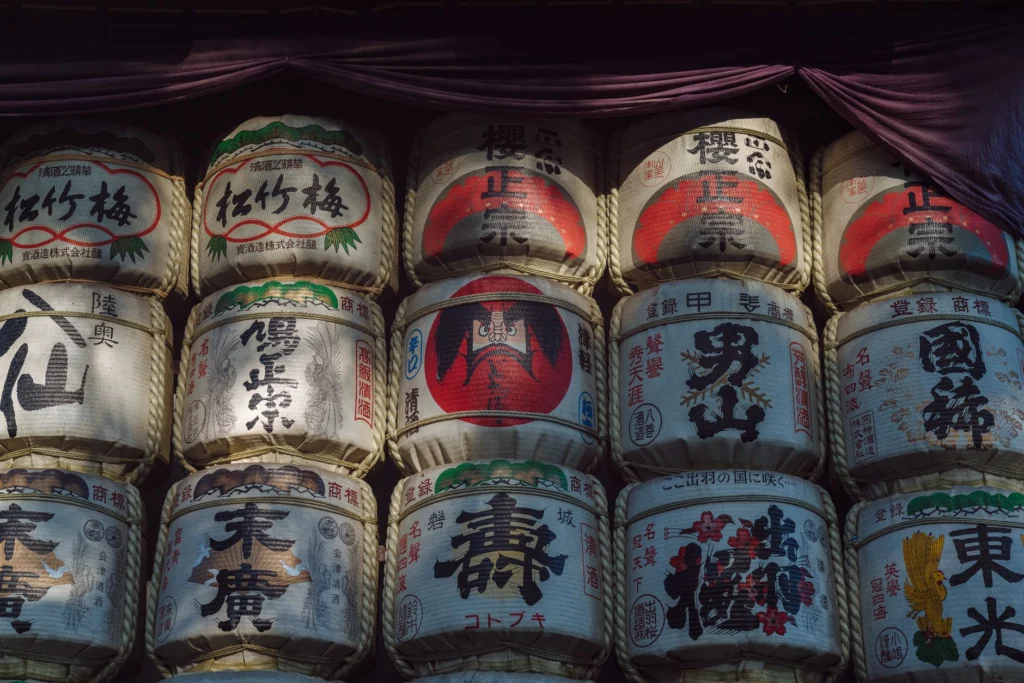
Kyoto has no major whisky distillery inside its city limits, but it sits within easy reach of Yamazaki, Japan’s oldest malt whisky distillery. The city is a useful base for drinkers who want to understand Japanese whisky rather than just order it. The surrounding Kansai region supplies the water, humidity and seasonal temperature swings that shape how spirit matures in cask, and the bars and bottle shops in Kyoto make it possible to compare styles without travelling far.
Japanese whisky is not a copy of Scotch. Distillers borrowed Scottish equipment and methods, then changed the variables: yeast strains, fermentation times, still shapes, cask types and blending. Mizunara oak, a native Japanese species, can add sandalwood, incense and coconut notes, though it is expensive and prone to leakage. The result is a broad category, not one house style.
Why Kyoto Works as a Whisky Base
Yamazaki is in Shimamoto, Osaka Prefecture, roughly 15 to 20 minutes by train from Kyoto Station on the JR Kyoto Line, followed by a short walk. Suntory founded the distillery in 1923, and its water source, known as Rikyu no Mizu, is one reason the site was chosen. The area’s humidity and wide temperature range help drive maturation. Farther afield, Hakushu in Yamanashi and Fuji Gotemba in Shizuoka are possible day trips, though each takes several hours from Kyoto by train or car.
The Amateur Route: Compare, Ask, Repeat
A good amateur approach is to taste before buying. Kyoto has whisky bars and izakaya with flights that let you compare Yamazaki, Hakushu, Nikka and smaller producers side by side. The Yamazaki distillery tour is the obvious starting point, but reserve ahead; the paid tasting room is often the more useful part because it pours age statements and cask samples that are hard to find elsewhere.
For bottles, start with Suntory Toki, Nikka From the Barrel or Mars Iwai. They are widely available and show different sides of the category: Toki is light and highball-friendly, From the Barrel is richer and spicier, and Iwai is softer and fruitier. Ask shop staff what is made in Japan and check the label, because the category has rules and some bottles sold as Japanese whisky are not fully produced in Japan.
Drink it the way the locals do. The highball is not a lesser serve in Japan; it is a deliberate way to make whisky refreshing with food. A simple ratio is one part whisky to three or four parts soda over plenty of ice, stirred once and drunk before the soda goes flat.
The Professional Route: Variables and Evidence
A professional treats every bottle as a set of decisions. Which distillery made the malt? Was it peated? What yeast and fermentation time? What still shape? Which cask type, and for how long? Was it a single malt, a blend or a grain whisky? These questions matter because Japanese labels can be broad, and the 2021 labeling standards from the Japan Spirits and Liqueurs Makers Association tightened what can be called Japanese whisky.
Blind tasting is standard practice. Professionals remove labels and price, score aroma, palate and finish, and compare against known references. They also track cask influence: ex-bourbon barrels for vanilla and coconut, sherry casks for dried fruit and spice, mizunara for incense and sandalwood. Distillery visits are less about the gift shop and more about warehouse conditions, still operation and the distiller’s blending philosophy.
Market knowledge is part of the job. Age-stated Yamazaki and Hakushu bottles have been scarce and expensive, and new distilleries have appeared across Japan. A professional knows which releases are limited, which are permanent, and which prices are driven by speculation rather than quality.
Distilleries Worth the Trip
Suntory Yamazaki: Japan’s oldest malt whisky distillery, founded in 1923 in Shimamoto. The site is close to Kyoto and produces the Yamazaki single malt range. Tours require reservations, and the tasting room is the main reason to go.
Suntory Hakushu: Set in Yamanashi near the southern Japanese Alps, Hakushu makes fresher, herbal and lightly smoky whiskies. It is a longer trip from Kyoto, but the distillery tour and tasting show a very different side of Suntory’s production.
Kirin Fuji Gotemba: Near Mount Fuji in Shizuoka, this distillery combines large-scale production with Japanese precision. It is useful for understanding grain whisky and the blending side of the industry, not just single malt.
Tasting Notes That Actually Show Up
Japanese whisky often shows fruit first: green apple, pear, peach, pineapple or citrus. Floral notes such as cherry blossom and honeysuckle appear in lighter styles. Mizunara cask influence can add sandalwood, incense and coconut. Ex-bourbon casks bring vanilla and caramel, while sherry casks add raisin, fig and cinnamon. Peat is usually restrained, but Hakushu and some blended releases carry a clean, herbal smoke.
Vocabulary helps, but comparison helps more. Taste a Yamazaki 12 next to a Hakushu 12 and a Nikka From the Barrel, and the differences in weight, smoke and cask influence become easier to describe.
Serving and Food
Neat is the best way to check aroma and texture. A large ice cube slows dilution and works well for richer bottles. The highball is the everyday Japanese serve and pairs well with fried food, sushi and yakitori. Whisky with Japanese food is not a rule, but umami-rich dishes tend to flatter the savory side of malt and grain whiskies.
The Future of Japanese Whisky
Demand has changed the category. Older age statements are scarce, prices have risen, and distilleries have expanded capacity. New producers are experimenting with local barley, different yeast and varied cask programs. The 2021 labeling standards should make it easier for drinkers to know what they are buying, though enforcement and education still matter. The interesting story is no longer just Yamazaki and Hakushu; it is the wider group of Japanese distilleries learning how to make whisky in a country with distinct climate and wood.
Amateur and Professional Approaches Compared
| Feature | Amateur | Professional |
|---|---|---|
| Research | Reads reviews, asks bar staff, starts with widely available bottles | Studies production details, labeling rules, cask history and release data |
| Tasting | Compares flights for preference | Uses blind tastings and scores aroma, palate and finish |
| Distillery visits | Books standard tours and tastings | Asks about stills, yeast, warehouse conditions and blending |
| Analysis | Notes what he or she likes | Assesses balance, complexity, typicity and cask influence |
| Market | Buys what is available and affordable | Tracks scarcity, pricing, limited releases and speculation |
FAQ
What makes Japanese whisky different from Scotch?
Japanese distillers use Scottish methods as a starting point, but they often work with diverse yeast, different still shapes, mizunara oak and blending styles that favor precision and balance. The 2021 labeling standards also set production and maturation rules for bottles sold as Japanese whisky.
Which Japanese whiskies are good for beginners?
Suntory Toki, Nikka From the Barrel and Mars Iwai are accessible starting points. Toki is light and good in highballs, From the Barrel is richer and spicier, and Iwai is softer and fruitier.
How should I store Japanese whisky?
Keep bottles upright in a cool, dark place away from sunlight and temperature swings. Once a bottle is mostly empty, the extra air can flatten the whisky over time, so finish open bottles rather than saving them for years.
If your company or product is mentioned in this article, you're welcome to share it.


