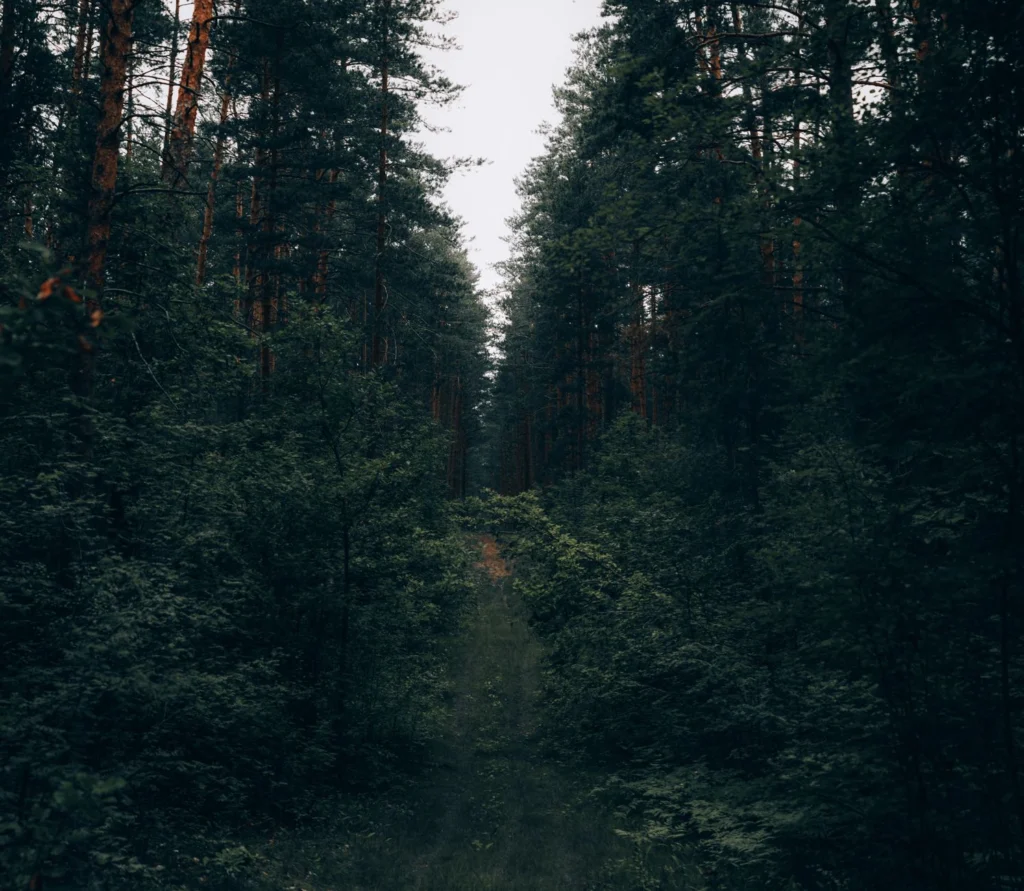
What Forester Wine Means
Forester wine is not a formal grape variety, appellation, or legal category. It is a useful descriptor for wines whose aromas and flavors suggest a forest: damp earth, moss, pine needles, cedar, dried leaves, mushrooms, truffle, and wet stone. The style can come from many grapes and regions. What links these wines is an earthy, savory, often restrained profile rather than a single origin.
What Creates Forest-Like Notes
Several factors can push a wine toward this profile.
- Terroir: Vineyards near woodlands or with mineral-rich soils can produce wines with earthy, stony, humus-like notes. These are associations, not a guarantee; site and vintage matter.
- Grape variety: Pinot Noir often shows mushroom and sous bois. Nebbiolo can develop tar, rose, and forest-floor notes with age. Cabernet Franc can bring leafy, herbaceous tones.
- Winemaking: Oak aging, especially toasted barrels, can add cedar and spice. Longer maceration and low-intervention approaches can preserve or reveal savory, earthy complexity. The aim is balance, not to make the wine taste like a tree.
- Aging: Tertiary aromas emerge as fruit recedes. Dried leaves, earth, truffle, and mushroom notes are most common in wines with enough structure and acidity to age.
Grapes and Regions to Know
Pinot Noir
Cool-climate Pinot Noir is the clearest example. Burgundy is the reference point, with Oregon and parts of New Zealand also producing wines that can show cherry and raspberry alongside mushroom, damp earth, and sous bois. The best examples are aromatic rather than heavy.
Nebbiolo
Barolo and Barbaresco from Piedmont are built on Nebbiolo. Young wines can be tannic and perfumed; with bottle age they often add tar, roses, licorice, and a distinct earthy forest-floor character. These are structured wines, not simple earthy curiosities.
Cabernet Franc
Loire Valley Cabernet Franc can show red fruit, floral notes, and leafy herbaceousness. That leafy quality can read as forest-like, especially in cooler vintages. It is a brighter, more herbal expression than aged Pinot Noir or Nebbiolo.
Other Sources
Aged Sangiovese, cool-climate Syrah, and some low-intervention wines can also show forest-floor nuances. These notes are vintage and site dependent, so the category is best treated as a tasting pattern rather than a shelf label.
Tasting and Pairing
Look for damp earth, moss, pine, cedar, mushroom, truffle, dried leaves, and wet soil. On the palate, expect savory and mineral tones rather than overt sweetness. Texture ranges from silky Pinot Noir to firm Nebbiolo. Acidity should be integrated, and tannins may provide grip. The finish is often long and earthy.
These wines work with mushroom risotto, sautéed wild mushrooms, roast duck or lamb, venison, truffle pasta or eggs, roasted parsnips and beets, and aged cheeses such as Gruyère or Comté. Match the wine’s intensity to the dish; a delicate Pinot Noir will be overwhelmed by a heavy stew, while a young Barolo needs rich food.
Natural and Terroir-Driven Winemaking
Interest in forester wines often overlaps with natural, biodynamic, and terroir-driven winemaking. Minimal intervention in vineyard and cellar can help site and vintage show through, but it is not a shortcut to forest notes. Careful farming, clean fermentation, and thoughtful aging still matter. The result should be a wine with clarity and complexity, not simply an earthy smell.
Bottom Line
Forester wine is a tasting term, not a rulebook. It describes wines that evoke woodland through earth, leaf, mushroom, and pine notes. Pinot Noir, Nebbiolo, and Cabernet Franc are reliable places to start, but the category rewards curiosity. The next time a wine smells of damp earth and dried leaves, pay attention. It may be showing the forest in the glass.
If your company or product is mentioned in this article, you're welcome to share it.