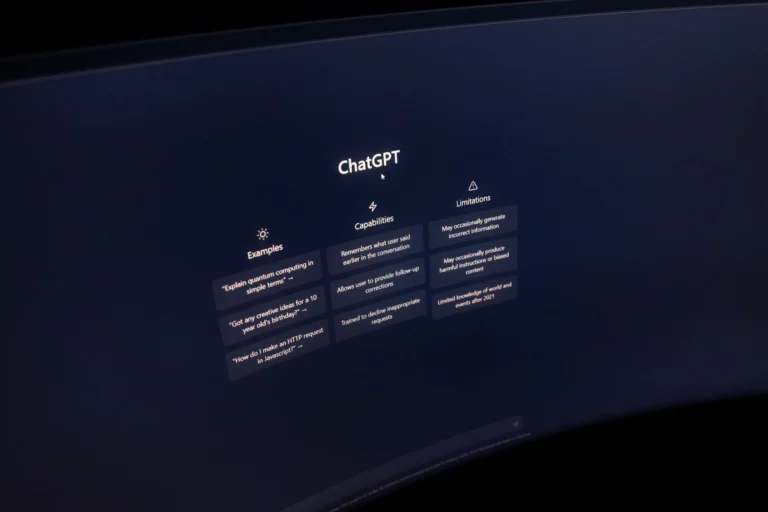
Prompt engineering, carefully crafting the instructions you send to an AI model, solves the vast majority of app-building problems and should almost always be tried first. Fine-tuning, retraining a model on your own data, is more powerful but requires real data, time, and cost that most apps never actually need.
What prompt engineering can actually accomplish
Good prompt engineering means giving the model clear instructions, relevant examples, and the right context at request time. This can shape tone, format, accuracy, and behavior significantly, and it costs nothing beyond the API call itself, with changes taking effect instantly since there’s no retraining involved. For most apps, a well-designed prompt, sometimes combined with retrieval of relevant documents, gets you most of the way to what you need.
What fine-tuning actually requires
Fine-tuning means training a model further on a specific dataset of examples so it internalizes a pattern, style, or specialized knowledge more deeply than a prompt alone can achieve. This requires curating a genuinely good training dataset, real compute cost and time to run the training, and ongoing maintenance if you need to update the model later. It’s a meaningfully bigger commitment than adjusting a prompt.
When fine-tuning actually makes sense
Fine-tuning becomes worthwhile when you need extremely consistent behavior across thousands of similar requests that prompting alone can’t reliably achieve, or when you need the model to deeply learn a specialized domain, tone, or format that’s difficult to fully specify through instructions and examples in a prompt. For the large majority of apps still finding product-market fit, that bar isn’t met, and prompting remains the more practical path.
Frequently asked questions
Should you start with fine-tuning or prompt engineering?
Prompt engineering almost always comes first, since it’s faster, cheaper, and solves most problems without needing training data.
Does fine-tuning require a large amount of data?
It requires a genuinely good, relevant dataset, though the exact amount needed varies by use case and provider.
Can you combine prompting and fine-tuning?
Yes, many production apps use a fine-tuned model along with carefully engineered prompts on top of it for further control.
For more on deploying AI apps, see Talmyn’s AI Tutorials desk.