Where to Buy Little Ripples Wine
Little Ripples Wine produces small-batch, terroir-driven wines with a hands-on approach in the vineyard and cellar. The brand’s focus on quality over quantity and sustainable, ethical sourcing appeals to drinkers who want a wine with a clear origin story. If you already know the wine or want to try it, the practical question is where to find it. Stockists vary by region, so the most reliable approach is to check the winery’s own listings first, then work outward to retailers, restaurants, and distributors.
Start With the Winery’s Stockist List
The official Little Ripples Wine website should be your first stop. Look for a ‘Find Us,’ ‘Stockists,’ or ‘Where to Buy’ section. These pages are usually maintained by the winery and tend to be more current than third-party lists. They may name retailers, regional distributors, or direct-to-consumer options where available. If the site does not list a stockist near you, use the contact form to ask for the nearest retailer or online shop. Stockist lists change as distribution agreements shift, so check back if you are searching for a specific vintage or varietal.
Online Wine Retailers
Specialist online wine retailers often carry smaller producers that do not appear in supermarkets. Search by the full brand name, ‘Little Ripples Wine,’ and add the varietal or vintage if you know it. Retailers with strong search filters let you narrow by region, wine style, and price. Before ordering, confirm that the shop ships to your state or country, since alcohol delivery rules vary widely. If a retailer does not list the wine, ask whether they can order it through their distributor.
Independent Wine Shops
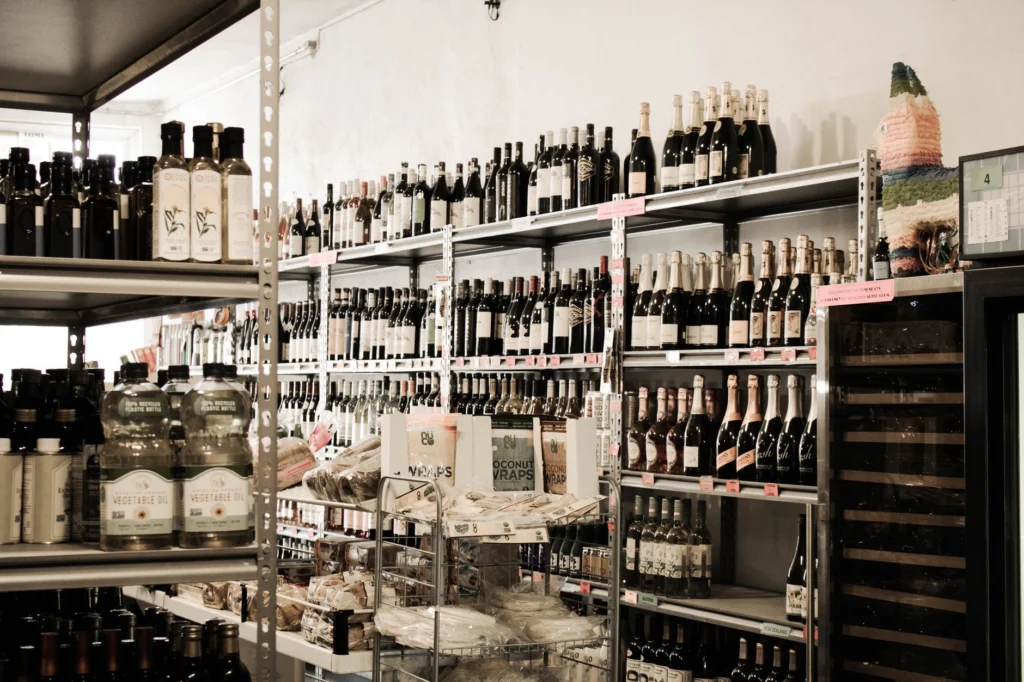
Independent wine shops are a strong option for finding small-production wines. Their buyers often focus on producers with distinct terroir and limited output, which fits Little Ripples Wine’s profile. Staff at a good shop can tell you whether they carry the brand, whether it is available through their wholesaler, and whether they can special order a bottle or case. Bring the exact name and any vintage details you have. A shop that cannot stock it may still know which local competitor does.
Restaurants and Wine Bars
Restaurants and wine bars that build lists around smaller producers may carry Little Ripples Wine by the glass or bottle. If you see it on a menu, ask the server or sommelier where the wine was purchased and whether local retail stock exists. Restaurant buyers work closely with distributors, so they can often point you toward a retailer in the same market. This is also a low-risk way to try a bottle before buying a full case.
How Distribution Works
Most wine brands reach shops and restaurants through regional distributors. Little Ripples Wine may be available in one market and not another because a distributor has not picked it up or because the winery has limited production. That makes regional checking important. If you live in a neighboring state or city, search retailers there or ask a local shop to check its distributor catalog. Business owners who want to stock the wine should contact the winery directly and ask about distributor coverage, minimum orders, and wholesale terms.
Practical Search Tips
- Use the full name: Search for ‘Little Ripples Wine’ rather than ‘Little Ripples’ alone, and include the varietal or vintage if you know it.
- Check nearby markets: Wine distribution is regional. If local shops do not have it, expand your search to neighboring towns or online retailers that ship to your area.
- Ask for a special order: A retailer may be able to order through its distributor even if the bottle is not on the shelf.
- Follow the brand: Winery social accounts and newsletters often announce new stockists, tastings, and releases.
- Contact the winery: If retail searches fail, use the official contact form to ask for the nearest stockist or direct sales option.
What to Expect
Little Ripples Wine is likely to be easier to find in markets with active independent wine retail and restaurant programs than in large grocery chains. Availability can also depend on vintage and production volume. If you find a bottle you like, note the retailer and ask whether they expect more. For a brand built on small batches, a steady local source is often more useful than a one-time online listing.
If your company or product is mentioned in this article, you're welcome to share it.