

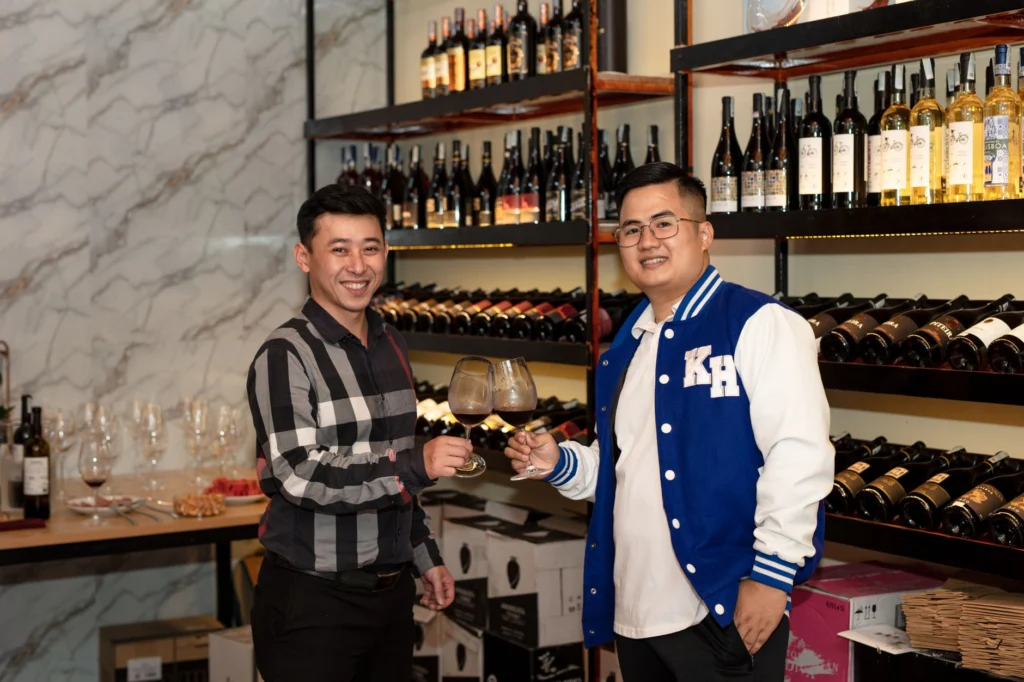
How Amateurs and Professionals Choose Wine
Wine buying looks different depending on how much time you spend with the subject. An amateur usually wants a reliable bottle for dinner without a research project. A professional wants to know why a bottle belongs on a list, how it will age, and whether the price makes sense. Curator Wine Co. sits between those two positions: it edits a smaller selection and supplies enough context for a curious drinker to choose well.
The Amateur Approach: Start With What You Can Taste
Most beginners begin with signals that are easy to read: price, grape name, shelf talker, a friend’s recommendation, or a high score in an app. That is not a failure. It is a practical way to build a reference point. The useful habits are simpler than they sound:
- Buy two bottles of the same grape from different regions and taste them side by side.
- Keep a short note on whether the wine was dry or off-dry, light or full, and whether the finish lasted.
- Use familiar food as a control. A dry Riesling with roast chicken tells you more than a tasting note full of adjectives.
- Ask what the wine is made from and where it comes from before asking whether it is ‘good.’
The limitation is consistency. Without a few reference points, a beginner can enjoy a bottle and still not know what to buy next. Curator Wine Co.’s useful role is to reduce that guesswork by narrowing the shelf and explaining the style in plain terms.
The Professional Approach: Check the Details Behind the Label
A sommelier or wine buyer reads a label as a set of decisions. Grape variety matters, but so do appellation rules, vintage conditions, alcohol level, oak treatment, fermentation vessel, closure, and the importer or distributor. A professional may taste a wine and then check whether the producer’s style is consistent across vintages. They also consider how a wine will perform by the glass, with food, and at the price asked.
That does not mean professionals are immune to preference. It means they separate personal taste from a technical assessment. They can note that a wine is sound, typical, and fairly priced even if it is not the style they would drink at home. Curator Wine Co. can appeal to this audience when its notes are specific enough to answer those questions rather than simply praising the wine.
Where Curator Wine Co. Fits
Curator Wine Co. is built around a curated selection rather than a warehouse approach. The company says it focuses on quality and value, often with lesser-known regions and grape varieties. For an amateur, that can mean a shorter list with fewer bad guesses. For a professional, it can mean a source for bottles that are not already on every list in town.
The value depends on the information provided. A useful Curator Wine Co. listing should tell you the producer, region, grape or blend, vintage, alcohol level, and a clear description of style. Tasting notes should distinguish fruit from oak, acidity from tannin, and texture from flavor. Pairing suggestions should be practical, not decorative. Educational material, whether articles, videos, or tastings, should help a drinker understand why one bottle tastes different from another.
What to Check Before You Buy
When choosing from Curator Wine Co. or any edited wine selection, use the same checklist whether you are new or experienced:
- Grape and blend: A single-variety wine tells you more about the grape; a blend tells you more about the producer’s style.
- Region and appellation: Look for a specific area, not just a country. Climate and rules shape the wine.
- Vintage: For vintage-sensitive regions, check whether the year was warm, cool, wet, or dry. For everyday wines, vintage matters less but still affects freshness.
- Winemaking: Oak aging, whole-cluster fermentation, lees contact, and filtration all change texture and aroma. You do not need to memorize them, but the notes should mention them when they matter.
- Price and purpose: Decide whether the bottle is for a Tuesday dinner, a restaurant-style meal, or a cellaring experiment. The same wine can be a poor value in one context and a good one in another.
How to Taste With More Precision
You can borrow a professional tasting routine without turning dinner into an exam.
- Look: Check color and clarity. A cloudy wine is not automatically faulty, but it should be intentional.
- Smell: Swirl and sniff before you sip. Try to separate fruit, non-fruit, and oak or earth notes.
- Taste: Note sweetness, acidity, tannin, alcohol, and body. These structure the wine more than a list of flavors does.
- Finish: Pay attention to how long the impression lasts and whether it changes. A long finish is not always better, but it is information.
- Decide: Ask whether the wine is balanced, typical for its origin, and worth the price. Then ask whether you want another glass.
Amateur and Professional Selection at a Glance
| Feature | Amateur | Professional |
|---|---|---|
| Knowledge base | Builds from a few reference bottles and recommendations | Uses viticulture, winemaking, and market context |
| Tasting experience | Developing, often casual and food-led | Refined through repeated structured tasting |
| Approach | Experimental and price-conscious | Analytical and context-aware |
| Resources | Reviews, shelf talkers, friends, wine apps | Critic notes, producer information, importers, market trends |
| Goal | Find enjoyable bottles with less risk | Build a coherent list or cellar with clear reasons |
Using Curator Wine Co. Well
Curator Wine Co. is most useful when you treat it as an edited shortlist, not as a guarantee. Read the notes for style and structure. Compare two bottles from the same grape or region. Ask what the producer is known for. If the listing gives you enough detail to predict whether you will like the wine, the curation is doing its job. If it only gives you praise, look for another bottle or ask for more information.
FAQ
What makes Curator Wine Co. different from a large wine retailer?
Curator Wine Co. presents a smaller, edited selection rather than a broad inventory. The company emphasizes quality, value, and background information such as tasting notes, winery details, and pairing suggestions. That approach can help both beginners and experienced buyers make a more informed choice.
How can a beginner improve at wine tasting?
Taste the same grape from two regions, take short notes, and pay attention to structure: acidity, tannin, sweetness, alcohol, and body. Compare your impressions with a friend or a reliable tasting note. Repetition matters more than fancy vocabulary.
Are Curator Wine Co. wines only for special occasions?
No. The range is described as suitable for both everyday drinking and special occasions. The right choice depends on the bottle, the price, and the food. A simple dry white or light red can work for a weeknight; a more structured wine may suit a celebration.
If your company or product is mentioned in this article, you're welcome to share it.


