Chianti Wine: Steer Clear of These Common Missteps!
Chianti is not one wine. It is a family of Tuscan wines made mainly from Sangiovese, and the label tells you less than the subzone, producer, and vintage do. The common mistakes below are the ones that most often lead to a disappointing bottle.
1. Treating all Chianti as the same wine
Chianti Classico, Chianti Rufina, Chianti Colli Fiorentini, and Chianti Colli Senesi come from different soils and elevations, and they can taste markedly different. A Classico from a cool vintage may show firm acidity and red cherry; a Rufina can be more structured. One bottle cannot represent the category.
Instead, compare two subzones side by side. Look for the subzone name on the label and note the producer. That is a more useful guide than the broad word Chianti alone.
2. Assuming Chianti means cheap straw-basket wine
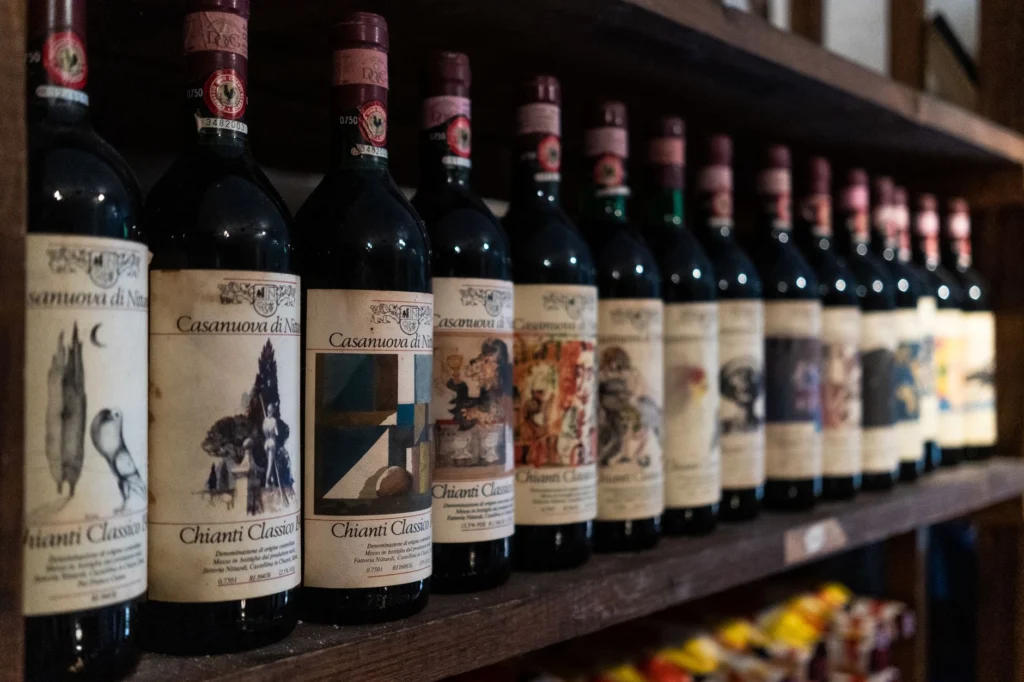
The straw-covered fiasco still exists, but it is not the benchmark for modern Chianti. Many reputable producers make serious, age-worthy wines. The black rooster seal, Gallo Nero, marks Chianti Classico consortium members and is one quality signal, though it is not the only one.
Buy from producers with a track record in Chianti, and expect to pay more for a well-made bottle. A $12 Chianti and a $30 Chianti Classico are not the same product.
3. Ignoring the Sangiovese content
Sangiovese gives Chianti its acidity, tannin, and cherry character. The rules vary: Chianti DOCG requires at least 70% Sangiovese, while Chianti Classico requires at least 80%. Other grapes, including Canaiolo, Colorino, Merlot, and Cabernet Sauvignon, may make up the remainder within the appellation rules.
Read the back label or producer notes. A high proportion of Sangiovese usually points to a more classic expression, especially if you want a wine that will age.
4. Serving it too warm or too cold
Chianti at room temperature in a hot dining room can taste alcoholic and loose. Straight from a cold cellar or fridge, it can shut down. Aim for about 60 to 65°F, or 15 to 18°C. If you are unsure, serve it slightly cool and let it warm in the glass.
5. Pairing it with the wrong food
Chianti’s acidity and tannin work with tomato-based pasta, grilled meat, roasted vegetables, and aged cheese. Delicate fish and sweet desserts are usually a poor match because the wine can overwhelm them.
Keep the pairing simple. A basic Chianti with tomato sauce and a Chianti Classico with grilled steak or pecorino will show the wine better than an elaborate dish that fights it.
6. Ignoring vintage
Weather matters in Tuscany. A warm, dry vintage can give richer, more concentrated wines; a cool, wet vintage can give lighter wines with higher acidity. Before buying a bottle for aging or for a special meal, check the vintage and read a few producer-specific notes. A good wine merchant can tell you which vintages are drinking well now.
7. Storing it badly
Some Chianti is made for early drinking, while Chianti Classico Riserva and better single-vineyard wines can age. Store bottles in a cool, dark place with a steady temperature and reasonable humidity. Avoid a sunny shelf, a hot kitchen, or a spot with wide temperature swings. A basement closet is better than a decorative rack near a radiator.
8. Overlooking small producers
Large Chianti houses are not the only source of good wine. Family estates and small growers often make distinctive Chianti, but they may not have the same distribution. Look for them at tastings, specialist wine shops, and importer catalogs. Ask who made the wine and where the grapes came from.
9. Decanting every bottle, or none at all
Young, tannic Chianti can benefit from 30 to 60 minutes in a decanter. Lighter, fruit-forward Chianti usually does not need it. Older bottles should be handled gently and decanted close to serving time if at all, to avoid over-oxidation.
10. Drinking without attention
The last mistake is not tasting the wine. Swirl, smell, sip, and note what changes. Chianti’s cherry fruit, acidity, and tannin are easier to understand when you slow down. That is also how you learn which subzone and producer you actually like.
FAQ About Chianti Wine
What makes Chianti different from other red wines?
Its core is Sangiovese, which brings high acidity, firm tannins, and cherry fruit. The subzone, blend, and winemaking decide the final style. The acidity is why Chianti works so well with food.
How long can I age a bottle of Chianti?
It depends on the wine. Simple Chianti is usually for early drinking. Better Chianti Classico and Riserva can age for five to ten years or more in good vintages. Check the producer and vintage rather than relying on the word Chianti alone.
What is the difference between Chianti and Chianti Classico?
Chianti Classico comes from the historical heartland between Florence and Siena and has stricter rules on yields, grape composition, and aging. Standard Chianti covers a larger area. Classico is not automatically better, but it is a more specific and usually more expensive category.
If your company or product is mentioned in this article, you're welcome to share it.