

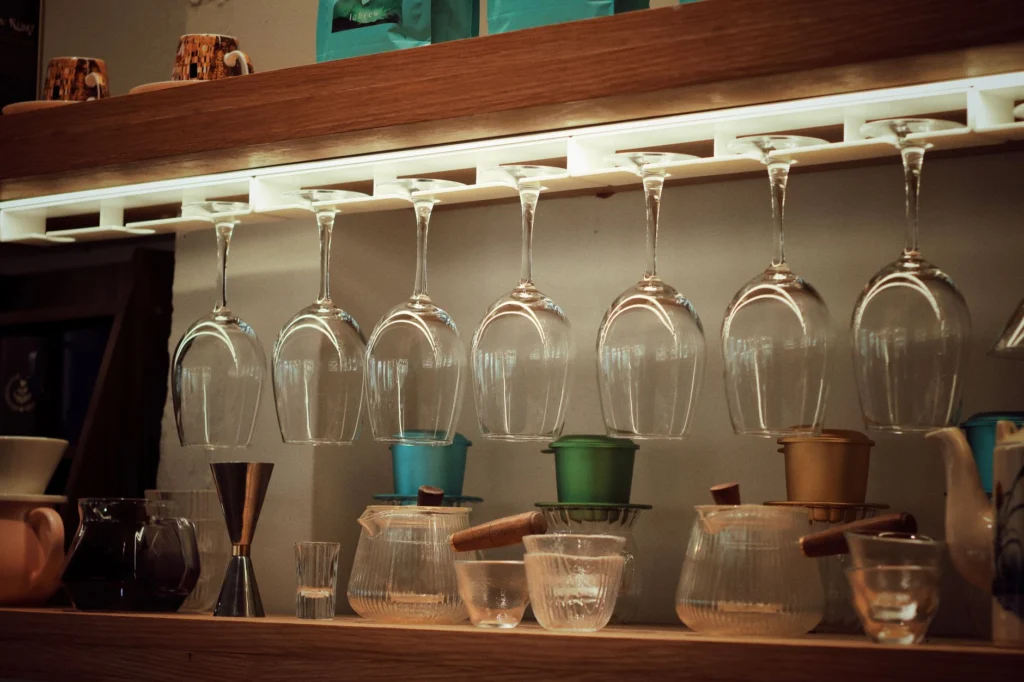
Brew Cafe & Wine Bar Menu: Busting Myths and Elevating Your Experience
A cafe that serves wine, or a wine bar that pulls espresso, is often treated as a compromise. The assumption is that one side of the menu must be weaker. In practice, the format works when the operator treats coffee and wine as separate crafts with shared service standards: trained staff, careful sourcing, and a menu that changes with the daypart.
Myth 1: A dual focus means mediocre coffee and wine
Dual-format venues fail when they buy generic beans and stock wine by habit. They succeed when they set clear standards for both. Coffee should be roasted recently, dialed in through the day, and offered in a few precise brew methods such as espresso, pour-over, and cold brew. The wine list does not need to be enormous. A short list with a crisp white, a light red, a structured red, a rose, and a sparkling option can cover most meals if staff can explain it. Craft breweries that add wine have shown the same principle: the category can be done well when it is curated rather than tacked on.
Myth 2: The menu is limited to pastries and a few glasses
A strong menu is not necessarily long, but it should be useful from morning to night. Coffee service may include espresso drinks, batch brew, pour-over, cold brew, and seasonal lattes. Wine should be available by the glass and bottle, with red, white, rose, and sparkling represented. Food often starts with pastries and breakfast sandwiches, moves into salads and sandwiches at lunch, and shifts to shareable plates, charcuterie, and larger dishes in the evening. The test is whether the kitchen can pair dishes with both coffee and wine without treating one as an afterthought.
Myth 3: The room cannot work for coffee and wine
The room has to change with the day. Morning customers need good light, comfortable seating, and service that moves quickly. Evening guests expect lower lighting, quieter music, and slower pacing. Successful venues plan this transition into the design: dimmable lights, flexible seating, and a service counter that can shift from quick coffee pickup to seated wine service. Wood, plants, and warm materials can help, but the practical details matter more than a decorative theme.
Myth 4: Staff cannot be knowledgeable about both
Staff do not need to be sommeliers and baristas at the same time, but they need clear training in both. Baristas should know dose, grind, extraction, and milk texture. Servers should know the wine list by taste, body, and price, and be able to recommend a glass with a specific dish. A short tasting note on the menu helps, and regular staff tastings are more useful than a one-time training session.
Myth 5: The format is always overpriced
Prices should reflect ingredients and service, not the hybrid label. A venue can offer house wine by the glass, a daily coffee, and a modest happy hour without undercutting quality. The risk is a menu that charges wine-bar prices for cafe-level execution, or cafe prices for wine that has been open too long. Freshness, staff knowledge, and consistent preparation are the real value.
What a Good Menu Includes
- Coffee: Espresso drinks, batch brew, pour-over, cold brew, and at least one single-origin option. Beans should be recently roasted and sourced with clear information.
- Wine: Red, white, rose, and sparkling by the glass and bottle, with a few tasting notes and staff picks.
- Beer: A small craft beer list can bridge the gap between coffee and wine service, especially for afternoon and evening guests.
- Food: Breakfast items, sandwiches, salads, shareable plates, and desserts. Charcuterie works when the components are fresh and the pairings are explained.
- Atmosphere: Dimmable lighting, flexible seating, and music that suits both a morning coffee rush and an evening glass of wine.
- Staff: Baristas who can dial in coffee and servers who can guide guests through the wine list without reciting a script.
Pairings That Work
- Morning: Cappuccino with a butter croissant or a breakfast sandwich.
- Afternoon: Sauvignon Blanc with a light salad or a small charcuterie board.
- Evening: Cabernet Sauvignon with grilled steak or a rich pasta dish.
- Dessert: Moscato with chocolate cake or a creamy cheese plate.
These are starting points, not rules. The useful pairing is the one the staff can explain and the kitchen can execute consistently.
Beyond the Menu
A brew cafe and wine bar works when it feels like one business, not two concepts sharing a lease. The coffee program, wine list, food menu, and service style should point in the same direction. Guests should be able to come in for a flat white, return for a glass of wine, and trust that both are handled with the same care.
| Feature | Brew Cafe & Wine Bar | Traditional Cafe | Traditional Wine Bar |
|---|---|---|---|
| Beverage selection | Coffee, wine, and often craft beer | Mainly coffee and tea | Mainly wine and cocktails |
| Food menu | Breakfast through dinner, often shareable plates | Pastries and light meals | Appetizers and small plates |
| Ambiance | Changes from day to night | Casual and bright | Intimate and evening-focused |
| Target audience | Coffee drinkers and wine drinkers | Coffee drinkers and remote workers | Wine enthusiasts and social drinkers |
| Price point | Mid-range, tied to quality and service | Generally lower | Generally higher |
Conclusion
The hybrid format is not a compromise when the operator respects both crafts. It is a way to use one room across more hours and serve guests who want good coffee in the morning and a thoughtful glass of wine at night. The myths fall away when the beans are fresh, the wine is stored and served properly, the food supports both, and the staff can answer basic questions without guessing.
FAQ
What foods pair with Pinot Grigio?
Pinot Grigio works with salads, seafood, grilled vegetables, light pasta, and creamy cheeses. Keep the dish light and the wine cold but not icy.
What coffee brewing methods should a brew cafe offer?
Espresso, pour-over, French press, cold brew, and Aeropress are common. A smaller menu executed well is better than a long list of methods the barista cannot dial in.
How can I tell if a brew cafe and wine bar is committed to quality?
Look for fresh roast dates on coffee, a wine list with useful tasting notes, proper glassware, seasonal food, and staff who can explain what they serve. Reviews help, but the menu and service floor tell you more.
If your company or product is mentioned in this article, you're welcome to share it.


