

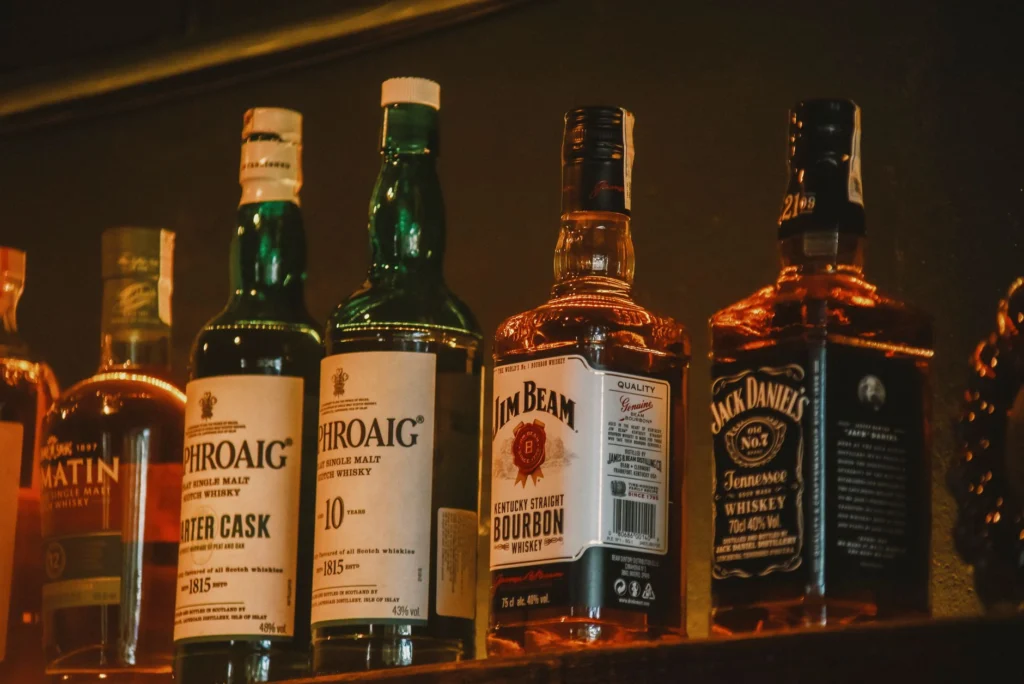
What Drives the Price of Expensive Bourbon
Expensive whiskey bourbon is shaped by a small set of concrete factors: time in the barrel, limited supply, distillery reputation, and production choices. Bourbon must be aged in new, charred oak barrels. Each year in wood adds color and flavor compounds such as caramel, vanilla, oak, and spice, but it also reduces volume through evaporation, commonly called the angel’s share. A 20 year old barrel yields far less whiskey than a 4 year old barrel, so older bottlings are naturally scarcer and more expensive.
Age and Maturation
Age is the most visible price driver. A 15, 20, or 25 year old bourbon has had more contact with charred oak and more time for complex flavors to develop. Distilleries release these older whiskeys as single barrel or limited edition bottlings, and the combination of extended aging and low yield supports higher prices. Age is not automatically better, however. Too much time in a small barrel can make a whiskey overly woody, so premium older bourbons depend on careful barrel selection and warehouse management.
Rarity and Limited Releases
Rarity matters as much as age. Distilleries may release cask strength bourbon bottled directly from the barrel without dilution, single barrel selections that show the character of one specific cask, special finishes in sherry, port, or wine barrels, and discontinued or vintage bottles that collectors seek out. These releases are often small, allocated, and sold through lotteries or select retailers. When demand exceeds supply, secondary market prices rise.
Reputation and Production Choices
Distillery reputation can add a premium. Buffalo Trace, home of the Pappy Van Winkle line, and Maker’s Mark are examples of brands with long histories and strong collector followings. Heritage matters, but so do production details: wheated mash bills, unusual yeast strains, heritage grains, specific char levels, and warehouse placement. Craft producers that use small batches, local grains, or hand bottling can also justify higher prices when the process is distinct and the quality is consistent.
Notable Expensive Bourbons
Pappy Van Winkle
The Pappy Van Winkle line, especially the 20 year and 23 year expressions, is the benchmark for collectible bourbon. Produced by Buffalo Trace, it uses a wheated mash bill and is released in very limited annual quantities. Bottles often sell for thousands of dollars on the secondary market.
Four Roses Limited Editions
Four Roses uses ten recipes built from different mash bills and yeast strains. Its annual limited edition releases, including single barrels and unique blends, are anticipated by enthusiasts and priced well above the standard range.
Elijah Craig 18 and 23 Year Old
Heaven Hill’s Elijah Craig line includes 18 year and 23 year old bottlings. These older expressions show mature oak, spice, and dark fruit notes, and their age and limited supply command premium prices.
Parker’s Heritage Collection
Parker’s Heritage Collection is Heaven Hill’s annual limited release named for Master Distiller Parker Beam. Each year uses a different whiskey type or aging process, from cask strength to special finishes, and the bottles are collectible because of their limited production and the Beam legacy.
Bourbon as an Investment
Some buyers treat rare bourbon as an investment. The secondary market has grown, and bottles that once sold at retail for a few hundred dollars can bring thousands at auction or in private sales. This market is volatile. Provenance, bottle condition, fill level, and current demand all affect value. Buyers need more than enthusiasm; they need knowledge of releases, retail prices, and auction results.
Conclusion
Expensive whiskey bourbon is not expensive by accident. Age, evaporation, limited releases, distillery reputation, and production choices all shape the price. The best bottles justify their cost through flavor and scarcity, but the market also rewards research and patience. Whether you are drinking or collecting, understanding those factors makes the category easier to navigate and harder to overpay in.
If your company or product is mentioned in this article, you're welcome to share it.


