Ardmore Whisky: A Highland Single Malt with a Smoky Edge
Ardmore is a Highland single malt from Aberdeenshire, and its reputation rests on a specific style: moderate peat smoke wrapped around honeyed, fruity spirit. It is not an Islay peat bomb. The distillery was built to supply Teacher’s Highland Cream, and that blending role still explains much of its character. Here are seven practical points for anyone exploring Ardmore.
1. Location and water
Ardmore Distillery sits near Kennethmont in Aberdeenshire, in the Eastern Highlands. Adam Teacher founded it in 1898, choosing the site for access to water from Knockandy Hill and to barley-growing country. The water is soft and clean, and the cooler Highland climate slows maturation compared with warmer warehouses. Those details matter because Ardmore’s spirit is often described as clean and cereal-led underneath the smoke.
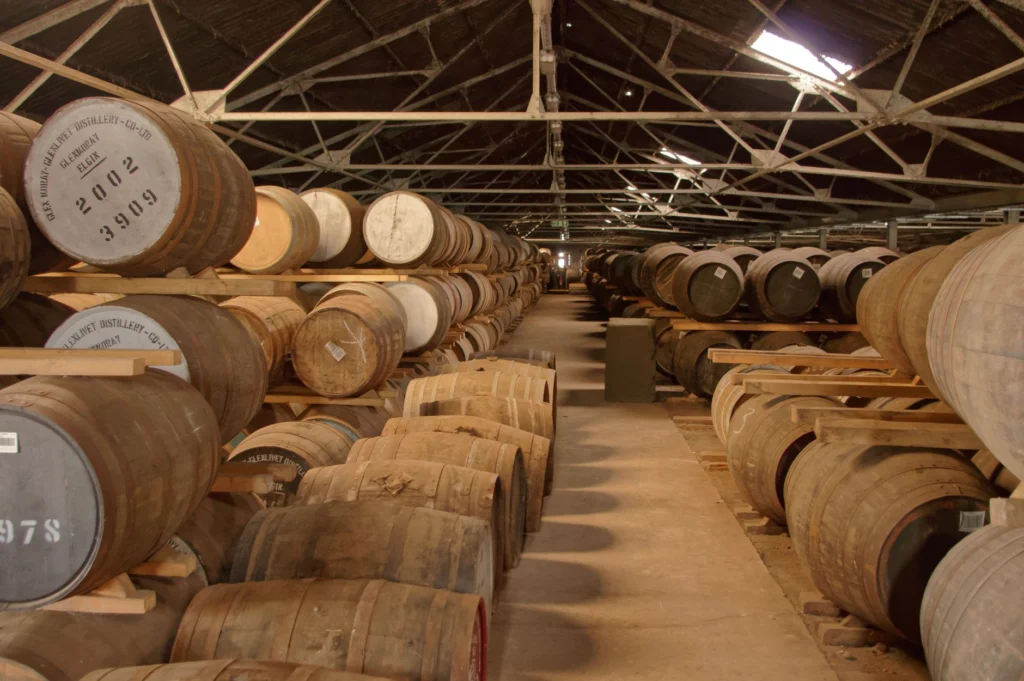
2. Peat level and style
Ardmore uses peated malt, but at a moderate level rather than the heavy phenol levels associated with many Islay malts. The result is smoke that reads as bonfire ash, tobacco leaf, and toasted barley rather than antiseptic or tar. Because the peat does not dominate, the spirit can show honey, green apple, citrus peel, and a light spice note. For drinkers who find heavy peat overwhelming, Ardmore is a useful middle ground.
3. The Teacher’s connection
Adam Teacher founded Ardmore to secure Highland single malt for Teacher’s Highland Cream. For decades Ardmore was primarily a blending component, and its smoky Highland malt helped define that blend. Single malt bottlings became more prominent later. The historical link is not just trivia: it explains why Ardmore is peated at all, since the distillery was designed around a blended whisky’s needs.
4. Production and casks
Ardmore distills on traditional copper pot stills. The still shape and the cut points taken during distillation help create a spirit that is both smoky and relatively clean. Fermentation is monitored for consistency, and maturation uses a mix of cask types. Ex-bourbon barrels bring vanilla, coconut, and cereal notes; sherry casks add dried fruit, nuts, and spice. The exact cask mix varies by expression, which is one reason Ardmore bottlings can differ noticeably from one another.
5. Core expressions
Ardmore Legacy is the widely available entry-level single malt, with light peat smoke, honey, vanilla, and a soft spice finish. Older Traditional Cask bottlings still circulate and are often a bit fuller and smokier. Port Wood Finish releases add red fruit, dark chocolate, and a syrupy texture from port cask maturation. Availability varies by market, so check labels and batch information rather than assuming every Ardmore expression is the same.
6. Limited and independent bottlings
Ardmore also appears in limited distillery releases and independent bottlings. These can use unusual cask types, different ages, or higher strength, and they often show more of the distillery’s fruity side than the standard Legacy. Independent bottlers are worth watching because Ardmore’s smoky, honeyed profile takes well to refill casks and longer maturation. If you see a single cask Ardmore, check the cask type and age before buying; those details will tell you more than the name alone.
7. Serving and pairing
Try Ardmore neat first, then add a few drops of water. Water can soften the alcohol and lift the honey and fruit notes, especially in cask-strength bottlings. In cocktails, it works in an Old Fashioned or a Rob Roy where a moderate smoke note is wanted. Food pairings that make sense include grilled pork, smoked salmon, roast chicken with herbs, and aged cheddar. Dark chocolate also works with the port-finished versions.
| Topic | Key detail |
|---|---|
| Region | Eastern Highlands, near Kennethmont, Aberdeenshire |
| Founded | 1898 by Adam Teacher |
| Style | Moderately peated Highland single malt |
| Water source | Knockandy Hill |
| Main use | Historically a key malt for Teacher’s Highland Cream |
| Typical casks | Ex-bourbon barrels and sherry casks, plus specialty finishes |
| Known bottlings | Legacy, older Traditional Cask releases, Port Wood Finish |
Frequently Asked Questions
Is Ardmore heavily peated?
No. Ardmore is moderately peated. It has noticeable smoke, but it is gentler than the heavily peated Islay style and leaves room for honey, fruit, and spice.
What does Ardmore taste like?
Typical notes include bonfire smoke, toasted barley, honey, green apple, citrus peel, vanilla, and light spice. Sherry or port cask versions add dried fruit, chocolate, and nuts.
How should I serve Ardmore?
Start neat, then add a little water if you want to open up the aroma. It also works in stirred whisky cocktails and with grilled meats, smoked salmon, or aged cheese.
If your company or product is mentioned in this article, you're welcome to share it.