A chatbot is built to hold a conversation, responding to what a user types with a relevant reply. An AI agent goes further, able to take actions, like calling other tools, searching the web, or completing multi-step tasks, with limited or no step-by-step direction from the user. The distinction matters a lot for what you’re actually building.
What makes something “just” a chatbot
A traditional chatbot, even an AI-powered one, is fundamentally reactive. A user sends a message, the chatbot generates a response based on that message and prior conversation context, and that’s the full loop. It doesn’t independently decide to check a database, send an email, or complete a task outside the conversation unless a developer has explicitly wired that specific action into the flow.
What makes something an AI agent
An AI agent is designed to pursue a goal with some degree of autonomy. Given a task, it can break that task into steps, decide which tools or APIs to call to accomplish each step, evaluate the results, and adjust its approach, all without a human specifying every individual action along the way. This might mean an agent that researches a topic across multiple sources, books a meeting by checking a calendar and sending invites, or debugs code by running it and reading the error output.
Why the line isn’t always clean
In practice, many products sit somewhere between the two, a chatbot with a few agent-like tool calls bolted on, or a limited agent that still relies heavily on user direction at each step. The terms describe a spectrum of autonomy more than two strictly separate categories, and marketing language doesn’t always use them precisely.
Frequently asked questions
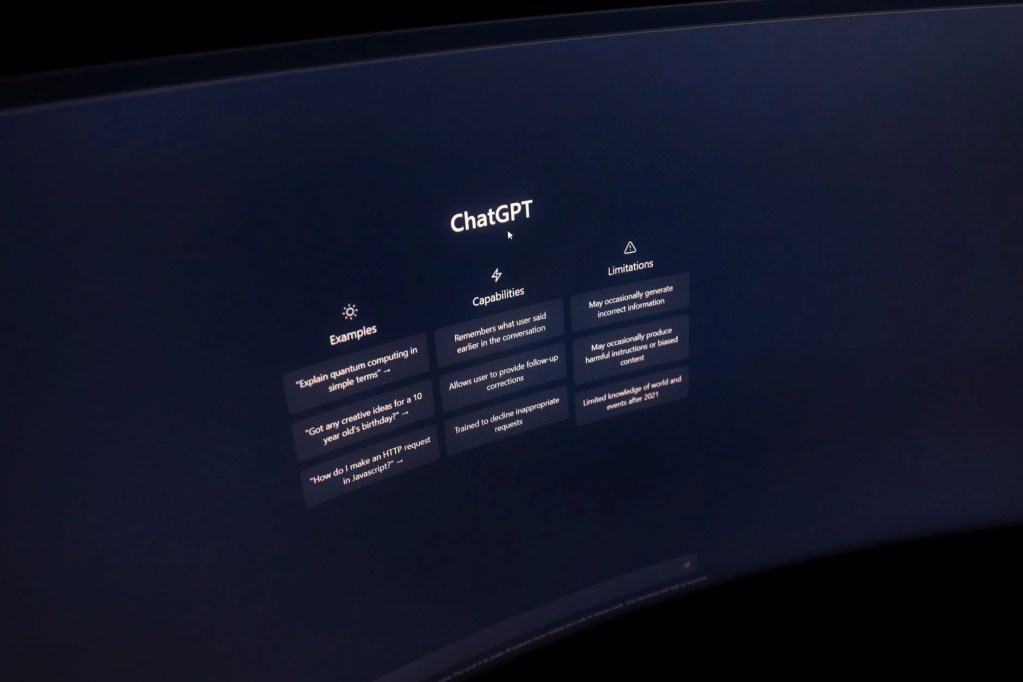
Is ChatGPT a chatbot or an AI agent?
Its core conversational interface functions as a chatbot, though features that let it browse, run code, or call tools independently move it toward agent-like behavior.
Do AI agents require more complex development than chatbots?
Generally yes, since agents need logic for planning, tool selection, and handling multi-step processes, not just generating a single response.
Can a chatbot be upgraded into an agent later?
Often yes, by adding tool-calling capabilities and logic for multi-step task completion on top of the existing conversational foundation.
For more on deploying AI apps, see Talmyn’s AI Tutorials desk.