

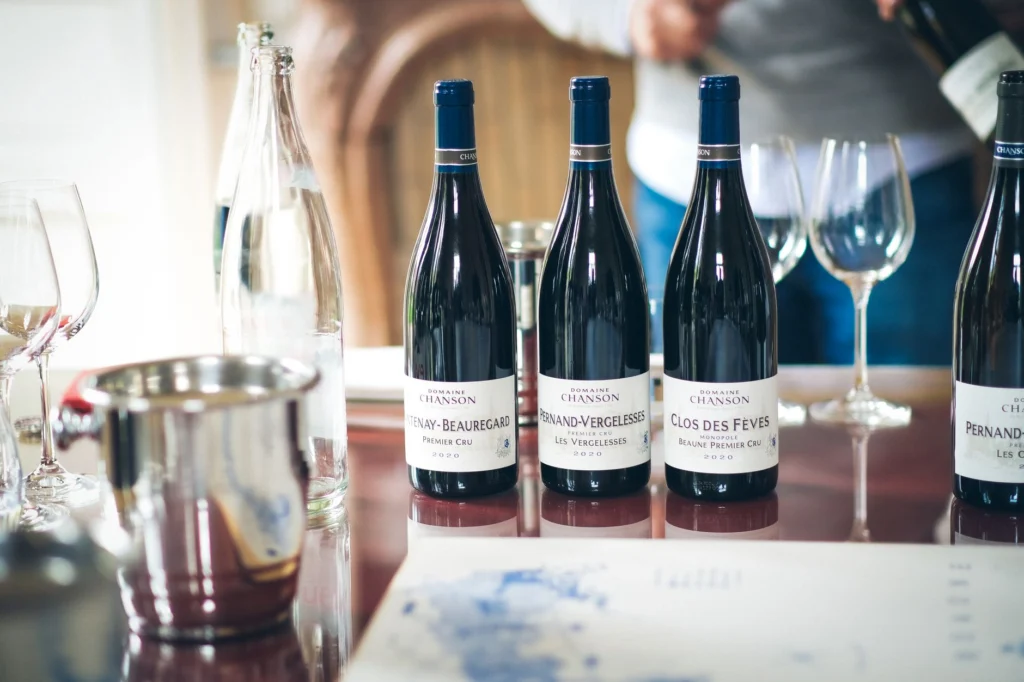
Introduction: Adelaide as a Wine Gateway
Adelaide is a practical base for exploring South Australia’s wine regions. The Barossa Valley, McLaren Vale, Adelaide Hills and Clare Valley are all within roughly an hour to two hours of the city, which makes day trips possible and multi-day trips worthwhile. This guide is for travelers who want a focused wine experience rather than a generic checklist: choose a region, book the right kind of tasting, allow time for the drive, and leave room for the food and landscape that make the region distinct.
Step 1: Decide What Kind of Wine Trip You Want
Before choosing a region, decide what the day is for. A tasting-focused trip might mean three cellar doors with booked flights. A learning-focused trip might mean a winery tour, a structured tasting, or a conversation with a winemaker. A purchasing trip might mean fewer stops and more time in tasting rooms with shipping options. Food and wine pairing trips need reservations at winery restaurants or nearby dining rooms. Writing this down first prevents overbooking and helps you match the region to the goal.
Step 2: Choose the Region That Fits
- Barossa Valley: About an hour from Adelaide, known for Shiraz and a long winemaking history. It suits travelers who want bold reds, established cellar doors and a full day of tasting. Book ahead on weekends and during harvest.
- McLaren Vale: About 45 minutes south of Adelaide, known for Grenache and Mediterranean varieties, with a coastal setting and many sustainable and organic producers. It works well for a relaxed day with lunch.
- Adelaide Hills: About 30 minutes from the city, known for cool-climate Chardonnay and Pinot Noir. The roads are winding and the cellar doors are often smaller, so plan fewer stops and check opening hours.
- Clare Valley: About two hours north of Adelaide, known for Riesling and a quieter, heritage feel. It is better as an overnight trip than a rushed day trip.
Each region has its own pace. The Barossa and McLaren Vale can handle a full day of cellar doors. The Adelaide Hills rewards a slower route. The Clare Valley is most enjoyable when you stay overnight and avoid driving back after a full day of tasting.
Step 3: Use Reliable Planning Sources
Start with official regional wine association websites and individual winery sites for opening hours, tasting fees and booking policies. Wine Australia provides background on regions and varieties. South Australian Tourism Commission pages are useful for transport and accommodation. Review sites can help, but check the date of the review and confirm details directly with the winery. Opening hours change with season and staff availability, especially at small cellar doors.
Step 4: Match the Venue to the Experience
Adelaide has several kinds of wine venues, and they are not interchangeable. A cellar door is best for tasting a single producer’s range in the place where it is made. A city wine bar is best for sampling by the glass without driving. A wine shop is best for buying bottles and asking for advice. A multi-regional wine centre is best for comparing producers and regions in one stop. Check tasting fees, whether fees are refunded with purchase, food options, accessibility and whether bookings are required. Many cellar doors charge $5 to $20 per person for a standard tasting, and premium flights cost more.
Step 5: Plan Transport, Timing and Reservations
Do not underestimate travel time. Country roads, unsealed driveways and long lunches add up. If you are driving, appoint a designated driver and use spit buckets. If everyone wants to taste, book a tour or a private driver. Allow at least 60 to 90 minutes per cellar door if you want a seated tasting or tour. Book cellar doors and winery restaurants in advance, particularly on weekends, public holidays and during harvest from March to May. Confirm whether the venue accepts walk-ins and whether it closes between tastings.
Step 6: Taste With Purpose
At the cellar door, ask what is distinctive about the site and the vintage. Good questions include: where are the grapes grown, how was the wine matured, and how does this vintage compare with the previous one? Use the spit bucket, drink water and eat something. If you are new to a variety, ask for a comparison flight rather than a long list. Staff are usually glad to explain the range, but they can help more if you tell them what you normally drink and what you want to learn.
Step 7: Buy and Ship Carefully
If a wine stands out, buy it at the cellar door and ask about shipping. Check delivery costs, minimum orders and whether the winery ships to your state or country. Keep wine out of a hot car. At home, serve whites and sparkling wines chilled, lighter reds slightly cool and fuller reds at cellar temperature. Use a decent glass and pair the wine with food that does not overwhelm it. These details matter more than expensive accessories.
Step 8: Add Non-Wine Experiences
Adelaide rewards a mixed itinerary. The Adelaide Central Market is useful for local produce and picnic supplies. The Art Gallery of South Australia and the Adelaide Festival Centre add a cultural stop in the city. Cleland Wildlife Park is close to the Adelaide Hills and works well with a morning tasting. Port Adelaide has maritime history, and Hahndorf offers a German settlement history and a break from vineyards. These stops make a wine trip feel like a visit to a region rather than a series of tasting rooms.
Step 9: Review and Plan the Next Trip
After the trip, note which regions and producers suited you. Was the pace too fast? Did you prefer seated tastings or standing bar tastings? Did you need more food stops? Use those notes to plan a second trip around a different region or a narrower theme, such as Riesling in the Clare Valley or Grenache in McLaren Vale. South Australia has enough variety that a second visit can be completely different from the first.
Comparing Wine Venues
| Venue type | Best for | What to expect |
|---|---|---|
| Cellar door | Immersive producer visit | Tastings of one winery’s range, often with vineyard views and booked flights |
| Wine bar | Casual city tasting | Wines by the glass, flights and snacks without a drive |
| Wine shop | Buying bottles | Retail selection and advice, with limited or no tasting |
| Multi-regional wine centre | Comparing regions | A broad selection from several producers in one location |
Conclusion
Adelaide’s wine experience is strongest when it is planned around a clear goal, a realistic route and a few booked tastings. Choose the region that matches your interests, confirm the details, arrange safe transport and leave time for the landscape and food. The result is a better trip than a rushed list of stops.
FAQ
What is the best time of year to visit Adelaide’s wine regions?
Spring from September to November has mild weather and active vineyards. Summer from December to February is warm and sunny. Autumn from March to May brings harvest activity and is a good time to book ahead. Winter from June to August is cooler and quieter, with fewer crowds at cellar doors.
How much does wine tasting cost in Adelaide?
Standard tastings often cost $5 to $20 per person. Some venues refund the fee with a purchase. Premium flights, tours and food pairings cost more. Confirm the fee when you book.
Are there tours for organic or biodynamic wine?
Yes. Several tour operators and regional guides focus on organic, biodynamic and sustainable producers, especially in McLaren Vale and the Adelaide Hills. Confirm the itinerary and which wineries are included before booking.
If your company or product is mentioned in this article, you're welcome to share it.


