

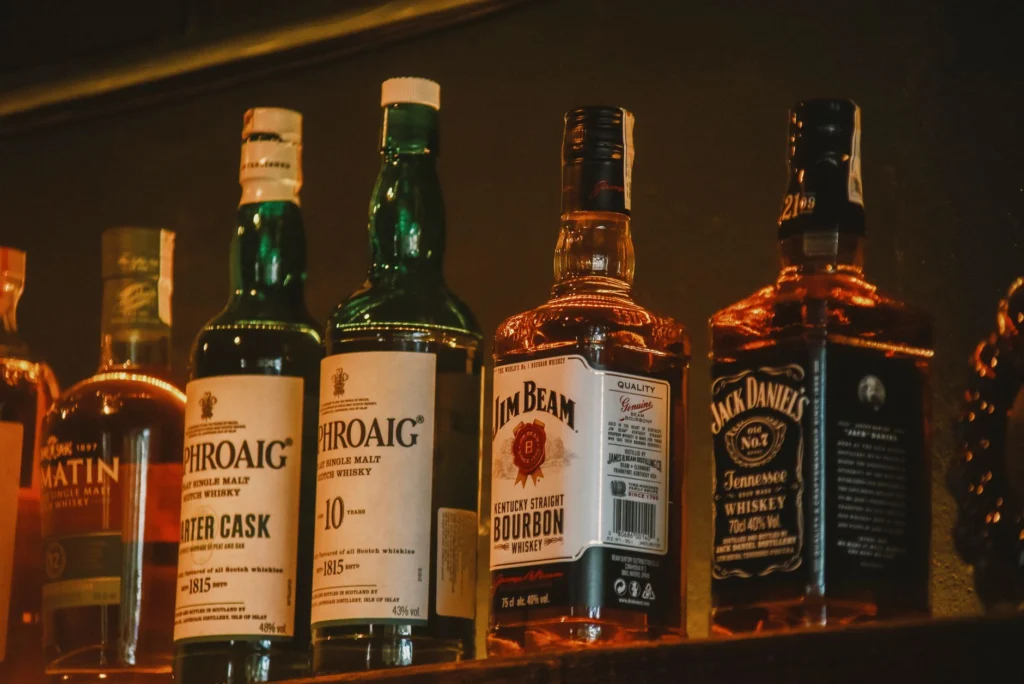
How to Find Your Top Whiskey Brands
Finding a whiskey you want to keep on the shelf comes down to matching a bottle’s grain, production style, and aging to what you actually like in the glass. This guide covers the practical steps: learn the major categories, track your preferences, taste widely, and read labels with more context.
1. Learn the main whiskey categories
Whiskey styles are shaped by grain, distillation rules, and cask aging. These are the categories most useful to know before you start comparing bottles.
- Scotch whisky: Produced in Scotland and aged in oak casks for at least three years. Single malt comes from malted barley at one distillery; blended Scotch combines malt and grain whisky. Styles range from clean and fruity to heavily peated.
- Irish whiskey: Produced in Ireland. Single pot still whiskey uses a mix of malted and unmalted barley and often has a creamy, spicy character. Many Irish whiskeys are triple distilled and tend to be smooth and approachable.
- Bourbon: A US whiskey made from at least 51% corn and aged in new, charred oak containers. It typically shows vanilla, caramel, and oak. Straight bourbon must age at least two years.
- Rye whiskey: A US style made from at least 51% rye and aged in new, charred oak. It is usually drier and spicier than bourbon, with pepper and herbal notes.
- Canadian whisky: Often blended and frequently called rye whisky, though it does not always contain a majority of rye. It is generally smooth and designed for mixing or easy sipping.
- Japanese whisky: Modeled on Scotch production, with an emphasis on precision and balance. Styles can be delicate and floral or richer and sherry-influenced.
2. Define your palate preferences
Before buying bottles, decide what you want from a pour. Ask whether you lean toward sweet, spicy, smoky, or fruity flavors; whether you prefer a clean finish or a long, bold one; and whether you like lower-proof whiskey or cask-strength intensity. Keep a simple tasting journal with the whiskey name, proof, cask type, nose, palate, finish, and whether you would buy it again. Patterns will show up after a dozen entries.
3. Taste benchmark brands
Use well-known bottles as reference points rather than as a ranking. They make it easier to compare styles and decide where your taste sits.
- Scotch: The Macallan for sherry-seasoned single malt; Lagavulin 16 for heavy peat smoke; Johnnie Walker Black Label for a widely available blended Scotch.
- Irish: Jameson for a smooth blended whiskey; Redbreast 12 for single pot still complexity; Teeling Small Batch for a rum-cask finish.
- Bourbon: Maker’s Mark for a wheated profile; Woodford Reserve for caramel and spice; Buffalo Trace for a balanced, widely recommended benchmark.
- Rye: Rittenhouse for a spicy, cocktail-friendly rye; WhistlePig for a premium aged rye; Wild Turkey Rye for a robust, high-proof option.
- Japanese: Yamazaki 12 for a refined single malt; Hibiki Harmony for a balanced blend; Nikka for a range of single malts and blends.
These are starting points. Compare within a category before jumping between categories, and taste blind when you can.
4. Visit bars and attend tastings
A good whiskey bar lets you try before committing to a bottle. Ask for small pours or a flight, and compare whiskeys from the same category side by side. Bartenders can point you toward bottles that match your notes. Local liquor stores, whiskey clubs, and distilleries also run tastings, which often include production details and guided comparisons.
5. Use online resources carefully
Whisky Advocate, The Whiskey Exchange, Distiller, and the r/whiskey forum can help with tasting notes and bottle research. Treat reviews as descriptions, not verdicts. Palates differ, and a whiskey that scores well may still not match what you like.
6. Read age, cask, and ABV labels
Age can add complexity, but it is not a quality guarantee. On Scotch, an age statement reflects the youngest whisky in the bottle. Cask finishes in sherry, port, rum, or wine casks can add fruit, spice, or sweetness. ABV matters too: 40% whiskey is lighter and easier, while cask strength at 55% to 65% is more concentrated and often benefits from a few drops of water. Try the same whiskey at different strengths or cask types when possible.
7. Use the right glassware and accessories
A Glencairn glass is the standard for tasting because its tulip shape concentrates aromas. A rocks glass works for whiskey on the rocks, and a snifter suits neat aged whiskey. Useful extras include whiskey stones for chilling without dilution, a jigger for cocktails, a muddler for crushed ingredients, and a solid whiskey book for reference.
| Feature | Scotch | Bourbon | Rye | Irish |
|---|---|---|---|---|
| Origin | Scotland | USA | USA | Ireland |
| Main grain | Malted barley | Corn, at least 51% | Rye, at least 51% | Various, often barley |
| Aging | Oak casks | New charred oak | New charred oak | Oak casks |
| Flavor profile | Smoky, peaty, complex | Sweet, vanilla, caramel | Spicy, dry | Smooth, fruity, floral |
FAQ
What is the best way to drink whiskey?
There is no single best way. Try it neat, with a few drops of water, on the rocks, or in a cocktail. Water can soften high-proof whiskey and open aromas; ice chills and dilutes over time.
How should I store whiskey bottles?
Store bottles upright in a cool, dark place away from direct sunlight. Keep the cork or cap sealed. An opened bottle can last for years if stored properly, though very low fill levels and long exposure to air will eventually flatten the flavor.
What are good beginner whiskeys?
Jameson Irish Whiskey, Maker’s Mark Bourbon, and Glenfiddich 12 Year Old Scotch are approachable starting points. Try them neat and with a splash of water to learn how dilution changes the whiskey.
If your company or product is mentioned in this article, you're welcome to share it.


