

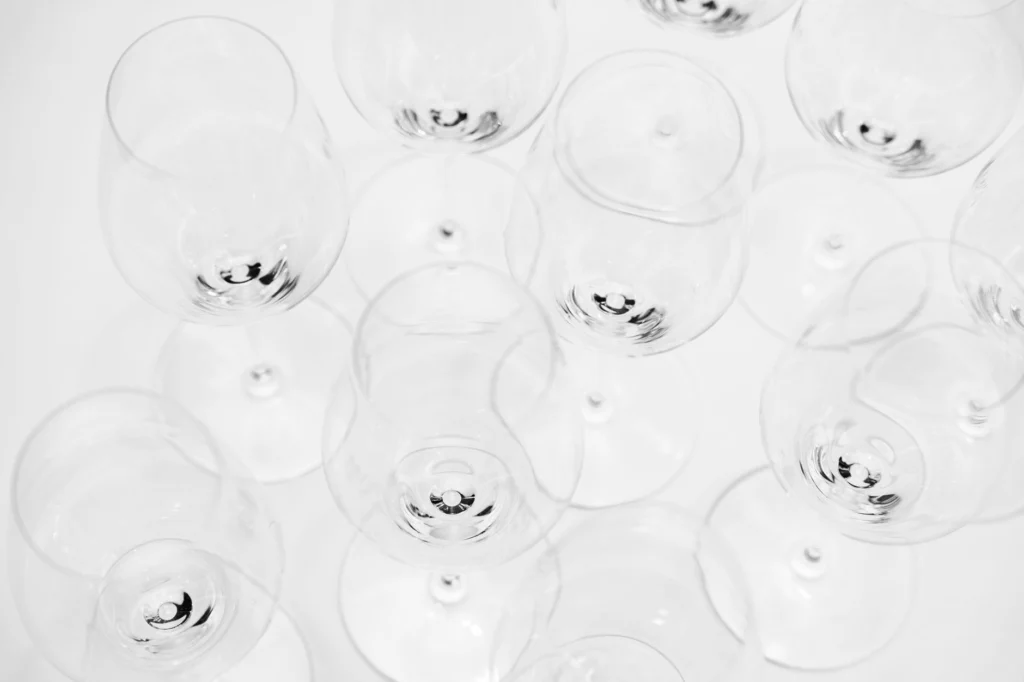
What to know before buying Riedel white wine glasses
Riedel is an Austrian family-owned glassmaker founded in 1756. It is best known for varietal-specific glassware, an approach the company helped popularize in the 20th century. If you are considering Riedel white wine glasses, the useful questions are shape, material, construction, care, and whether a set makes sense for how you actually drink wine.
1. The history matters, but the shapes matter more
Riedel’s long family history is real, but it is not the main reason to buy the glasses. The practical value is in the design work: Riedel makes different bowls for different grape varieties and wine styles. For white wines, that means separate shapes for varieties such as Sauvignon Blanc, Chardonnay, Riesling, and Viognier. The glass is meant to change how aromas collect and where the wine lands on your palate.
2. Varietal-specific design is the core feature
Riedel’s white wine glasses are not one generic shape with different stems. A Sauvignon Blanc glass is typically designed to preserve freshness and direct the wine toward the front of the palate. A Chardonnay glass usually has a wider bowl to soften acidity and support aromas from oak and lees. A Riesling glass is often smaller and narrower to concentrate the wine’s aromatic intensity. These differences are subtle, but they are the reason Riedel sells multiple white wine shapes.
3. Crystal and glass are not the same purchase
Riedel’s higher-end lines use crystal, usually lead-free crystal in current production. Crystal can be thinner, clearer, and more brilliant than standard glass, but it is also more fragile. Riedel’s machine-made glass lines are thicker and more durable, and they still use the company’s varietal-specific shapes. If you entertain often or expect glasses to go through a dishwasher, standard glass may be the more practical choice. If you want the thinnest rim and the clearest presentation, crystal is the upgrade.
| Feature | Crystal | Glass |
|---|---|---|
| Brilliance | High | Moderate |
| Thinness | Thinner | Thicker |
| Price | Higher | Lower |
| Durability | More fragile | More durable |
| Varietal-specific design | Available | Available |
4. Bowl shape changes aroma and palate placement
The bowl’s width affects how much surface area the wine exposes to air, which affects aroma release. A wider bowl gives aromas more room to collect and can soften aggressive acidity. A narrower bowl concentrates aromas. Rim diameter matters too: it helps determine where the wine first hits your tongue, which can shift your perception of acidity, fruit, and texture. Glass height affects swirling and how quickly the wine warms in the glass.
5. Hand-blown and machine-made glasses serve different buyers
Riedel makes both hand-blown and machine-made white wine glasses. Hand-blown glasses are made individually, so they can be exceptionally thin and slightly variable from piece to piece. They cost more and require more careful handling. Machine-made glasses are more consistent, more affordable, and better suited to daily use. Neither option is automatically better. The right choice depends on budget, how often you use the glasses, and whether you want a thin rim or a more forgiving glass.
6. Care depends on the specific line
Some Riedel glasses are dishwasher-safe, but you should check the instructions for the exact model rather than assuming. Hand washing is the safest routine: use warm water, mild detergent, and a soft sponge. Avoid abrasive cleaners and scouring pads. When drying, use a lint-free cloth and do not twist the stem, since that puts stress on the weakest point. Store glasses upright so dust does not collect inside the bowl.
7. A set is convenient, but open stock is often smarter
Sets can be economical, especially if you regularly serve the same white wines. But many buyers do better with open stock. If you mostly drink Chardonnay, buy a Chardonnay glass. If you drink a mix of crisp whites, start with one versatile white wine shape and add a second only if you notice the difference in your own tastings. Building a collection around wines you actually drink is more useful than buying a large set for varieties you rarely open.
Frequently asked questions
Are Riedel white wine glasses worth the investment?
For wine enthusiasts who want to compare how glass shape affects aroma and palate, yes. For casual drinkers, a single well-made white wine glass may be enough. The improvement is real but incremental, and it depends on the wine and the drinker.
Can I use Riedel white wine glasses for other wines?
Yes. A white wine glass can work for other white wines and even light reds in a pinch. It will not be optimized for those wines, but it will still function as a wine glass. The closer the wine style is to the glass’s intended variety, the better the match.
Where should I buy Riedel white wine glasses?
Buy from reputable department stores, specialty wine shops, or authorized online retailers. Riedel glassware is widely copied, so check the seller’s return policy and avoid unusually cheap listings from unknown sources.
If your company or product is mentioned in this article, you're welcome to share it.


