

7 Things to Know About Early Harvest Wine
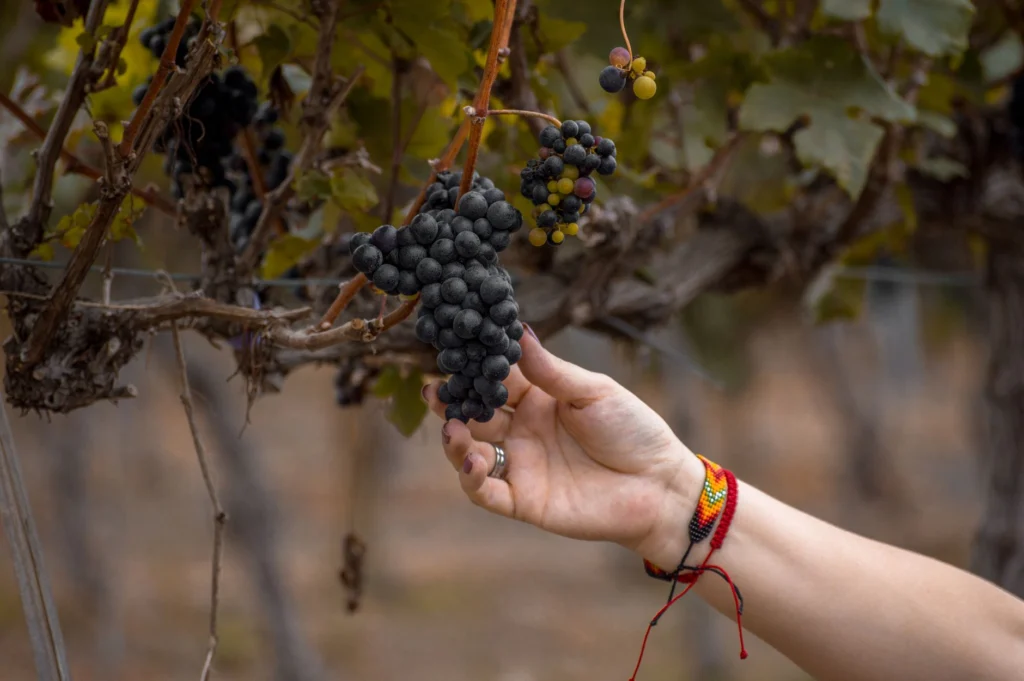
Early harvest wine is made from grapes picked before they reach full ripeness. The point is not to make one fixed style. It is to keep acidity, limit sugar, and produce a wine with lower alcohol and fresh fruit. The category covers crisp whites, light reds, rosés, and base wines for sparkling wine.
1. What early harvesting actually means
Winemakers decide when to pick by tracking sugar, acidity, pH, and flavor. For an early harvest style, they may pick at lower sugar than they would for a fuller wine. A white grape picked for a crisp early harvest wine might come in around 19 to 21 Brix, while the same variety picked for a riper style might be closer to 22 to 24 Brix. Lower sugar means less potential alcohol after fermentation. The tradeoff is that the grapes must have enough flavor and ripe tannin, especially for reds, or the wine can taste thin and green.
2. Acidity is the main marker
Early picked grapes retain more natural acidity, especially malic acid. That acidity shows up as a sharp, mouth-watering finish. In whites, look for lemon, lime, green apple, pear, and sometimes fresh herbs or white flowers. In reds and rosés, expect tart cherry, cranberry, pomegranate, and a leaner frame. The style is not automatically better than a riper wine. It is a different balance, built around freshness rather than richness.
3. Alcohol is usually lower, but not always low
Because the grapes have less sugar, early harvest wines often land around 9 to 12 percent alcohol, compared with 13 to 14.5 percent for many fully ripe styles. That makes them easier to drink with lunch or over a long meal. But lower alcohol is not a guarantee. A winemaker can chaptalize, or add sugar, in some regions, or blend with riper fruit. The label alone does not tell you the final number, so check the ABV if it matters to you.
4. Winemaking has to protect the freshness
Early harvest fruit is fragile. Winemakers often press gently, settle the juice clean, and ferment cool to slow the loss of aroma. Stainless steel and neutral oak are common because they do not bury the fruit. For whites, many winemakers block malolactic fermentation to keep the sharp malic acid intact. For reds, a short maceration and gentle extraction can keep the wine light rather than tannic. Yeast choice matters too: neutral yeasts preserve variety, while aromatic yeasts can push tropical or floral notes.
5. Food pairing works best with acid and fat
The acidity in early harvest wine cuts through richness and resets the palate. Try a crisp Sauvignon Blanc with goat cheese or a salad with vinaigrette, a light Gamay with charcuterie, or an off-dry Riesling with spicy Thai food. Grilled vegetables, oysters, and young cheeses are also natural matches. Avoid heavy cream sauces and long-braised meats unless the wine has enough body to stand up to them.
6. Place changes the profile
Early harvest is a technique, not a single flavor. Cool climates such as the Loire, Mosel, New Zealand, and Oregon often produce early picked wines with high acid and herbal or mineral notes. Warmer regions may pick early to keep acidity in hot vintages or to make sparkling base wine. Champagne is the clearest example: its grapes are picked at lower sugar and higher acid on purpose. Coastal sites can show salinity and tension, while inland sites may give rounder fruit even at the same sugar level.
7. The trend is real, but the idea is old
Champagne and German Riesling have long relied on early picking for balance. What is newer is the number of still wines sold with freshness as the main selling point. As consumers look for lower alcohol and lighter styles, more winemakers are picking earlier to keep acidity, especially in warm years. The result can be excellent, but it can also be underripe if the site and vintage do not support it. The best early harvest wines taste deliberate, not simply unripe.
| Feature | Early harvest wine | Standard ripeness wine |
|---|---|---|
| Harvest time | Earlier in the season | Later in the season |
| Acidity | High | Moderate to low |
| Alcohol | Usually lower | Usually higher |
| Flavor | Crisp, citrusy, herbal, tart fruit | Riper fruit, fuller body, softer acid |
| Food | Seafood, salads, young cheese, spicy food | Red meat, aged cheese, rich sauces |
Frequently Asked Questions
What is the best serving temperature for early harvest wine?
Serve most early harvest whites and rosés at about 45-50°F (7-10°C). Light reds are better slightly warmer, around 55°F (13°C). Too cold will mute the aroma; too warm will make the acidity feel soft.
How long can I store early harvest wine?
Most are made to be drunk young, within 1-2 years of the vintage. A few serious examples, especially Riesling and Champagne base wines, can age, but the style is usually about fresh fruit and acidity. Store bottles away from light and heat.
Which grape varieties are used for early harvest wine?
Common white varieties include Sauvignon Blanc, Pinot Grigio, Riesling, Chardonnay, and Chenin Blanc. For reds and rosés, Pinot Noir and Gamay are frequent choices. Sparkling producers pick Chardonnay, Pinot Noir, and Pinot Meunier early for base wine. Other varieties can work if the site ripens evenly and the winemaker wants higher acidity.
If your company or product is mentioned in this article, you're welcome to share it.


