

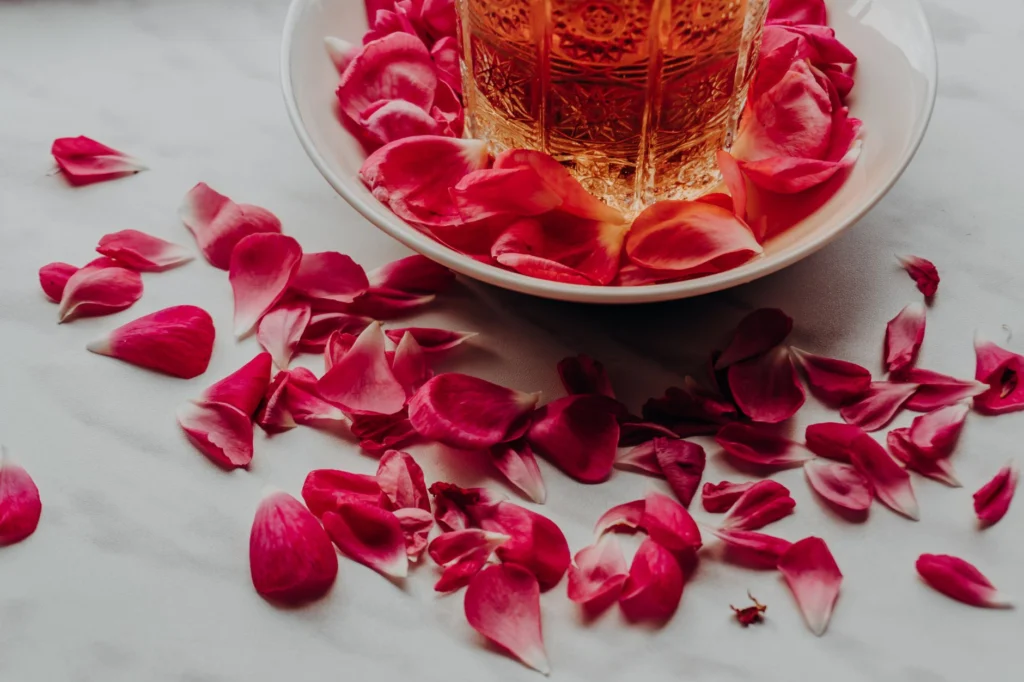
What Rose Vodka Is
Rose vodka is a neutral spirit flavored with rose petals, rose water, or rose extract. It is a small category rather than a standard style. Some bottles are distilled with petals, some are macerated and filtered, and some are botanical spirits that carry a rose note without being classic vodka. The best examples taste like clean vodka with a clear rose aroma, not like perfume or syrup.
1. How Rose Vodka Is Made
Most producers start with a neutral grain spirit. The rose character comes from one of three methods.
- Maceration: Fresh or dried food-grade petals steep in the spirit for hours to days. The producer tastes and strains before the floral note turns bitter or soapy.
- Distillation: Petals go into the pot still or a vapor basket. Distillation extracts lighter aromatics and can give a cleaner, more integrated rose flavor than simple steeping.
- Essence or extract: Rose water or a concentrated extract is added for consistency. This is common in larger-scale flavored vodka, but overdosing can make the spirit taste like hand soap.
Quality depends on the rose material, the dose, and the base spirit. A heavy-handed infusion can bury the vodka; a light one can disappear in a cocktail.
2. What Rose Vodka Tastes Like
Rose vodka usually smells of rose petals or rose water. On the palate it can show lychee, geranium, or a soft citrus peel note. Sweetness varies widely. Some producers add sugar or glycerin; others leave the spirit dry. A well-made bottle finishes clean, with the floral note fading rather than turning bitter. If the label says rose vodka, taste before mixing: the category ranges from delicate to intensely perfumed.
3. How to Serve Rose Vodka
Chill it well. Neat or over one large ice cube is the best way to judge whether the rose is balanced. For a simple highball, use 45 ml rose vodka, 90 ml soda, and a lemon twist. In a Martini, use rose vodka in place of plain vodka but keep the vermouth dry; a dash of rose water is enough. Rose vodka also works with light seafood, salads, and fruit desserts, but it clashes with heavy cream sauces and strongly smoked food.
4. Rose Vodka Cocktails with Ratios
- Rose Garden: 45 ml rose vodka, 15 ml elderflower liqueur, 20 ml lime juice, 3 cucumber slices. Muddle the cucumber, shake with ice, and strain into a chilled coupe. Garnish with a cucumber ribbon.
- Rose Collins: 45 ml rose vodka, 20 ml lemon juice, 15 ml simple syrup, soda water. Shake the first three ingredients with ice, strain into a Collins glass over ice, and top with soda. Garnish with a lemon wedge.
- Rose Gimlet: 50 ml rose vodka, 20 ml lime juice, 15 ml simple syrup. Shake with ice and strain into a chilled glass. Skip the rose petal garnish if the vodka is already strongly perfumed.
Keep citrus and dry botanicals in the mix. Sweet liqueurs and strong fruit juices can make rose vodka taste like candy.
5. Brands and What to Look For
Pure rose vodka is not widely distributed. Ketel One Botanical Grapefruit & Rose is a 30% ABV botanical spirit with a clear rose and grapefruit profile, not a classic 40% vodka. Belvedere and other clean neutral vodkas are better used as bases for home infusion than as rose vodkas themselves. Check labels for added sugar, artificial flavor, and the base spirit. Small distilleries are more likely to name the rose variety and production method.
6. Rose Vodka in the Flavored Vodka Market
Flavored vodka expanded sharply in the 1990s and 2000s, led by citrus, vanilla, and berry expressions. Rose remains a niche flavor. It is easy to overdo, and cheap versions often rely on artificial flavor that reads as soapy. A good rose vodka should still taste like vodka: clean, slightly viscous, and dry enough to mix. If the first impression is sugar or perfume, the bottle is probably better used as a cocktail modifier than as a sipping spirit.
7. Uses Beyond the Bar
Rose vodka can flavor desserts and syrups in small amounts. Add a tablespoon to a poaching syrup for pears or peaches, or brush a little onto a lemon cake before icing. It can also go into sorbet bases, where the alcohol keeps the texture soft. Do not use rose vodka to make candles or perfume. Those projects need different ingredients and carry safety and skin-irritation risks.
| Feature | Rose Vodka | Traditional Vodka |
|---|---|---|
| Flavor | Floral, rose water, sometimes lightly sweet | Neutral, clean |
| Aroma | Rose petals or rose water | Neutral, faint grain |
| Best use | Floral cocktails, spritzes, desserts | Martinis, mixed drinks, infusion base |
| Watch for | Soapy or perfumed overtones, added sugar | Little flavor variation |
FAQ
How should I store rose vodka?
Keep the bottle upright in a cool, dark place. An unopened bottle holds its quality for years. Once opened, finish it within about a year; the rose note fades before the alcohol does.
Can I make rose vodka at home?
Yes. Use 750 ml of clean neutral vodka and 2 to 4 tablespoons of dried food-grade rose petals. Steep in a sealed glass jar, taste every hour, and strain through a fine sieve or cheesecloth when the flavor is right. Oversteeping turns the spirit bitter and soapy. Use petals labeled for food use, not florist roses.
Is rose vodka safe for people with allergies?
If you are allergic to roses or other flowers, avoid it. Distillation may reduce allergens, but it does not guarantee a reaction-free product. Check the label and ask the producer about added botanicals or flavorings.
If your company or product is mentioned in this article, you're welcome to share it.


