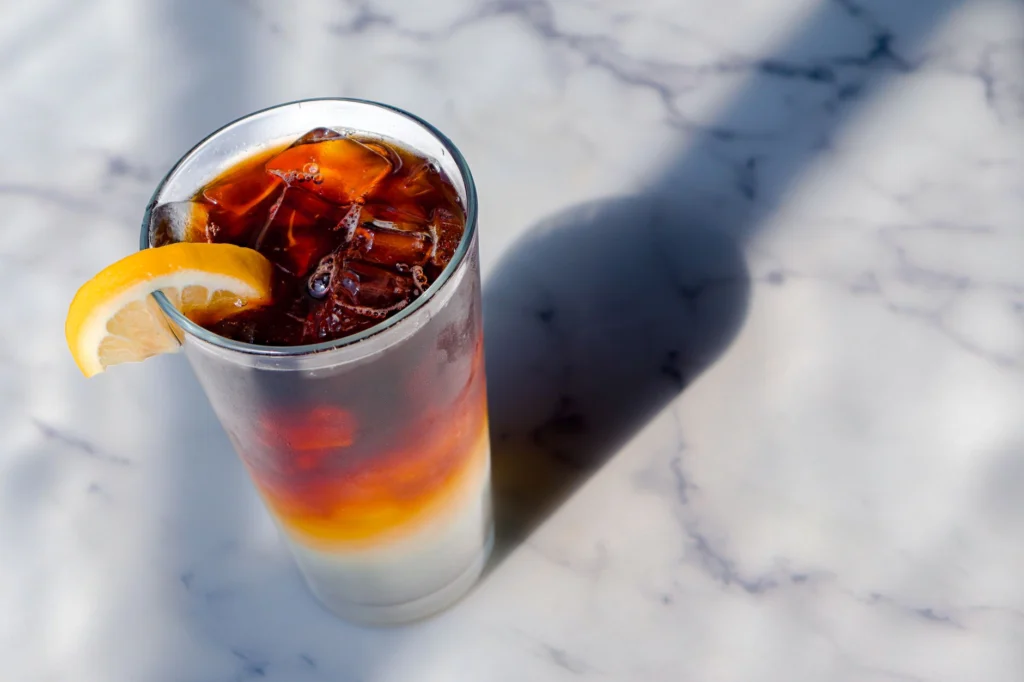
Iced Tea and Vodka: What Matters
Iced tea and vodka works because tea gives the drink structure and vodka adds strength without much flavor. The drink fails when the tea is weak, the syrup is heavy, or the ice melts before the first few sips. These are the choices that make a consistent glass.
1. Pick a clean vodka, not necessarily the most expensive
Vodka should support the tea, not dominate it. A multi-distilled vodka with a neutral finish is the safest choice. Grey Goose, Belvedere, and Ketel One are reliable premium options; Smirnoff and Absolut are dependable budget picks. Avoid vodkas with a sharp burn or heavy sweetness, because those flaws become more obvious when the drink is cold and lightly sweetened.
2. Brew the tea strong and cool it completely
Use twice the tea you would for drinking straight, then let it cool before mixing. For black tea, English Breakfast gives a malty base and Earl Grey adds citrus. Green tea, especially jasmine green, makes a lighter drink. Herbal teas work too: chamomile is soft and floral, while hibiscus is tart and brightly colored. Do not pour warm tea over ice and call it chilled; the dilution will flatten the drink.
3. Sweeten with simple syrup and start low
Simple syrup dissolves evenly in a cold drink. Make it with equal parts sugar and water, heat until the sugar dissolves, and cool. For a standard 8-ounce drink, start with 1/4 to 1/2 ounce of syrup and adjust. Honey, agave, or maple syrup can work, but they bring their own flavor. Fruit-flavored teas usually need less sweetener. If you use stevia or erythritol, add it in small amounts because the aftertaste can be noticeable.
4. Use a 3:1 ratio as your baseline
A reliable starting point is 3 parts iced tea to 1 part vodka. In a 12-ounce glass, that means about 6 ounces of tea, 2 ounces of vodka, and the rest ice and garnish. For a stronger drink, move to 2:1. For a lighter one, use 4:1. Strong black tea can handle more vodka; delicate green tea usually needs less. Add vodka gradually because it is much easier to add than to remove.
5. Chill everything and use large ice cubes
Keep the tea and vodka in the refrigerator before mixing. Use large ice cubes, which melt more slowly than small or crushed ice. If you want to avoid dilution entirely, freeze some of the brewed tea into ice cubes and use those in the glass. Crushed ice gives a slushier texture, but plan to drink it quickly.
6. Garnish for flavor, not just decoration
A lemon wedge adds acidity and brightness. Orange slices work with black tea; mint and cucumber suit green tea; berries add color and a little sweetness. A sugar rim is optional and can make the drink too sweet, so use it only with tart teas such as hibiscus. Choose a tall glass so the ice and garnish have room.
7. Try a few controlled variations
Add 1 to 2 ounces of cranberry, grapefruit, or pineapple juice for a fruit-forward drink, but reduce the syrup. Cucumber and mint make a clean, summery version. Ginger and lime add a sharper kick. A dash of orange bitters gives black tea more depth; grapefruit bitters work with green tea. Elderflower liqueur or amaretto can replace some of the syrup, but use them sparingly because they are sweet.
Quick reference
- Baseline: 6 ounces tea, 2 ounces vodka, 1/4 to 1/2 ounce simple syrup, large ice.
- Stronger: 4 ounces tea, 2 ounces vodka.
- Lighter: 8 ounces tea, 2 ounces vodka.
Common questions
Can I use bottled iced tea?
Yes, but choose an unsweetened or lightly sweetened brand and adjust the syrup. Bottled teas vary widely in sugar and preservatives, so taste before mixing.
What flavors work best?
Black tea with lemon and ginger, green tea with cucumber and mint, and hibiscus with lime and cranberry are reliable combinations.
How do I batch it for a party?
Mix the tea and syrup ahead and chill. Keep vodka separate so guests can choose their strength. For 12 servings at the 3:1 baseline, combine 72 ounces of tea with 24 ounces of vodka, then add ice and garnish in the serving glass. If you pre-mix with ice, it will dilute as it sits.
If your company or product is mentioned in this article, you're welcome to share it.