

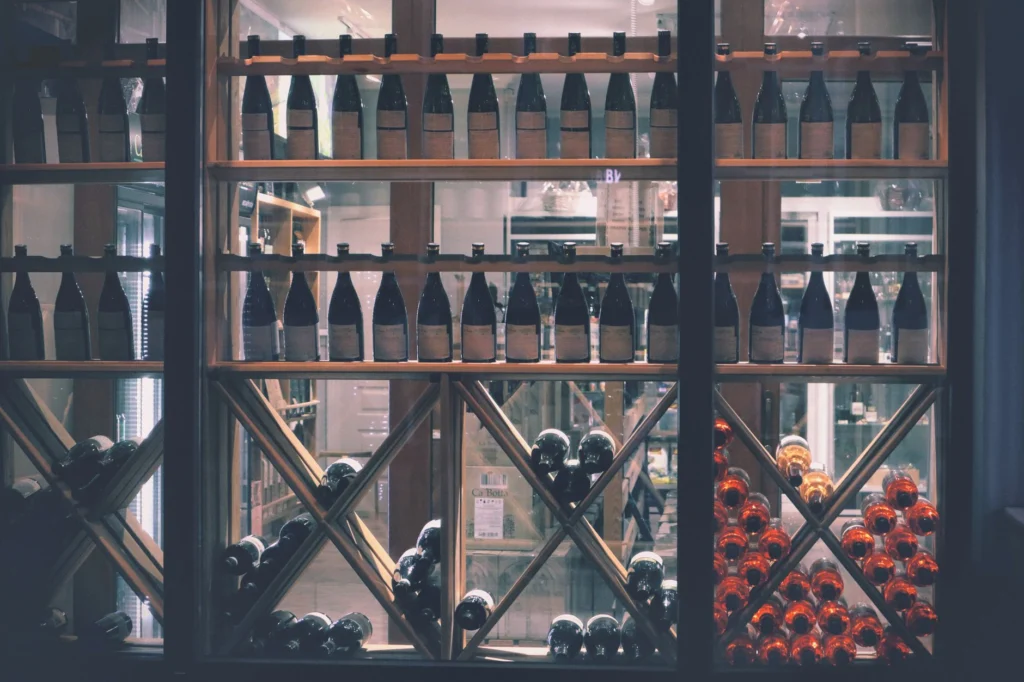
What Jenke Wine Is
Jenke is a Barossa Valley wine producer associated with biodynamic farming. The family grows grapes without synthetic fertilizers, pesticides, or herbicides and treats the vineyard as a working ecosystem rather than a monoculture. That means compost, natural preparations, and attention to soil life, not just a certification label.
1. The Jenke Family and the Barossa Valley
Jenke wine comes from the Barossa Valley in South Australia, a warm, dry region known for Shiraz and for old vines. The Jenke family has farmed there across generations and moved toward biodynamics as a way to keep the land productive and distinctive. The approach is hands-on: improve the soil, build biodiversity, and let the region’s climate and geology show in the grapes.
2. Biodynamic Farming Goes Beyond Organic
Organic farming avoids synthetic inputs. Biodynamics adds a whole-farm system: compost preparations made from manure, herbs, and minerals; a planting and spraying calendar tied to lunar and cosmic rhythms; and a focus on soil microbial activity. The point is not a single product but a balanced vineyard that can handle heat, drought, and pest pressure with fewer external inputs.
3. Terroir Is the Point
Barossa Valley terroir includes varied soils, elevation, and exposure. Biodynamic management aims to make those differences more visible in the glass, rather than smoothing them out with irrigation and fertilizer. Jenke’s wines are described as expressing place: dark fruit, spice, earth, and floral notes depending on variety and vintage, with a mineral edge that comes from healthy soils and restrained winemaking.
4. Cellar Work Is Restrained
In the cellar, Jenke follows a low-intervention model. Fermentation relies on native yeasts, and the wine is handled as little as possible before bottling. This is not an excuse for neglect. It requires clean fruit, careful monitoring, and patience, because native fermentations can be slower and less predictable than commercial yeast.
5. What the Wines Taste Like
Jenke wines tend to show depth and texture rather than simple fruit. Expect dark berries, spice, earth, and floral aromas in reds, with a smooth mid-palate and a long finish. The mineral note often linked to biodynamic farming is most obvious when the wine is not over-oaked or over-extracted. Serve them with enough air, especially in young vintages.
6. Sustainability Is Built Into the Farming
Jenke’s sustainability claims start in the vineyard: water conservation, biodiversity, and reduced reliance on synthetic inputs. Those practices matter in the Barossa, where heat and water are constant constraints. Buying Jenke supports a producer that treats environmental stewardship as part of quality, not a marketing add-on.
7. Where to Find Jenke Wine
Jenke is not a supermarket brand. Look for it at independent wine shops, farmers’ markets, and online retailers that specialize in organic and biodynamic wine. Prices are usually higher than conventional Barossa wines because biodynamic farming is more labor-intensive and yields can be lower. Ask a retailer who knows the producer for current availability and vintage information.
Jenke Wine Compared With Conventional Wine
| Feature | Jenke Wine | Conventional Wine |
|---|---|---|
| Farming | Biodynamic, no synthetic fertilizers, pesticides, or herbicides | May rely on synthetic inputs |
| Soil management | Compost and biodynamic preparations | Can depend on fertilizer programs |
| Pest control | Biodiversity and natural methods | May use synthetic pesticides |
| Fermentation | Native yeasts | May use commercial yeasts |
| Cellar work | Low intervention | Can involve more manipulation |
| Flavor | Terroir-driven, with earth and mineral notes | Can be more uniform |
| Sustainability | Central to the farming system | Varies by producer |
Why Biodynamic Wine Matters
Jenke is part of a broader shift in wine toward farming that treats soil, water, and biodiversity as long-term assets. For drinkers, the appeal is not mysticism. It is the chance to taste a specific place with fewer winemaking additions. For growers, biodynamics is a practical framework for managing vineyards in a changing climate. Jenke’s Barossa Valley wines are one entry point into that world.
FAQ About Jenke Wine
What makes Jenke wine different from organic wine?
Organic certification focuses on prohibited inputs. Biodynamic farming includes those restrictions but adds compost preparations, a lunar-based calendar, and a whole-farm approach to soil health and biodiversity. Jenke uses biodynamic practices in the vineyard and low-intervention methods in the cellar.
Where can I buy Jenke wine?
Check independent wine shops, farmers’ markets, and online retailers that focus on organic and biodynamic wine. Availability varies by region and vintage, so ask the retailer for current stock rather than relying on a static list.
What should I pair with Jenke wine?
For reds, try roasted meats, game, mushroom dishes, and aged cheeses. The earthy and spicy notes in Barossa reds work well with slow-cooked lamb, grilled sausages, and lentil or mushroom stews. Lighter styles may suit poultry and vegetable dishes.
If your company or product is mentioned in this article, you're welcome to share it.


