Start with the specials, not the printed menu
At a Boatshed restaurant, the printed menu is the baseline. The specials board is where the kitchen tells you what is actually fresh: the fish that came in that morning, the produce the chef bought in quantity, the dish the line cooks are excited to send out. Ask your server what is on the board before you settle on a familiar order. If the special uses a fish you do not know, ask how it is cooked and what comes with it. That one question often separates a good meal from a forgettable one.
What first-timers tend to miss
Most disappointing Boatshed meals do not come from bad cooking. They come from diners making avoidable choices. The common ones:
- Ignoring the specials. The printed menu has to be reliable every day. The specials board can be more specific to the season and the day’s delivery.
- Not asking about preparation. Grilled fish can mean a fillet cooked simply or a whole fish with bones and head on. Ask before you order if that matters to you.
- Choosing wine by label alone. A wine you recognize is not automatically the best match for oysters, grilled fish, or a creamy risotto.
- Waiting until the food arrives to mention dietary needs. Tell the server when you sit down. Sauces, stocks, and dressings often contain ingredients you might not expect.
- Ordering the same safe dish every visit. If you always get the seafood platter, you will never find out whether the kitchen does a better job with a whole grilled fish or a simple plate of local mussels.
How regulars order
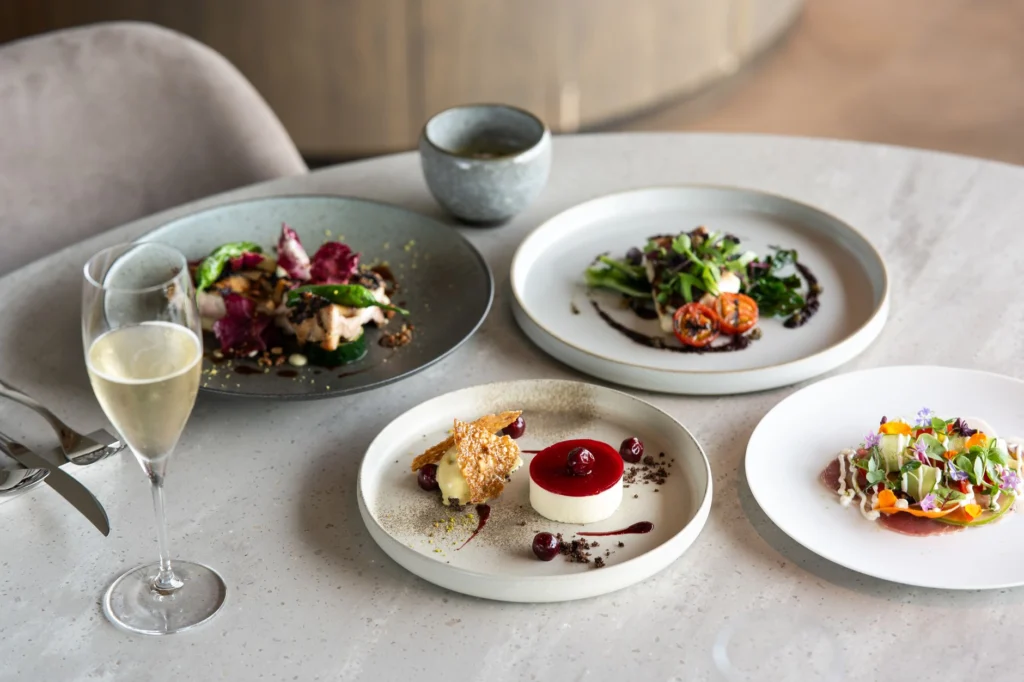
Regulars treat the menu as a conversation. They ask which fish is best that day, whether the oysters are from a named estuary or farm, and how the kitchen handles the special. They also order across the menu instead of stacking three rich dishes in a row. A light starter, a simply cooked fish, and one shared side usually work better than a fried starter, a creamy pasta, and a heavy dessert. If you want the lobster risotto, order it as a main and keep the starter clean. If you want the seafood platter, share it and add a salad or vegetables.
Wine pairing without the performance
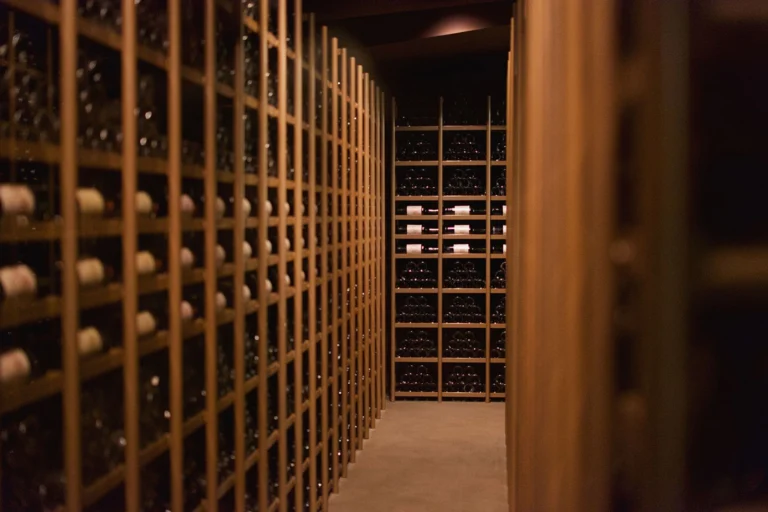
Boatshed wine lists usually lean toward seafood-friendly whites, light reds, and local bottles. You do not need to memorize pairing rules. Use these practical checks:
- Match weight to weight. Oysters and delicate white fish do better with crisp, light whites. Grilled meat and rich risotto can handle fuller whites or light reds.
- Use acidity with fried or rich food. A high-acid white cuts through battered fish, chips, and buttery sauces better than a soft, oaky wine.
- Ask about by-the-glass options. If you are ordering several courses, a glass that fits each course can work better than committing to a bottle that only suits one dish.
- Ask the staff what sells with the special. They know which bottles guests order alongside the fish of the day. That is more useful than a generic pairing chart.
Dishes worth checking at a Boatshed
Menus vary by location, but these are the dishes to use as a test of the kitchen:
- Oysters. Ask where they are from and whether they are served natural or dressed. A good Boatshed will know the provenance.
- Grilled fish. Ask for the catch of the day and whether it is available as a fillet or whole fish. Simple grilling exposes poor handling, so it is a useful benchmark.
- Seafood platter. Confirm what is included and whether it is built for sharing. Platters can be excellent value or a pile of filler depending on the kitchen.
- Lobster risotto. This is a rich dish. Ask how much lobster is in it and whether it can be ordered as a half portion if you are having a starter.
- Local wine. Ask for a bottle from the nearest wine region and let the staff steer you toward something that fits your meal.
The room matters
Many Boatshed restaurants sit on or near the water. If the view is part of the reason you booked, ask for a water-facing table when you reserve, not after you are seated. A late lunch is often calmer than dinner service. If you are booking for a group, confirm whether the table is inside or outside and whether the seafood platter needs to be ordered ahead. These details affect the meal more than most menu advice.
First-timer vs regular: a quick comparison
| Decision | First-timer | Regular |
|---|---|---|
| Specials | Skims the board or ignores it | Asks what is fresh and orders from it |
| Staff questions | Sticks to the printed description | Asks about preparation, provenance, and portion size |
| Wine | Picks by label or price | Asks what works with the fish or special |
| Dietary needs | Mentions them when the plate arrives | Raises them at the start of the meal |
| Ordering | Stacks rich dishes | Balances light and rich courses |
| Result | Hits or misses by chance | Gets a meal that fits the day and the kitchen |
FAQ
How do I find out about daily specials?
Check the restaurant’s website or social media before you go, but treat the board in the room as the final word. Ask your server which special is selling best and why. That usually tells you what the kitchen is proud of that day.
I have dietary restrictions. What should I do?
Tell the server when you are seated. Ask specifically about stocks, sauces, dressings, and frying oil if you have allergies or avoid certain ingredients. Most Boatshed kitchens can adjust a dish, but they need notice before the order goes to the pass.
How do I choose wine if I do not know the list?
Start with the dish, not the grape. For oysters and delicate fish, ask for a crisp white. For grilled fish with butter or a creamy risotto, ask for a fuller white. For grilled meat, ask for a light red. If you are ordering by the glass, ask the staff to match each course. If you are ordering a bottle, tell them the whole order and let them suggest one bottle that will work across the table.
What should I order at a Boatshed if I want to judge the kitchen?
Order the special fish, simply grilled, and a plate of oysters if they are available. Those dishes leave nowhere to hide. If both are good, the kitchen is handling its seafood well. Add one cooked dish, such as the risotto or a seafood platter, to see how it handles richer preparations.
If your company or product is mentioned in this article, you're welcome to share it.