Why temperature matters
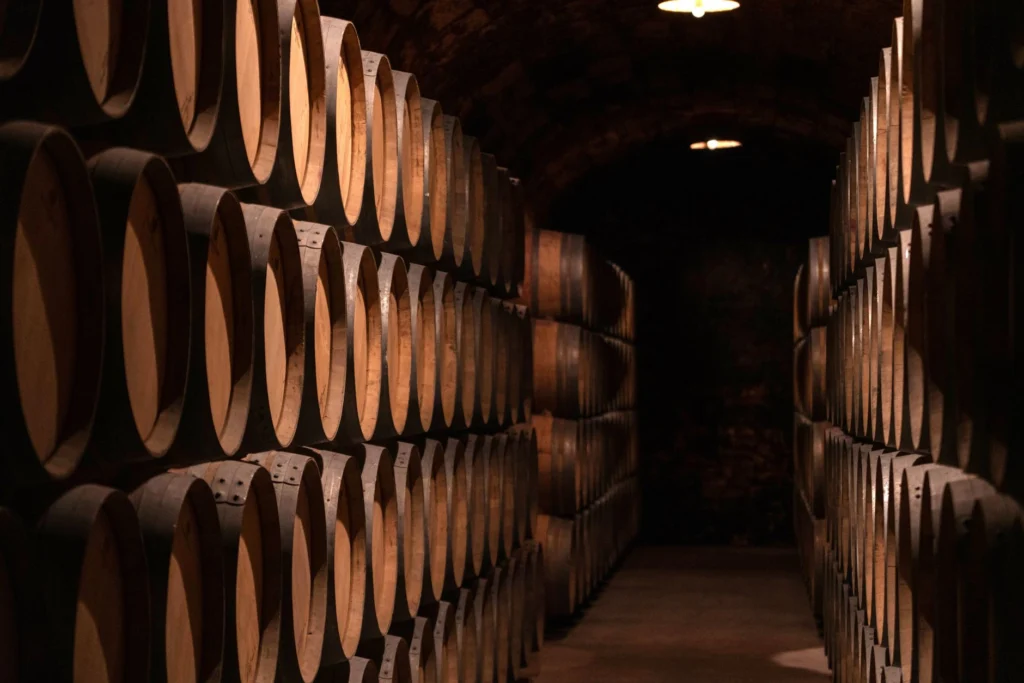
Wine is a chemical system. Heat speeds the reactions that age wine, and large temperature swings push wine in and out of the cork. For long-term storage, the target is a steady 12 to 14 C (54 to 57 F). Short-term storage can tolerate up to about 18 C (64 F), but consistency matters more than a single perfect reading.
Common amateur mistakes
Kitchen counter
Ovens, dishwashers, and sunlight create temperature swings. A bottle left there for weeks can age faster than intended and lose freshness.
Regular refrigerator
A fridge is fine for a bottle you will drink within a few days, but it is usually too cold and too dry for long-term storage. It can dry the cork and pick up odors. Vibrations also disturb sediment.
Closet
A dark closet helps with light, but closets often share walls with heated rooms and have poor air circulation. Daily swings cause expansion and contraction, which can weaken the cork seal.
What professionals control
Temperature
Long-term storage: 12 to 14 C (54 to 57 F). Short-term: up to 18 C (64 F). Avoid rapid changes. A thermometer is more useful than guessing.
Humidity
Keep relative humidity around 50 to 70 percent. Low humidity dries corks. High humidity encourages mold on labels and storage materials. Use a hygrometer and fix the room, not each bottle.
Light and vibration
UV light degrades wine, so store in darkness or use opaque or UV-blocking storage. Keep bottles away from washing machines, compressors, and speakers. Vibrations keep sediment suspended and can affect long aging.
Position
Store bottles horizontally so wine stays in contact with the cork. This is especially important for natural cork closures.
Storage temperature by wine type
The 12 to 14 C range works for most long-term storage. Serving temperatures are different: lighter whites are often served at 8 to 12 C (46 to 54 F), and fuller reds at 14 to 18 C (57 to 64 F). Do not confuse a serving target with a cellar target.
Short-term versus long-term
If you will drink a bottle within a few weeks, a cool, dark spot at 16 to 18 C (61 to 64 F) is usually acceptable. For bottles you plan to hold for months or years, use a steady 12 to 14 C (54 to 57 F) and control humidity. The longer the planned aging, the less room there is for fluctuation.
Practical setup
- Put a thermometer and hygrometer in the storage area and check them weekly.
- Keep bottles horizontal and away from sunlight.
- Do not store wine above a refrigerator, oven, boiler, or laundry machine.
- Use a dedicated wine fridge for long-term collections. Look for low-vibration cooling and stable temperature control.
- For small collections, a basement corner or under-stair space can work if it stays cool, dark, and stable. Test it for a week before trusting it.
The science in brief
Higher temperatures accelerate oxidation and other chemical reactions, so wine can taste tired or cooked. Temperature also changes gas solubility: warm conditions drive carbon dioxide out of sparkling wine. In red wine, warmth can make tannins feel rougher, while cooler storage helps preserve freshness. The goal is not a single magic number. It is a stable environment that slows unwanted aging.
Pro versus amateur comparison
| Factor | Amateur setup | Pro setup |
|---|---|---|
| Temperature | Fluctuating; often too warm or too cold | Steady 12 to 14 C (54 to 57 F) for long-term storage |
| Location | Kitchen counter, fridge, closet | Wine cellar, wine fridge, or tested cool dark space |
| Humidity | Unmeasured | 50 to 70 percent, monitored |
| Vibration | Near appliances | Isolated from compressors and heavy equipment |
| Light | Exposed to sun or bright room light | Dark or UV-protected |
FAQ
What is the ideal storage temperature for red wine?
For long-term storage, 12 to 14 C (54 to 57 F). For serving, fuller reds are often served at 14 to 18 C (57 to 64 F).
Can I use a regular refrigerator?
For a few days, yes. For months, no. A regular fridge is usually too cold, too dry, and too vibration-prone for long-term wine storage.
How important is humidity?
It matters mainly for cork closures. Aim for 50 to 70 percent relative humidity. Below that, corks can dry. Above that, mold becomes a risk.
Does temperature fluctuation matter more than the exact temperature?
Often yes. A steady 14 C is safer than a cabinet that swings from 8 to 22 C. Large swings stress the closure and speed uneven aging.
If your company or product is mentioned in this article, you're welcome to share it.