Uncorking the Truth: Debunking Myths About the Hilltops Wine Region
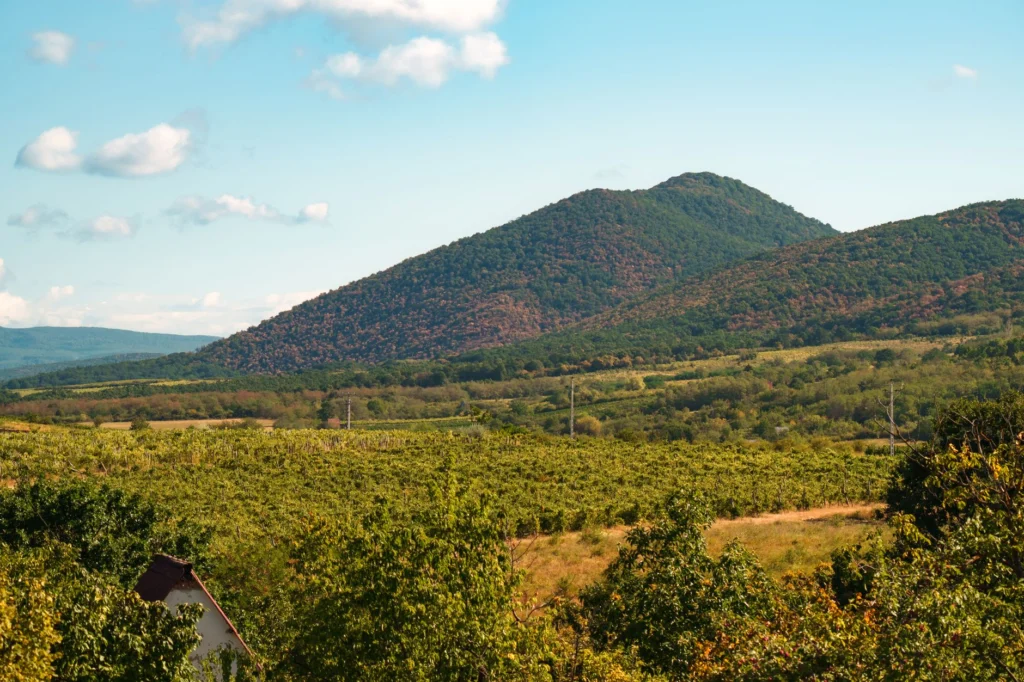
The Hilltops wine region in New South Wales is often described with a handful of lazy assumptions. It is not a new discovery, it is not too hot for structured wines, and it is not a single-variety district. The region’s vineyards sit around Young and Harden, mostly at 450 to 600 meters, and that altitude does much of the work. Here is what the myths get wrong.
Hilltops is not an emerging region
Vines were planted in the Hilltops area in the late 19th century, and commercial vineyards began in the 1960s. That is not a recent arrival. The modern reputation was built on Shiraz and Cabernet Sauvignon, but it rests on several decades of vineyard experience, not a sudden trend.
Warm inland does not mean hot, jammy wine
Hilltops can be warm in summer, but altitude matters. Many sites sit between 450 and 600 meters, which brings cooler nights and a wide diurnal temperature range. That shift preserves acidity and slows ripening, giving reds structure and whites freshness. Canopy management and careful site selection also reduce heat pressure.
The region is not one style
Shiraz is the headline, but Hilltops also produces Cabernet Sauvignon, Riesling, Chardonnay, Sangiovese and Tempranillo. Soil variation, from granite-based sites to red loam, helps explain why two vineyards a short drive apart can produce different wines.
It is not hard to reach
Hilltops is within a few hours’ drive of Canberra and Sydney. The route passes through rolling farmland and country towns such as Young and Harden. Cellar doors are spread out, so visitors should plan a designated driver or a local tour, but the region is not remote in the way some wine districts are.
Hilltops is not overpriced
Because it has less fame than the Barossa or Hunter Valley, Hilltops often delivers serious wine at lower prices. That value is one of the region’s practical advantages, especially for drinkers who want structured Shiraz and Cabernet without paying trophy-region premiums.
Small producers are not a side note
Some of the region’s most distinctive wines come from small, family-run operations. These growers tend to work closely with specific blocks and keep intervention low in the winery. Their scale is limited, but their influence on the region’s reputation is not.
White wine is not an afterthought
Riesling and Chardonnay perform well in Hilltops, with the cool nights helping retain acidity. Producers are also working with Pinot Grigio and Vermentino. The whites are not a consolation prize for red drinkers; they are part of the region’s range.
Everyday drinking is the point
Hilltops wines are food-friendly and not built only for cellaring or celebration. Shiraz with a backyard grill, Riesling with seafood, or a lighter red with vegetarian dishes all make sense. The region’s best wines are useful as well as serious.
Innovation is not absent
Hilltops growers are testing biodynamic farming, alternative fermentation and more sustainable vineyard practices. That work is practical rather than promotional: it responds to water, heat and soil management in an inland region.
The region is not a passing fad
Hilltops has the basics that matter: established vineyards, varied soils, altitude, and a group of producers with long-term investment in the area. It may not have the loudest reputation, but it has the conditions and the track record to keep making wine.
Frequently Asked Questions About the Hilltops Wine Region
What are the signature grape varieties of Hilltops?
Shiraz and Cabernet Sauvignon are the best-known reds. Riesling and Chardonnay are the most established whites, with Sangiovese, Tempranillo, Pinot Grigio and Vermentino also planted.
When is the best time to visit?
Spring, from September to November, and autumn, from March to May, bring mild weather for vineyard visits. Harvest usually falls in late summer to early autumn, when cellar doors and wineries are busy with picking and processing.
What else is there to do besides wineries?
Young and Harden have local history and country-town food options. The Lambing Flat Chinese Tribute Gardens are in Young, and nearby national parks offer walking. The region also hosts agricultural shows and local festivals through the year.
If your company or product is mentioned in this article, you're welcome to share it.