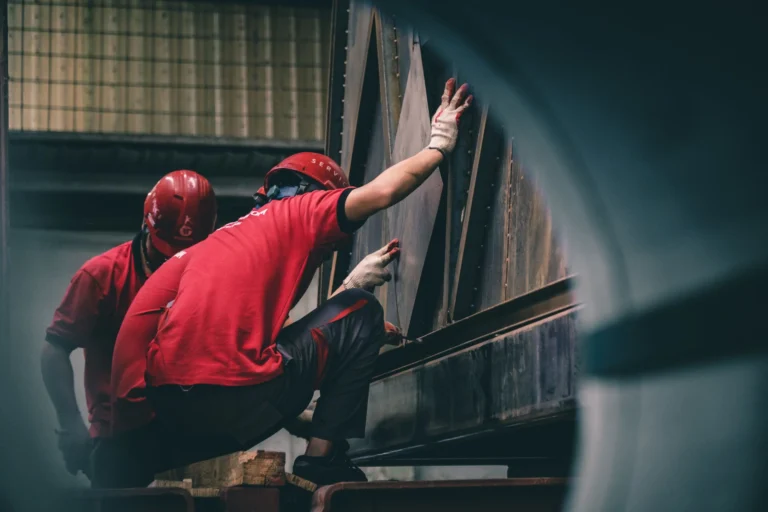
“Task masking” is the most performance-based of the new wave of workplace-trend terms — see the full glossary of six terms reshaping work in 2026 — and it’s arguably the one most directly caused by AI-era layoff anxiety rather than general dissatisfaction. Here’s what it actually means and why it’s spreading fast, especially among Gen Z.
What task masking actually means
Task masking is the practice of appearing intensely engaged and productive at work while actually accomplishing comparatively little — a deliberate, carefully curated performance of busyness aimed at satisfying whoever’s watching, whether that’s a manager walking the floor or a screen-monitoring tool. It’s not the same as slacking off in private; the entire point of task masking is visibility. Common tactics reported by workers on TikTok and covered in trade press include rushing around the office with purpose, typing loudly and constantly, checking email conspicuously often, and scheduling meetings that don’t need to happen just to appear booked.
Where the term came from
The careers platform career.io coined the term, tying it directly to a specific, measurable pattern: task masking has increased in step with time spent physically in the office, meaning it’s tightly linked to return-to-office mandates rather than remote work generally. From there it spread fast through Fortune, IT Pro, HCAmag, and a wave of TikTok content from young professionals swapping specific tactics for looking engaged while doing the bare minimum.
Why it’s concentrated in Gen Z
The behavior isn’t evenly distributed — it’s disproportionately a Gen Z phenomenon, and the reporting is specific about why. Companies mandating a return to the office are implicitly sending the message that physical presence equals productivity, a message many younger professionals reject outright, believing that time spent visibly “at work” isn’t the same thing as actual outcome or impact. Layered on top of that philosophical disagreement is real fear: Gen Z workers are specifically concerned about being laid off or replaced by AI, and performing visible busyness becomes a defensive strategy against that risk, independent of whether it improves actual output.
How it fits the wider pattern
Task masking is a close cousin of job hugging — both are defensive behaviors adopted by workers who’ve concluded that leaving isn’t a safe option, so the priority shifts to protecting the job they already have rather than pursuing a better one. It also overlaps meaningfully with coffee badging, since both are specifically reactions to return-to-office mandates rather than remote work culture broadly — coffee badging resists the mandate by minimizing real time in the office, while task masking complies with it but hollows out what that time actually produces. Both trace back to the same root cause documented in our own reporting on AI’s real effect on hiring across generations: a labor market where AI-linked layoffs are real, current, and disproportionately affecting the same younger workers now performing visible busyness to avoid becoming the next one cut.
The genuine risk underneath the trend
Task masking is a rational individual response to a real, documented threat, but it carries a real cost that’s easy to miss: performing productivity instead of measuring it can hide exactly the kind of low-value, misdirected work that makes a team or company genuinely vulnerable — a point raised directly in Atlassian’s own analysis of the trend, which frames widespread task masking less as a worker failure and more as a signal that a company is measuring the wrong thing in the first place. If presence and visible activity are what get rewarded, task masking is simply management’s own incentive structure working exactly as designed.
The takeaway
Task masking isn’t dishonesty for its own sake — it’s a specific, named response to two real pressures landing at once: return-to-office mandates that reward visible presence, and AI-linked layoff fear that makes visible productivity feel like the only real job security left. Whether or not the term itself lasts, the underlying incentive mismatch it’s pointing at — companies measuring presence while workers optimize for the appearance of output — is a genuine structural problem, not a generational complaint.
See also: Job Hugging, Coffee Badging, and the full workplace trends glossary.