What Dolce Rosso Is
Dolce Rosso means sweet red in Italian. It is not a single regulated wine category like Barolo or Chianti Classico. The name describes a style: a red wine with noticeable residual sugar, usually made in Italy from grapes such as Lambrusco, Brachetto, or local red varieties. Because the term is broad, sweetness and quality vary by producer. Check the label for residual sugar, grape variety, and region rather than assuming every bottle tastes the same.
How the Sweetness Gets There
Winemakers make sweet red wine by stopping fermentation before yeast converts all grape sugar to alcohol, or by blending unfermented grape juice, called süssreserve, back into the wine. The first method leaves natural grape sugar and often lower alcohol. The second gives the winemaker more control over sweetness and acidity. Both methods can produce fresh red fruit flavors, but the best examples keep enough acidity to avoid tasting syrupy.
- Grapes: Lambrusco brings tart cherry and foam; Brachetto brings rose and raspberry notes.
- Fermentation: Chilling or filtering yeast early stops fermentation and preserves sugar.
- Balance: Acidity is as important as sugar. Without it, the wine feels heavy.
Tasting Notes
Expect cherry, raspberry, strawberry, and sometimes violet or baking spice. Most Dolce Rosso is light to medium in body with soft tannins and moderate alcohol. Sweetness ranges from off-dry to quite sweet. A good bottle has a clean finish, not a cloying one. If you see ‘amabile’ on an Italian label, it usually means off-dry or medium-sweet; ‘dolce’ points to a sweeter style.
Buying a Bottle
Since Dolce Rosso is a style rather than a guarantee, producer reputation matters. Look for the grape, region, and sweetness level on the back label. Lambrusco di Sorbara tends to be lighter and more acidic; Brachetto d’Acqui is aromatic and sweet with low alcohol. For a first bottle, choose a producer that lists residual sugar or uses terms like amabile or dolce clearly. Avoid bottles with no technical information if you care about sweetness level.
Serving
Serve Dolce Rosso at about 55 to 60°F (13 to 16°C). That is cooler than a big red but not ice cold. A standard wine glass or a smaller dessert wine glass works well; a huge bowl can make the fruit aromas feel diffuse. Pour a modest amount and let the wine sit for a minute. If it tastes flat, a slight chill can sharpen the acidity.
Food Pairing
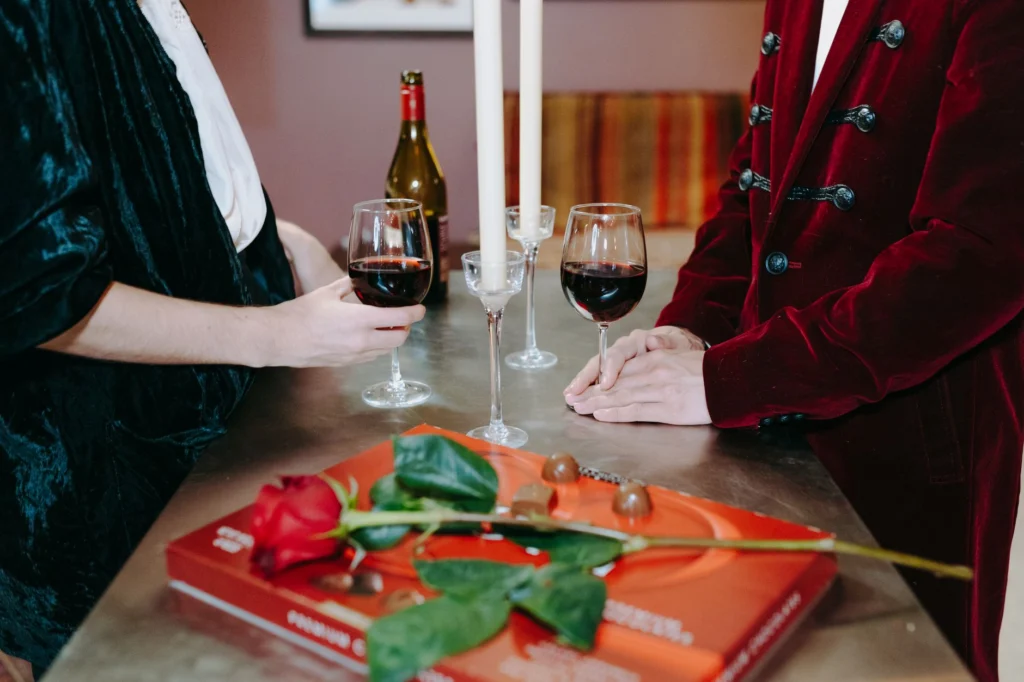
The wine’s sugar and acidity make it useful with food. It handles chocolate desserts, fruit tarts, and almond biscotti. It also works with blue cheese such as Gorgonzola or Roquefort, where sweetness balances salt and fat. For savory food, try it with spicy Thai or Sichuan dishes; the sweetness cools heat while the fruit echoes the food’s aromatics. Avoid very delicate seafood, which can be overwhelmed.
- Desserts: chocolate cake, cherry tart, almond biscotti.
- Cheese: Gorgonzola, Roquefort, ripe Brie.
- Savory: Thai curry, Sichuan pepper dishes, Indian appetizers with tamarind or chutney.
Cocktails
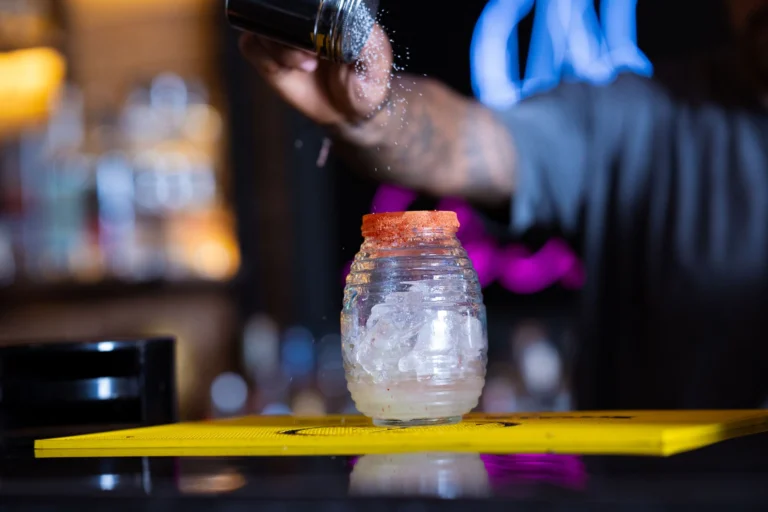
Dolce Rosso works in drinks that need fruit and sweetness. A simple spritzer with sparkling water and a lemon twist is the easiest option. For sangria, combine it with chopped orange, apple, and a small amount of brandy; let it sit for 20 minutes before serving. A Dolce Rosso Royale adds a splash to Prosecco, but use less than you think because the wine is already sweet. Treat it like a sweet vermouth substitute in low-proof cocktails and adjust the sugar in the recipe.
Storage
Store bottles in a cool, dark place with a steady temperature between 50 and 65°F (10 and 18°C). Keep them away from sunlight and radiators. If the bottle has a natural cork, store it horizontally so the cork stays moist. Dolce Rosso is not a long-aging wine. Drink most bottles within a year or two of the vintage to keep the fruit fresh. After opening, refrigerate the bottle and finish it within a few days.
Dolce Rosso Compared with Other Sweet Wines
Dolce Rosso is one sweet wine among many. Moscato d’Asti is lighter, fizzy, and floral, with lower alcohol. Sauternes is a French botrytized wine with honey, apricot, and caramel notes and much more body. Port is fortified and stronger. The table below gives a quick comparison.
| Wine | Sweetness | Main flavors | Body | Pairing |
|---|---|---|---|---|
| Dolce Rosso | Off-dry to sweet | Cherry, raspberry, strawberry | Light to medium | Chocolate, blue cheese, spicy food |
| Moscato d’Asti | Sweet, low alcohol | Peach, grape, orange blossom | Light | Fruit salads, light pastries |
| Sauternes | Very sweet | Honey, apricot, caramel | Full | Foie gras, blue cheese |
| Port | Sweet, fortified | Dried fruit, nuts, chocolate | Full | Dark chocolate, walnuts |
Alcohol and Health
Red wine contains polyphenols such as resveratrol, but health claims about wine are often overstated. No health organization recommends starting to drink for health benefits. If you drink, keep it moderate and follow local guidance. Excessive alcohol causes harm.
FAQ
What temperature should I serve Dolce Rosso?
About 55 to 60°F (13 to 16°C). A light chill brings out freshness without numbing the fruit.
Can Dolce Rosso age?
Usually no. Most bottles are made to be drunk young, within one or two years of the vintage, while the fruit is fresh.
What desserts pair with Dolce Rosso?
Chocolate cake, fruit tarts, almond biscotti, and panna cotta are reliable choices. The wine’s sweetness should match or slightly exceed the dessert’s sweetness.
Is Dolce Rosso always sparkling?
No. Lambrusco versions are often sparkling or semi-sparkling, but still Dolce Rosso can be made as a quiet wine. Check the label for frizzante or spumante if bubbles matter to you.
If your company or product is mentioned in this article, you're welcome to share it.