Rioja Wine Red: Uncorking the Myths and Revealing the Truth
Rioja red wine is Spain’s best-known red, but it is often described in broad strokes. The region is not one style. Its three subregions, grape mix, and aging rules produce wines that range from fresh and fruity to structured and long-lived. Here is what the common myths miss.
Myth 1: All Rioja is the same
Rioja is divided into three main subregions, and each gives a different shape to the wine.
- Rioja Alta: Western, higher-elevation vineyards with cooler conditions and clay-limestone soils. The wines tend to be elegant and aromatic, often with noticeable oak aging.
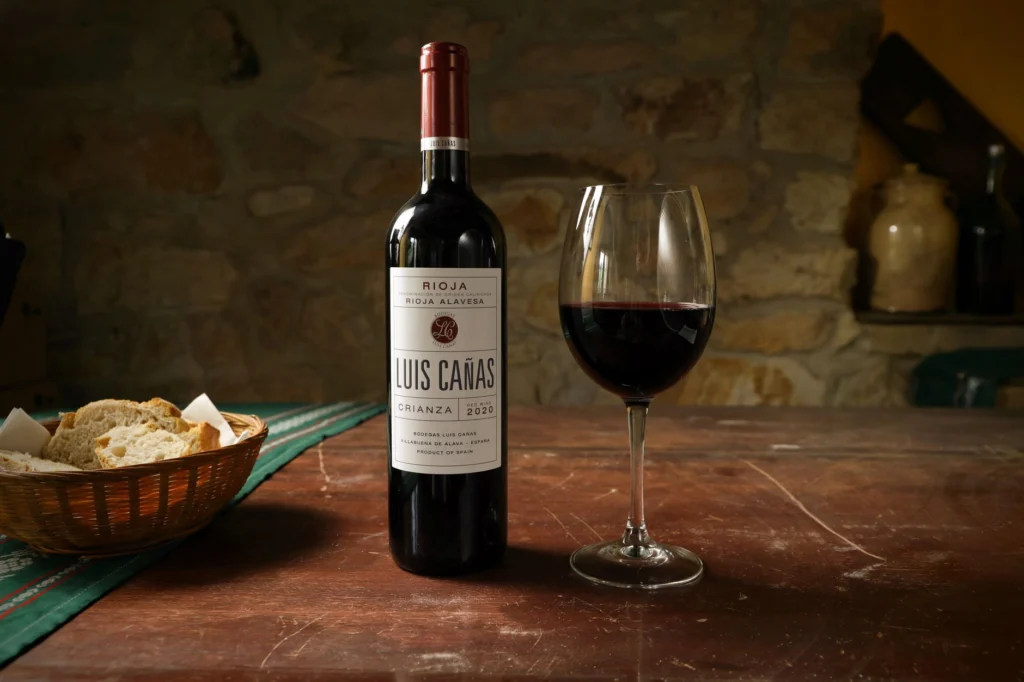
- Rioja Alavesa: Northern vineyards with chalky soils and milder temperatures. The reds are usually lighter-bodied, fruit-forward, and marked by vibrant acidity.
- Rioja Oriental: Eastern Rioja, formerly Rioja Baja, with a warmer, drier climate and alluvial soils. The wines are fuller-bodied, riper in fruit, and higher in alcohol.
Tempranillo is the main red grape, but Garnacha, Graciano, and Mazuelo are also used in blends. A Crianza from Rioja Alavesa and a Gran Reserva from Rioja Alta can be very different wines.
Myth 2: Rioja is always old
Rioja makes both young wines and long-aged wines. The aging labels set minimums, not a requirement that every bottle spend years in a cellar.
- Joven: Little or no oak, released young, and meant to be drunk fresh and fruity.
- Crianza: At least 2 years total aging, with at least 1 year in oak.
- Reserva: At least 3 years total aging, with at least 1 year in oak and 6 months in bottle.
- Gran Reserva: At least 5 years total aging, with at least 2 years in oak and 2 years in bottle. These are made only in exceptional vintages.
A young Rioja or Crianza can be ready on release. A Gran Reserva may improve with more bottle age, but it is already aged when sold.
Myth 3: Rioja must be expensive to be good
Top Rioja can be expensive, but value is common. Crianza and joven wines from family-owned bodegas often deliver fresh fruit and balance at modest prices. Lesser-known villages and younger producers can also be good sources. Look at the producer, vintage, and aging label rather than the price tag alone.
Myth 4: Rioja is only for red meat
Rioja’s range makes it more flexible than the old red-meat rule suggests. Lighter Rioja Alavesa wines work with tapas, grilled chicken, mushrooms, and some seafood. Fuller Rioja Alta wines suit lamb, roasted beef, stews, and paella. A Gran Reserva can pair with hard cheese, cured meats, or dark chocolate. Match the wine’s body, acidity, and tannin to the dish.
Myth 5: Rioja is difficult to understand
The labels are more useful than intimidating once you know the basics. Start with the aging terms, then compare a Crianza with a Reserva from the same producer. Ask a wine shop for a Rioja Alavesa and a Rioja Alta side by side. Tasting two bottles against each other teaches more than memorizing scores.
Subregions at a glance
| Feature | Rioja Alta | Rioja Alavesa | Rioja Oriental |
|---|---|---|---|
| Climate | Cooler, higher elevation | Milder | Warmer, drier |
| Soil | Clay-limestone | Chalky | Alluvial |
| Wine style | Elegant, aromatic, often oak-aged | Lighter-bodied, fruit-forward, acidic | Fuller-bodied, higher alcohol, ripe fruit |
The future of Rioja red
Rioja is changing without abandoning tradition. More producers are farming organically or biodynamically, and site-specific labeling has become more common, including village and single-vineyard wines. Winemakers are also refining oak use and experimenting with co-ferments and less extracted styles. The result is a wider range of Rioja than the old stereotypes allow.
Conclusion
Rioja red is not one wine. It is a region with distinct subregions, grape blends, and aging levels. Once you know those differences, the bottles become easier to choose and more rewarding to drink.
Frequently Asked Questions
What is the best temperature to serve Rioja red?
Serve it at about 60 to 65°F, or 15 to 18°C. Too cold mutes the aromas; too warm makes the alcohol stand out.
How long can I age a bottle of Rioja?
It depends on the aging label and vintage. Crianza is usually best within 5 to 8 years of the vintage. Reserva can age for 8 to 12 years. Gran Reserva from a strong vintage can age for 15 years or more.
What foods pair well with Rioja red?
Lighter Rioja works with tapas, grilled chicken, mushrooms, and some seafood. Fuller Rioja suits roasted meats, stews, and paella. Gran Reserva can pair with hard cheese, cured meats, or dark chocolate.
If your company or product is mentioned in this article, you're welcome to share it.