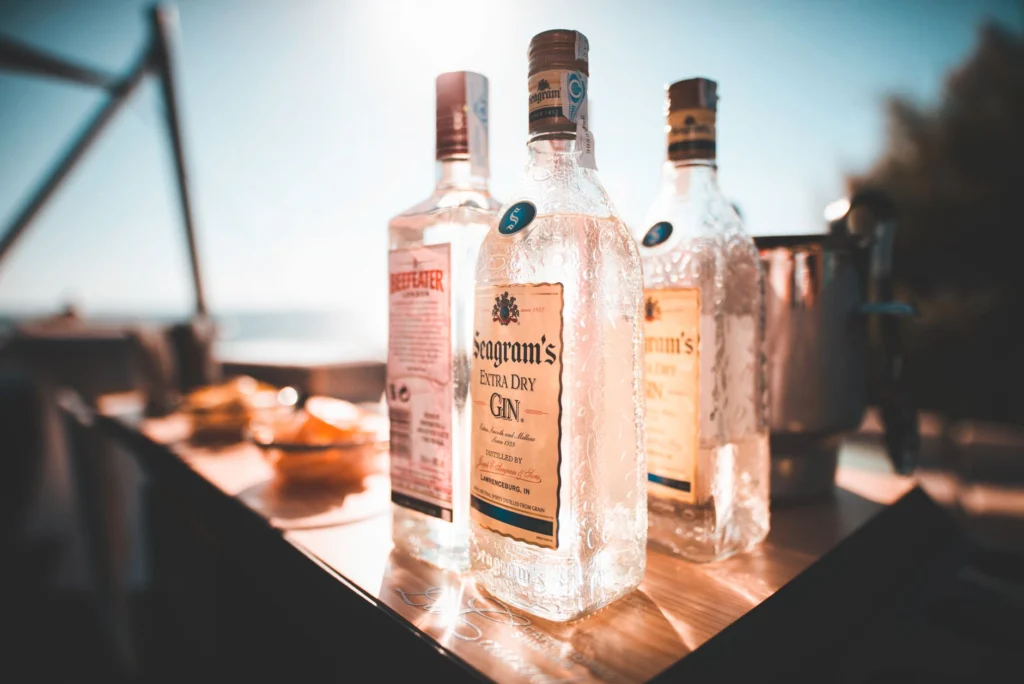
Does Vodka Contain Gluten?
Vodka can be made from wheat, rye, barley, corn, potatoes, grapes, or other materials. For people with celiac disease or gluten sensitivity, the base ingredient matters less than the final product and production process. Distillation is designed to leave gluten proteins behind because they are large and nonvolatile, but that does not make every vodka safe by default.
Distillation Does Not Settle Every Question
During distillation, fermented mash is heated and alcohol vapor is collected and condensed. Gluten proteins generally do not vaporize, so properly distilled spirits made from wheat, rye, or barley should contain no detectable gluten. The caveat is that distillation is a process, not a guarantee. Poorly controlled production, shared equipment, or adding mash back after distillation can create risk. Some producers add a small amount of mash or flavoring after distillation, which can reintroduce gluten.
Cross-Contamination and Shared Equipment
Cross-contamination can happen when a distillery runs gluten-containing and gluten-free products on the same equipment without adequate cleaning. Smaller distilleries that make several spirits may have more variable procedures. A gluten-free claim on the bottle is more useful than an assumption based on the base grain. Certifications and third-party testing add assurance, but they are not universal.
Base Ingredients: Potato, Grape, and Corn Vodka
Vodka made from potatoes, grapes, or corn starts with ingredients that do not contain gluten. That lowers the risk, but it does not eliminate the need to check labels and production practices. A potato vodka can still be flavored with a gluten-derived additive or produced on shared equipment. Look for a clear gluten-free statement and, when possible, a certification or test result.
Flavored Vodka and Additives
Plain vodka is usually the safer choice. Flavored vodkas can include additives, colorings, or flavorings that contain gluten. Caramel coloring, for example, can be derived from barley. Read the ingredient list and contact the manufacturer if the label does not state that the product is gluten-free. Do not assume a flavored vodka is safe because the base spirit is gluten-free.
What the Gluten-Free Label Means
The Gluten-Free Certification Organization (GFCO) states that distilled spirits made from gluten-containing grains can be considered gluten-free if distillation removes gluten to below 20 parts per million (ppm), the threshold used for gluten-free labeling. Some highly sensitive people may still react to trace amounts, so individual tolerance matters. If you have celiac disease, treat any grain-based vodka without a gluten-free claim cautiously.
How to Choose Gluten-Free Vodka
- Read the label for an explicit gluten-free claim, not just a grain-free base.
- Choose potato, grape, or corn vodka when you want a lower-risk starting point.
- Check whether the distillery uses shared equipment and how it cleans between runs.
- Look for third-party testing or a recognized gluten-free certification.
- Ask the manufacturer about flavorings, additives, and post-distillation ingredients.
- Be extra careful with flavored vodka and caramel coloring.
Brands Often Cited as Gluten-Free
Formulations and production practices can change, so verify before buying. Brands often cited as gluten-free options include Tito’s Handmade Vodka (corn), Ciroc (grapes), Chopin (potatoes), and Boyd & Blair Potato Vodka. A brand name alone is not a guarantee; check the current label and manufacturer information.
Comparing Grain-Based and Gluten-Free Vodka
| Factor | Grain-based vodka (wheat, rye, barley) | Vodka from potato, grape, or corn |
|---|---|---|
| Gluten risk | Proper distillation should remove gluten proteins, but trace risk remains from incomplete distillation, shared equipment, or additives. | Lower risk because the base ingredient is gluten-free, but cross-contamination and additives still matter. |
| Labeling | May not be labeled gluten-free; check for explicit claims and testing. | Often labeled gluten-free, but verify the claim and source ingredients. |
| Flavorings | Flavored versions may contain gluten-derived additives. | Flavored versions can also contain gluten-derived additives. |
| Best practice | Choose brands with transparent production and third-party testing. | Choose certified gluten-free brands and confirm production practices. |
Listen to Your Body
If you react after drinking a particular vodka, stop drinking it and note the brand, base ingredient, and any flavorings. A food and beverage journal can help you identify patterns. Consult a healthcare professional if symptoms are severe or persistent.
FAQ
Is all distilled vodka gluten-free?
No. Distillation should remove gluten proteins, but cross-contamination or gluten-containing ingredients added after distillation can introduce gluten. Look for a gluten-free label and research the brand.
What vodka is safest for someone with celiac disease?
Vodka made from potatoes, grapes, or corn is generally a lower-risk starting point. Choose brands with a gluten-free claim, certification, or third-party testing and transparent production practices.
Can flavored vodka contain gluten?
Yes. Flavorings, additives, and colorings can contain gluten. Read the ingredient list and choose flavored vodka only from brands that explicitly guarantee gluten-free status.
If your company or product is mentioned in this article, you're welcome to share it.