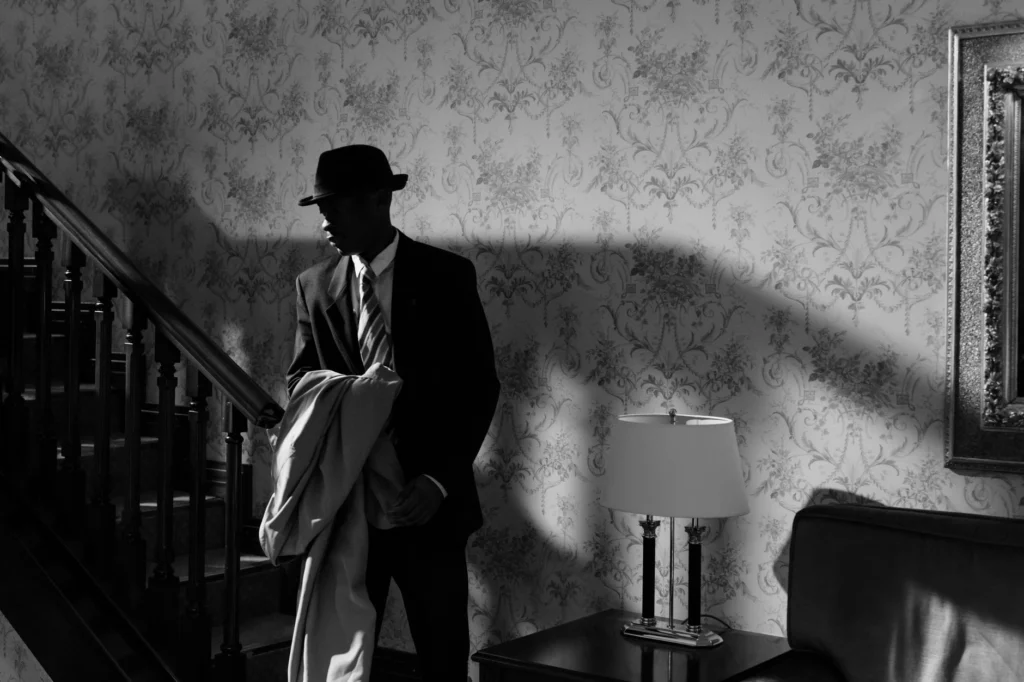
The romanticized image of Old Hollywood’s golden age — glamorous premieres, larger-than-life stars — sits alongside a much less glamorous reality: the studio system that produced that era operated a level of control over actors’ lives and careers that would be straightforwardly illegal under modern labor law, and understanding the mechanics explains a lot about why that era’s stardom looked the way it did.
The standard contract gave studios near-total control
Under the studio system’s standard long-term contract structure, a studio could dictate an actor’s film roles, control their public image and personal appearance down to enforced diet and cosmetic changes, restrict or forbid specific personal relationships and marriages the studio deemed damaging to a carefully constructed public image, and loan the actor out to other studios for a fee the actor themselves didn’t receive — all under contracts actors typically signed as unknown newcomers with little negotiating leverage, and which bound them for years, often seven, with limited ability to exit even if the relationship became genuinely damaging.
The system collapsed for specific legal, not just cultural, reasons
The studio system’s dominance ended less through gradual cultural shift than through specific, consequential legal rulings — most significantly, a 1948 antitrust decision that forced major studios to divest their ownership of movie theater chains, breaking the vertically integrated structure (production, distribution, and exhibition all controlled by the same company) that had given studios the concentrated financial power to sustain such controlling long-term talent contracts in the first place.
The studio system didn’t erode gradually because audiences lost interest in glamour. It was broken apart by a specific antitrust ruling that dismantled the vertical business structure the entire model depended on.
The lasting legacy in how actors are represented today
The modern talent agency and manager system, along with the Screen Actors Guild’s collective bargaining protections, developed substantially in direct response to the studio system’s documented abuses, and understanding this history is part of why contemporary actor contract negotiations — over image rights, creative control, and compensation structure — carry the institutional memory of a system that, within living historical memory, operated without most of the protections actors now take for granted.
If your company or product is mentioned in this article, you're welcome to share it.