This is a public-health awareness piece, not medical advice. It draws on CDC, DEA, and harm-reduction research to explain a real, ongoing risk and the harm-reduction tools proven to reduce deaths from it. If you or someone you know is using drugs, the Never Use Alone hotline (800-484-3731) is a real, free service staffed specifically to respond if something goes wrong.
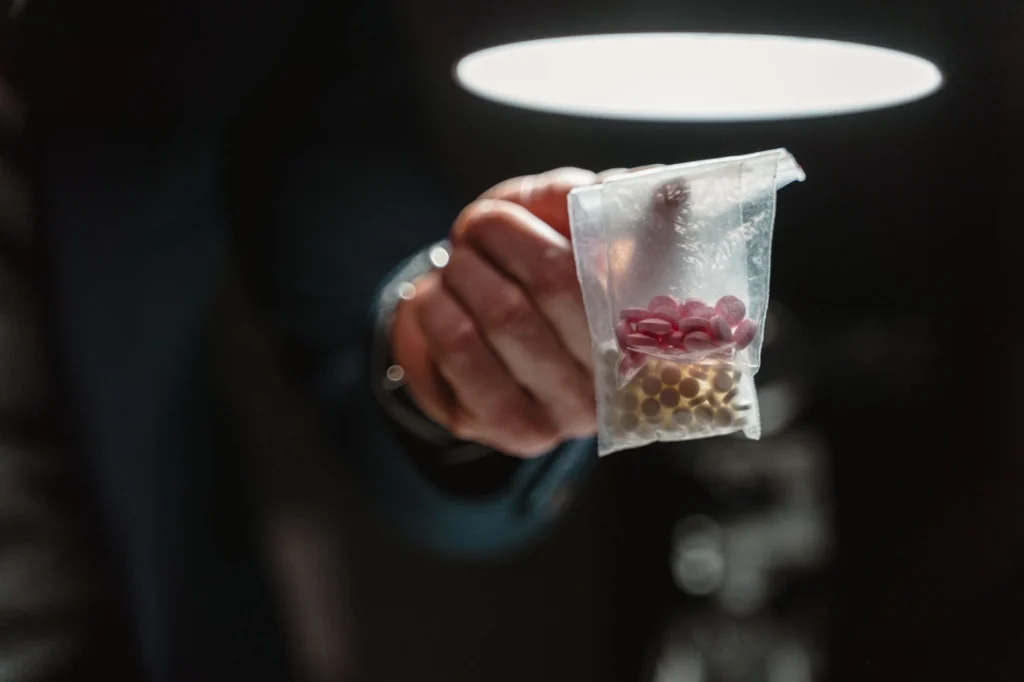
The most dangerous drug in America right now often isn’t sold as itself. It’s pressed into a pill that looks like a prescription painkiller or an anti-anxiety medication, sold by someone who may not even know what’s actually in it, and taken by someone who has no way to tell the difference by looking at it. That gap — between what a pill appears to be and what it actually is — is the single biggest driver of overdose death in the country today, and understanding it is genuinely the first step in staying alive if you or someone you know is around this risk at all.
The real scale of the problem
Synthetic opioids, overwhelmingly illegally manufactured fentanyl and its analogs, were involved in roughly 69% of all US overdose deaths in 2023. Preliminary CDC data predicts 68,641 overdose deaths for the 12 months ending in February 2026 — a genuine 12.1% decline from the year before, which is real, meaningful progress, but still tens of thousands of preventable deaths. Law enforcement seized enough fentanyl in 2026 to represent more than 239 million potentially deadly doses, which gives some sense of how much of this is actually circulating.
Why counterfeit pills specifically are so dangerous
Illegally manufactured fentanyl is increasingly pressed into pills made to resemble real prescription medication — commonly counterfeit oxycodone (often stamped “M30”) or counterfeit Xanax. The DEA’s own lab analysis of seized counterfeit pills found fentanyl content ranging from 0.02 to 5.1 milligrams per tablet — and 42% of the pills tested contained at least 2 milligrams, a dose the DEA considers potentially lethal on its own. The critical, genuinely life-or-death fact here is that there’s no visual, taste, or texture difference between a counterfeit pill with a survivable trace amount and one with a fatal dose. A pill that looks identical to the last one someone took can be manufactured completely differently, because these aren’t produced with pharmaceutical-grade consistency — that’s the entire danger the DEA’s “One Pill Can Kill” campaign is built around.
What actually reduces the risk, according to the real research
Fentanyl test strips are a genuine, evidence-backed harm reduction tool — cheap, simple to use, and specifically designed to detect fentanyl in a drug supply before it’s used. Research from real syringe services programs shows they change behavior in exactly the way that saves lives: people who get a positive test result report using a smaller amount, using with someone else present rather than alone, or keeping naloxone nearby specifically because the strip flagged a risk.
Naloxone is the second critical piece, and the bystander data on it is worth knowing directly: another person is present for 43% of overdose deaths, meaning in nearly half of these deaths, someone was there who could have intervened if they’d had naloxone on hand and known how to use it. It comes as a simple nasal spray, requires no medical training to administer, and works by rapidly reversing the effects of an opioid overdose, restoring normal breathing within minutes. It’s available without a prescription in most US states.
The single most protective real-world habit
Across every harm-reduction study on this, the strategies that actually reduce deaths point to the same core practices: never use alone, keep naloxone accessible if you or someone around you might encounter opioids, and use a fentanyl test strip when there’s any uncertainty about what a substance actually is. The Never Use Alone hotline (800-484-3731) exists specifically to be that second person when no one else can be there — a real, staffed line that stays on the phone during use and calls for emergency help if the person on the other end stops responding. None of this requires judgment about anyone’s choices. It requires accurate information about what’s actually circulating in the drug supply right now, and it requires having naloxone in the same category as a fire extinguisher: something you hope never to need, kept exactly where you’d need it if you do.