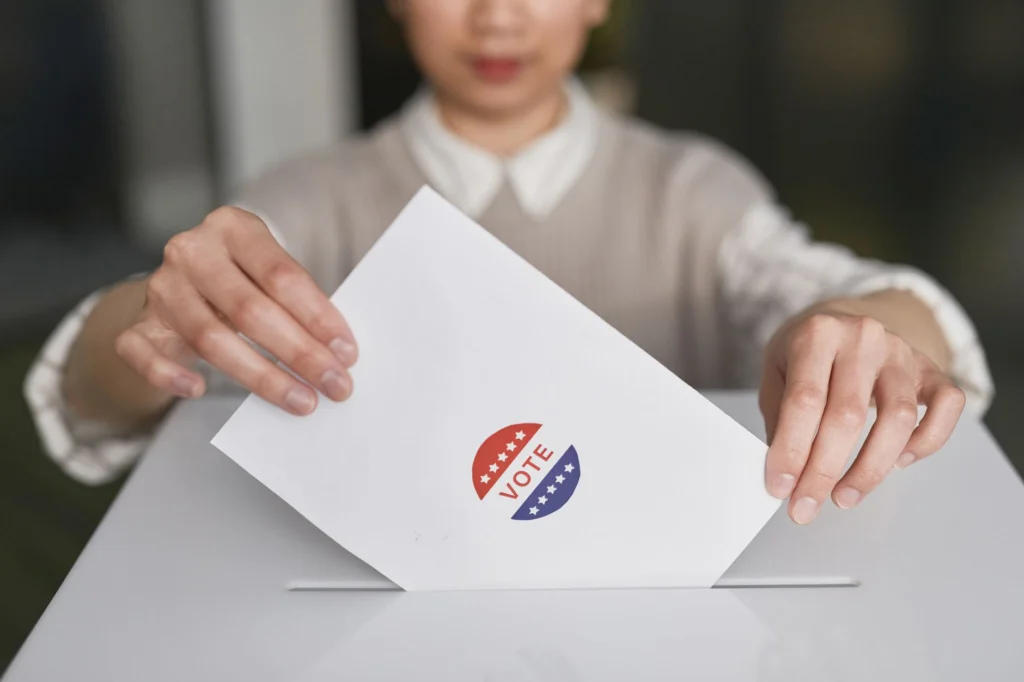
Colorado election officials say a real, unresolved legal question is now hanging over how the state runs its elections: whether a Trump administration executive order targeting mail ballots can actually be enforced against a state that’s run its elections almost entirely by mail for over a decade.
Why Colorado specifically is affected more than most states
Colorado has operated as a real, nearly all-mail voting state since 2013, automatically mailing every active registered voter a ballot ahead of each election rather than requiring voters to request one or vote in person. That structural reality makes Colorado a genuinely distinct case compared to states where mail voting is a minority option alongside in-person voting — any federal action targeting mail ballot procedures has a proportionally larger, more direct effect on how Colorado’s entire election system actually functions, compared to a state where mail voting represents a smaller share of total ballots cast.
What the actual legal uncertainty is about
Colorado election officials have stated that legal uncertainty genuinely shrouds the potential impact of a Trump executive order on mail ballots — a real, acknowledged gap between the order’s stated intent and how it would actually apply in practice to a state whose election infrastructure is built entirely around mail voting as the default method, not an exception. That’s a meaningfully different legal question than a policy dispute over whether mail voting should be expanded or restricted going forward — it’s a real, live question about how a federal executive action interacts with an existing, decade-old state election system already built around the practice the order addresses.
Why this uncertainty matters practically, not just legally
Election administration requires real, long lead times — ballot printing, mailing logistics, and voter registration list management all have to be finalized well before an actual election date, meaning genuine legal uncertainty about mail ballot rules creates real, practical operational risk for election officials trying to plan Colorado’s next election cycle without knowing which rules will actually be in effect. That’s a distinct, concrete concern separate from the underlying political debate over mail voting policy nationally — it’s a real logistics and planning problem for the people actually responsible for printing and mailing ballots to Colorado’s electorate on schedule.
How this connects to the broader national citizenship and voting-law landscape
Colorado’s mail-ballot uncertainty is happening alongside other real, distinct state and federal voting-law disputes — including Ohio’s blocked citizenship-proof voting law and ongoing federal court proceedings over USCIS naturalization-ceremony registration policy — each a genuinely separate legal matter, but together reflecting a real, broader pattern of active litigation and executive action currently reshaping multiple, distinct aspects of American election administration simultaneously across different states and branches of government.
What’s actually still unresolved
As of the most recent reporting, Colorado’s mail-ballot legal question remains genuinely unresolved — election officials themselves have publicly acknowledged the uncertainty rather than asserting a clear, settled interpretation of how the executive order does or doesn’t apply to the state’s existing system, meaning the practical rules Colorado will actually operate under for its next election cycle remain a real, open question rather than a settled matter.
If your company or product is mentioned in this article, you're welcome to share it.