Silkwood Wine: A Practical Guide to Buying, Tasting, and Cellaring
Silkwood is a wine label, not a single style. The useful questions are concrete: which grape, which vintage, which region, and how was it made? A careful buyer checks those details before spending money. A casual buyer often picks by label or discount and then wonders why one bottle tastes fresh and the next feels flat.
Start with the label, not the shelf talker
For Silkwood, the label should tell you the vintage, grape variety, region and alcohol level. Those four details do more work than most marketing copy. Vintage matters because a wet year and a hot year produce different fruit. Variety matters because Silkwood Shiraz and Chardonnay should not be judged by the same standard. Region matters because it sets expectations for ripeness and acidity. If a bottle lists oak aging, note whether it says French or American oak and for how long. That is a style clue, not a quality guarantee.
What to check before you buy
Check the vintage against published notes for the region, not just the brand. Check the alcohol level: a 14.5% Shiraz will feel different from a 13.5% example. Check the closure and fill level if you are buying older stock. Check whether the bottle has been stored upright under bright light or heat. A discounted bottle that has sat near a window is not a bargain. If you are buying several bottles, ask the retailer about delivery and storage conditions. For older vintages, ask for provenance.
Tasting Silkwood without the theatre
Use a clean, tulip-shaped glass and pour about 50ml. Serve reds at 60-65°F (15-18°C) and whites cooler, around 45-50°F (7-10°C), then let them warm in the glass. Look at the wine: color and clarity can hint at age and handling, but they do not prove quality. Swirl, sniff briefly, and put the glass down. Long, dramatic sniffing is less useful than two or three focused passes. On the palate, note acidity, tannin, body and finish. For a Silkwood Shiraz, ask whether the tannin is firm or soft and whether the fruit stays fresh or turns jammy. For Chardonnay, check whether the oak sits on top of the fruit or supports it.
Food pairing that actually works
Match weight to weight. A full-bodied Silkwood Shiraz needs grilled steak, lamb, or a mushroom and lentil dish with enough texture to stand up to it. A crisp Silkwood Chardonnay works with grilled fish, roast chicken, or soft cheese. Avoid the common mistake of putting a high-alcohol red with a delicate salad; the wine will flatten the food. If you are serving a spicy dish, choose a white with good acidity rather than a heavily oaked red. Taste the wine with the food before the table is served, especially if you are opening an older bottle.
Cellaring: keep it simple and honest
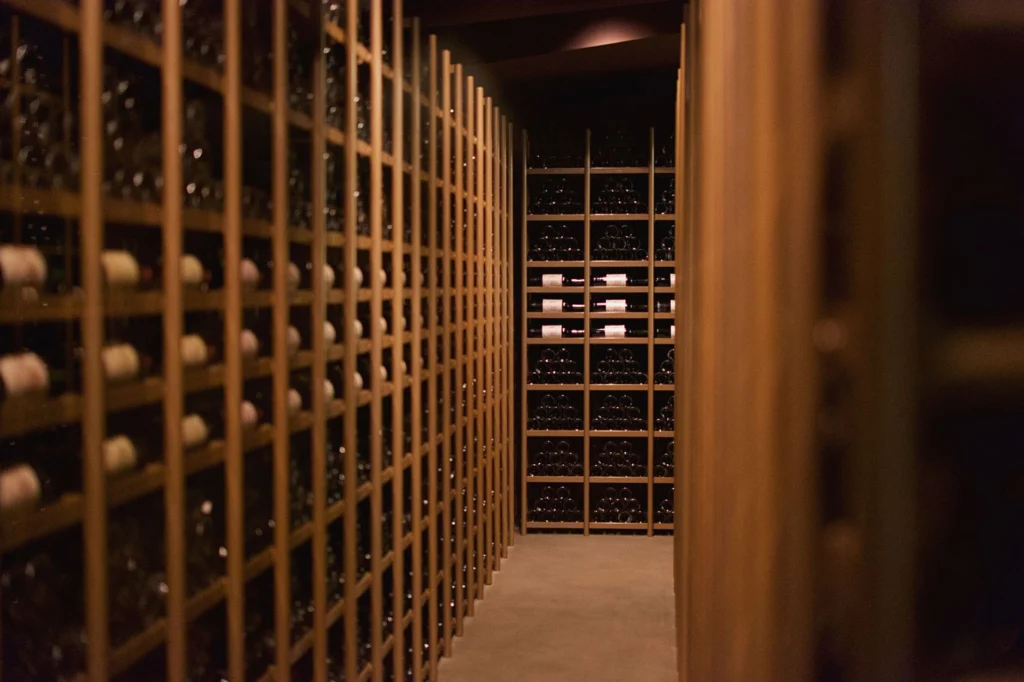
Most Silkwood wines are made to be drunk within a few years. Some top vintages can improve for five to ten years, but only if stored properly. Keep bottles in a cool, dark place with a stable temperature, ideally around 55°F (13°C), and away from vibration. Humidity matters for cork closures; screwcaps are less fussy. Store bottles horizontally if they have corks. Keep a simple record of what you own and when you bought it. Do not cellar a bottle just because it is expensive. Cellar it because the vintage, variety and structure suggest it will improve.
Build knowledge without the snobbery
Visit the winery if you can, but a good retailer or regional tasting is often more practical. Take notes on what you actually smell and taste, not what the tasting sheet says. Compare two vintages of the same Silkwood wine side by side. Read producer notes and independent reviews, and treat awards as one data point. Formal courses such as WSET can help, but they are not required to enjoy wine. The main skill is attention: notice the difference between a wine that is simply fruity and one that has balance and length.
Frequently asked questions
What temperature should I serve Silkwood red wine?
Serve Silkwood reds at about 60-65°F (15-18°C). If the room is warm, put the bottle in the fridge for 20-30 minutes before opening. Do not serve reds at cellar temperature if the room is already hot; they will taste flabby and alcoholic.
How long can I keep a bottle of Silkwood wine?
It depends on the wine. Many Silkwood whites and lighter reds are best within two to three years. Structured reds from good vintages may improve for five to ten years if stored at a stable, cool temperature. Check the producer’s advice for the specific bottle rather than relying on a general rule.
What should I pair with Silkwood Chardonnay?
Try grilled fish, roast chicken, prawns, or soft cheeses such as brie. If the Chardonnay has noticeable oak, it can handle richer dishes like roast pork or creamy pasta. Avoid very spicy food with heavily oaked Chardonnay; the oak and heat tend to fight.
If your company or product is mentioned in this article, you're welcome to share it.