A wine region tells you where to look. A specific winery tells you exactly what to look for once you get there. These are the individual estates whose reputations are built on real scarcity, real critical acclaim, and in some cases, real price records — not just proximity to a famous region.
Château Margaux — Bordeaux, France
The most famous of the prestigious chateaux in the village of Margaux, immediately north of Bordeaux city, Château Margaux has earned its place among the world’s most admired wine brands through extraordinary finesse, elegance, and centuries of consistent reputation. It’s the estate other Bordeaux producers are measured against, not the other way around.
Domaine de la Romanée-Conti — Burgundy, France
Arguably the most famous and expensive wine producer in the world, Domaine de la Romanée-Conti (DRC) makes its most sought-after Pinot Noir from a single, tiny grand cru vineyard — just 1.81 hectares. That scarcity, combined with a reputation for the most sublime Pinot Noirs in Burgundy, is exactly why DRC bottles regularly become the most expensive wines sold anywhere.
Screaming Eagle — Napa Valley, USA
A genuine American cult wine, Screaming Eagle Cabernet Sauvignon is known for exceptional quality paired with extremely limited availability — the two factors that together, not separately, are responsible for its reputation. Bottles routinely command prices in the thousands, driven by real scarcity rather than manufactured hype.
Vega Sicilia — Ribera del Duero, Spain
Vega Sicilia produces intense, long-lived reds with one of the strongest long-term track records for price appreciation of any wine brand in the world, built on extreme scarcity paired with consistent critical acclaim across decades rather than a single standout vintage.
Why scarcity is the real, structural reason these wines cost what they do
What separates these four from any other well-made winery isn’t just critical acclaim — it’s real, physical scarcity that no amount of demand can expand. DRC’s most famous vineyard is 1.81 hectares, meaning the total possible bottle count in any given year is fixed by the literal size of the plot, not by how much the market wants to buy. Screaming Eagle deliberately maintains extremely limited production out of a Napa Valley estate that’s genuinely small compared to its neighboring wineries, and both facts are why waiting lists, not walk-in purchases, are how most collectors actually acquire either wine. That physical ceiling on supply — not brand-building — is the real economic engine behind prices that regularly outpace far larger, equally well-reviewed estates.
What a real visit to one of these estates actually involves
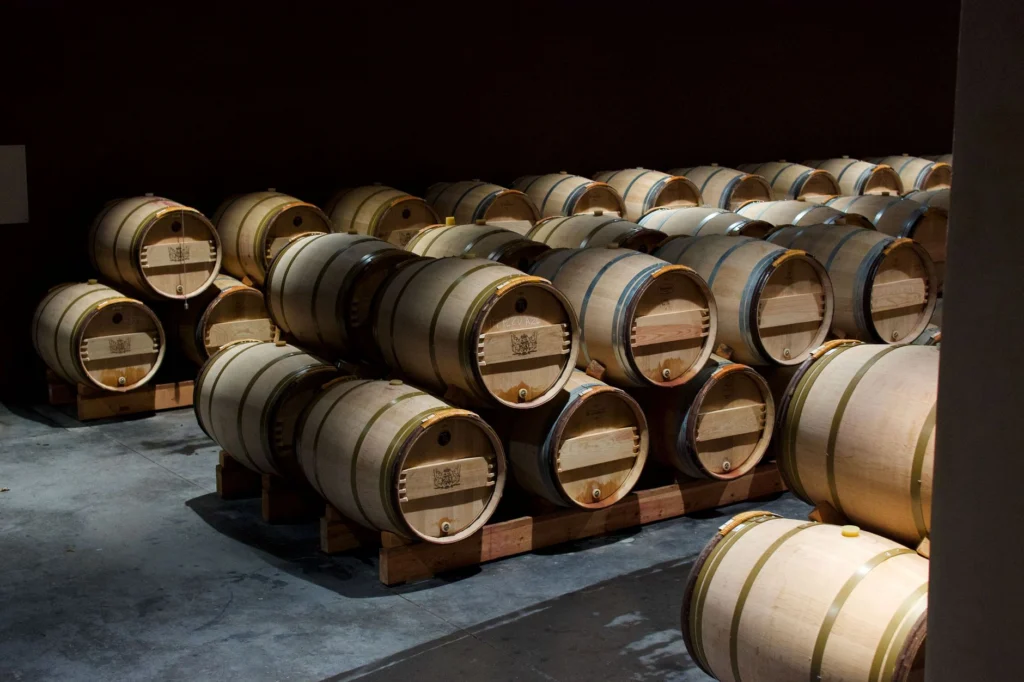
Visiting wineries at this level looks nothing like a typical tasting-room stop. Many operate by appointment only, months in advance, and some — DRC among them — are famously difficult for the general public to tour at all, reserving access for trade professionals, press, and existing clients rather than walk-in visitors. Château Margaux and Vega Sicilia are more accessible to serious wine travelers willing to book ahead, but even there, a visit typically means a guided walk through centuries-old cellars and an explanation of a specific, defined production process — barrel selection, blending decisions, aging duration — rather than a casual sampling flight. That structure is itself part of the appeal: seeing exactly how a 1.81-hectare plot or an extremely limited Napa release actually gets made is a fundamentally different experience than reading about it.
What actually makes these estates worth the trip
None of these four wineries built their reputation through recent marketing — each is defined by a specific, hard-to-replicate combination: a genuinely limited plot of land, decades to centuries of consistent quality, and independent critical acclaim that predates modern wine tourism entirely. Visiting one isn’t just a tasting; it’s seeing the actual, specific conditions — the vineyard size, the soil, the cellar — that produce wines most people will only ever encounter by reputation.