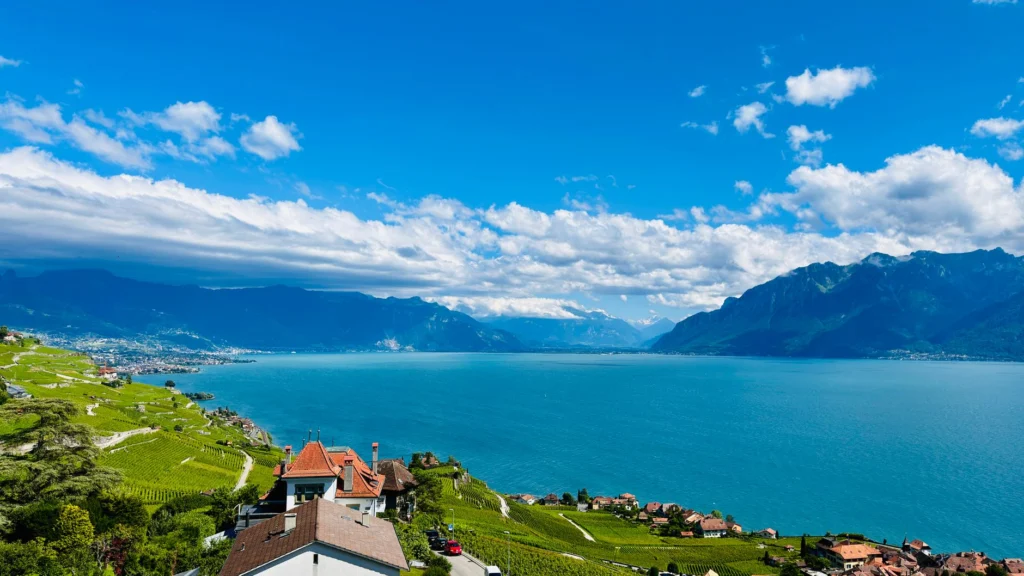
Some wine regions earn their reputation through marketing. These earned theirs the slow way — decades or centuries of soil, climate, and generational winemaking that no amount of branding can manufacture. Here’s a real, grounded look at the wine regions that actually justify the trip.
Bordeaux, France
Arguably the world’s most famous wine region and the heartland of Merlot and Cabernet Sauvignon, Bordeaux is home to some of the most prestigious, age-worthy red blends on the planet. Its reputation isn’t marketing-driven — it’s built on centuries of classification systems, chateau rivalries, and a terroir that’s been studied and replicated (never successfully) worldwide.
Napa Valley, USA
Northern California’s flagship wine region is renowned for producing some of the best Cabernet Sauvignon in the world. What genuinely sets it apart today is its focus on sustainability — winemakers here have leaned hard into environmentally conscious practices specifically to preserve the valley’s long-term quality, which has helped it maintain its position as a leading wine destination rather than resting on past reputation.
Tuscany, Italy
One of the most prolific wine-producing regions in Europe, Tuscany is best known for Sangiovese-based dry reds — Chianti, Brunello di Montalcino, and Vino Nobile di Montepulciano among them. The region pairs its wine with genuine culinary and historical depth, which is exactly why it remains one of the most-visited wine destinations on earth rather than a niche stop for collectors only.
Barossa Valley, Australia
For over 180 years, the Barossa Valley has produced some of Australia’s best wine, with many vineyards still run by the same families across generations. The unique climate and soil here create ideal conditions for Shiraz, Cabernet Sauvignon, and Grenache — a real, sustained multi-generational commitment rather than a recently-built tourist attraction.
Douro Valley, Portugal
A UNESCO World Heritage Site and the cradle of Port wine, the Douro Valley in northern Portugal is defined by terraced vineyards running along the river itself — a genuinely dramatic landscape built specifically to make grape-growing possible on near-vertical terrain. It remains the definitive source of the world’s best Port.
Mendoza, Argentina
Argentina produces over 75% of the world’s Malbec, and Mendoza alone accounts for more than 80% of the country’s total wine output. The region’s powerful, fruit-forward Malbecs have earned real international acclaim over the past two decades, turning a once-overlooked wine country into one of the most respected New World producers.
Rioja, Spain
Rioja’s winemaking history actually traces back to Phoenician settlers in the 11th century BC, with the Romans later establishing vineyards near Calahorra and Logroño — a real, documented lineage stretching back further than almost any wine region on this list. The region has protected its identity for centuries: as early as 1560, using grapes from outside Rioja was prohibited outright, and exported wine had to travel in bota bags branded with a seal specifically to guarantee authenticity. Rioja formed its official regulating council in 1926, gained denominación de origen status in 1970, and in 1991 became Spain’s first wine region to earn the elevated DOCa designation — a real regulatory pedigree most New World regions simply don’t have the centuries to match.
Chianti, Italy
Sitting in the heart of Tuscany between Florence, Siena, and Pisa, Chianti operates under real, enforceable production rules under its DOCG status: the Chianti Classico appellation specifically requires a minimum of 80% Sangiovese in the blend at its base “Annata” level, with a mandatory 12-month aging period before release. That’s not a stylistic suggestion — it’s a legal requirement that shapes every bottle carrying the label, part of why Chianti Classico has held a consistent identity across decades of vintages that softer, unregulated regions can’t match.
The takeaway
What separates a genuine world-class wine region from a well-marketed one is exactly what these six share: decades or centuries of climate-matched grape selection, real generational winemaking knowledge, and a track record independent of any single vintage or trend. That’s what actually makes the trip worth taking.