Introduction
A good whiskey gift starts with attention to what the recipient actually drinks. Before you buy a bottle, learn whether they reach for smoky Islay Scotch, high-rye Bourbon, spicy rye, smooth Irish whiskey, or precise Japanese whisky. Ask casually about favorite distilleries and recent bottles, or check with someone who drinks with them. That information narrows the field faster than any generic gift guide.
1. Know the Whiskey
Match the bottle to the drinker’s palate. A fan of Islay Scotch may appreciate Laphroaig 10 or Ardbeg 10 for their peat and smoke. A Bourbon drinker who likes spice and structure might enjoy Four Roses Single Barrel. Rye fans often look for pepper and herbal notes, while Irish whiskey drinkers may prefer a smooth, approachable style. Japanese whisky can appeal to someone who values balance and precision. If you are unsure, ask about a recent bottle they loved and what they liked about it. Specific clues beat guesswork.
2. Choose the Bottle Carefully
Rare bottles are not automatically better bottles. Look for limited releases, single-barrel selections, or lesser-known distilleries with a clear point of view. Check the age statement, the distillery’s reputation, and the condition of the packaging. A well-chosen bottle from a small producer can be more interesting than an expensive name everyone already knows. Local liquor stores with knowledgeable staff are often better than generic online listings because they can tell you what is actually drinking well right now.
3. Glassware Makes a Difference
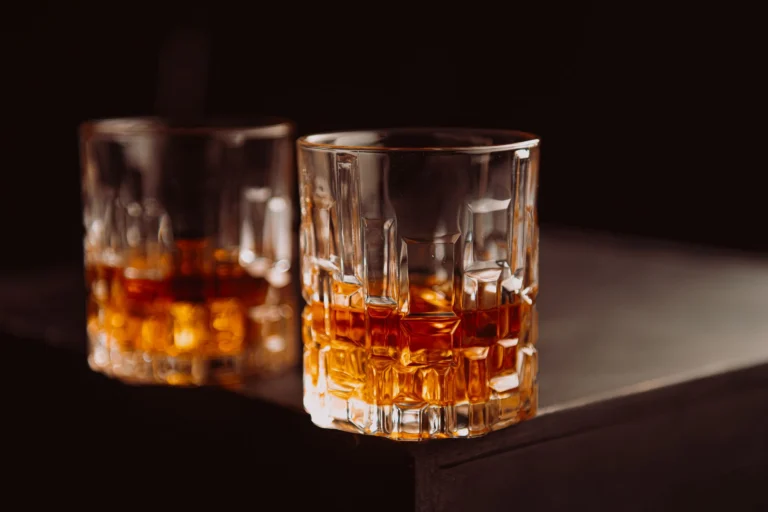
A Glencairn glass is the standard for nosing and tasting whiskey. Its tulip shape concentrates aromas and makes it easier to pick out detail. Rocks glasses work for whiskey on the rocks or in cocktails, and snifters can suit older, more complex pours. A set of quality glasses, especially one engraved with the recipient’s initials, is useful without being fussy. Avoid novelty glasses that look clever but dull the experience.
4. Accessories Should Fit the Ritual
Choose accessories the recipient will actually use. Whiskey stones chill without dilution, though they do not chill as evenly as a large ice cube. A high-quality ice mold makes clear, slow-melting cubes. A decanter can aerate and display a bottle, while bar tools such as a shaker, jigger, and strainer suit cocktail drinkers. A tasting journal, coasters, or a small home-aging barrel can also work if they match the person’s habits. Skip anything that seems more decorative than practical.
5. Consider an Experience
A distillery tour, guided tasting, or weekend in a whiskey region can be more memorable than another bottle. In Kentucky, the Bourbon Trail offers distillery visits and tastings. In Scotland, Speyside and Islay trips focus on very different styles. Ireland and Japan also have established whiskey tourism. If travel is not realistic, host a small tasting at home with a few bottles and a clear theme. The recipient gets a new memory and often learns more than they would from a gift set.
6. Build or Buy a Curated Set
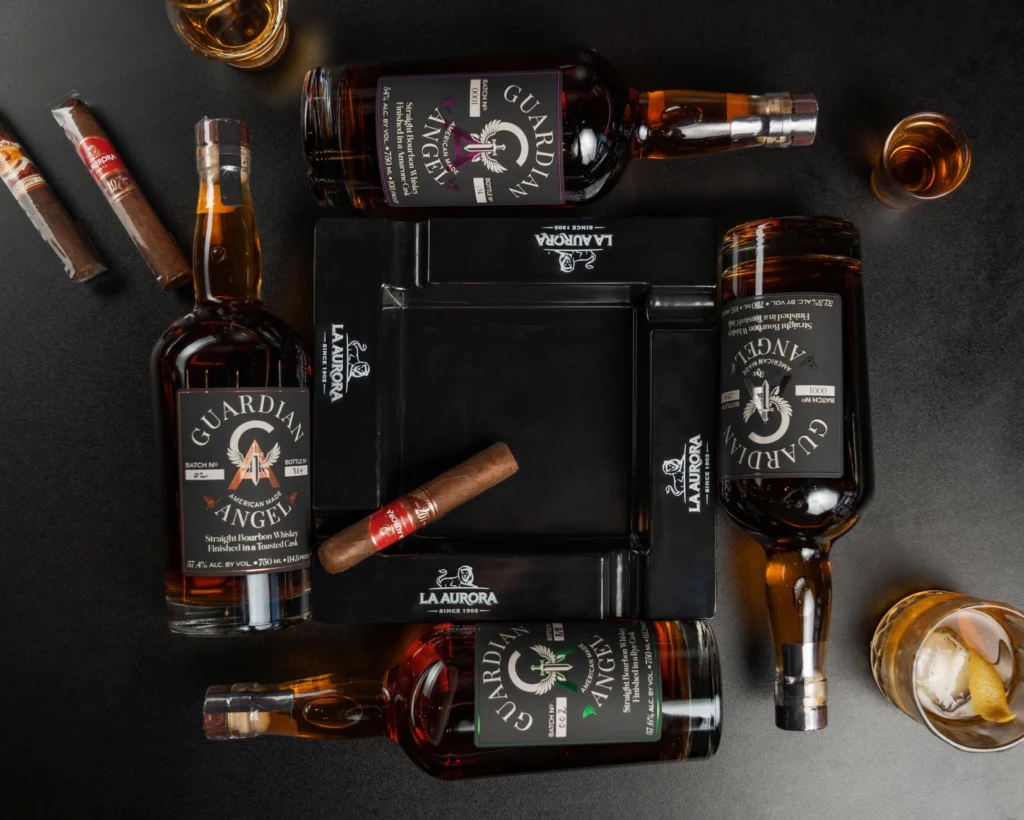
A good gift set is more than a bottle with filler around it. Look for sets that include a solid whiskey, useful glassware, and tasting notes. You can also build your own: choose one bottle, add a Glencairn glass or a set of coasters, and include a short handwritten note explaining why you picked each item. Custom sets work best when they reflect a specific preference, such as peated Scotch or high-rye Bourbon, rather than trying to cover every style at once.
7. Personalize the Gesture
Small personal touches make a whiskey gift feel considered. Engrave a glass with initials, write a note about the bottle’s flavor or the occasion, or add a custom label for a special bottle. If you are giving an experience, tailor it to the recipient’s interests. A history-minded drinker may enjoy an old distillery tour, while a curious beginner may prefer a guided tasting. The point is to show that you paid attention to their tastes, not just their hobby.
Conclusion
The best whiskey gifts are specific: a bottle the recipient has mentioned, a glass they will use, or an experience they would not book for themselves. Match the gift to their habits and include a short note about why you chose it. That thoughtfulness matters more than the price tag.
FAQ
What is the best type of glass for drinking whiskey?
The Glencairn glass is widely used for nosing and tasting because its tulip shape concentrates aromas. Rocks glasses are better for whiskey on the rocks or in cocktails.
What are good accessories for whiskey lovers?
Useful accessories include whiskey stones, high-quality ice molds, decanters, bar tools, tasting journals, and coasters. Choose items that fit how the person actually drinks.
What if I do not know the recipient’s whiskey preferences?
Ask about a recent bottle they enjoyed, or choose a well-regarded Bourbon or Scotch in a style that is easy to appreciate. A gift certificate to a local liquor store or a specialty whiskey retailer is also a safe option.
If your company or product is mentioned in this article, you're welcome to share it.