

Wine Fermentation: A Pro vs. Amateur Guide
Wine fermentation is the conversion of grape sugar into alcohol and carbon dioxide by yeast. The same basic reaction happens in a garage carboy and a temperature-controlled cellar, but the decisions around yeast, nutrients, temperature, oxygen, and sanitation determine whether the result is clean and stable or unpredictable. The useful comparison is not art versus science. It is control versus guesswork.
The fermentation basics
Yeast consumes sugar and produces ethanol, carbon dioxide, heat, and a range of aroma compounds. Red fermentations typically run at 70-85°F (21-29°C); whites usually at 55-70°F (13-21°C). Fermentation speed, ester formation, and the risk of stuck fermentation all shift with temperature. Yeast also needs assimilable nitrogen, vitamins, and minerals. A must that is low in nitrogen can ferment slowly, produce hydrogen sulfide, or stop before dryness.
Yeast and nutrient choices
Professional winemakers usually inoculate with a selected commercial yeast strain chosen for a known fermentation rate, alcohol tolerance, and aroma profile. They measure yeast assimilable nitrogen and add diammonium phosphate or a complex nutrient when needed. Home winemakers often rely on wild yeast on the grapes or a general-purpose strain. Wild fermentation can produce complex results, but it is less predictable and more likely to stall or develop off-flavors if nutrients and temperature are not managed.
Pre-fermentation decisions
Before fermentation, professionals check grape ripeness with a refractometer for Brix and use a pH meter or titration for acidity. They may adjust acid, sugar, or water depending on the must and the target wine. Sanitation is treated as a process: tanks, hoses, valves, and presses are cleaned and sanitized before contact with juice. Home winemakers often work with grapes of variable quality and may avoid adjustments to preserve a natural character. Basic cleaning is common, but dedicated sanitizers and closed transfers are less common.
Monitoring and cap management
Professionals track temperature, specific gravity, and pH daily. For reds, they manage the cap with punch-downs or pump-overs to control extraction of color, tannin, and oxygen. If fermentation slows, they can warm the tank, add nutrients, or restart with a fresh yeast culture. Home winemakers may check gravity less often and punch down by hand. A stuck fermentation is harder to correct without a starter culture, nutrient additions, and reliable temperature control.
After fermentation
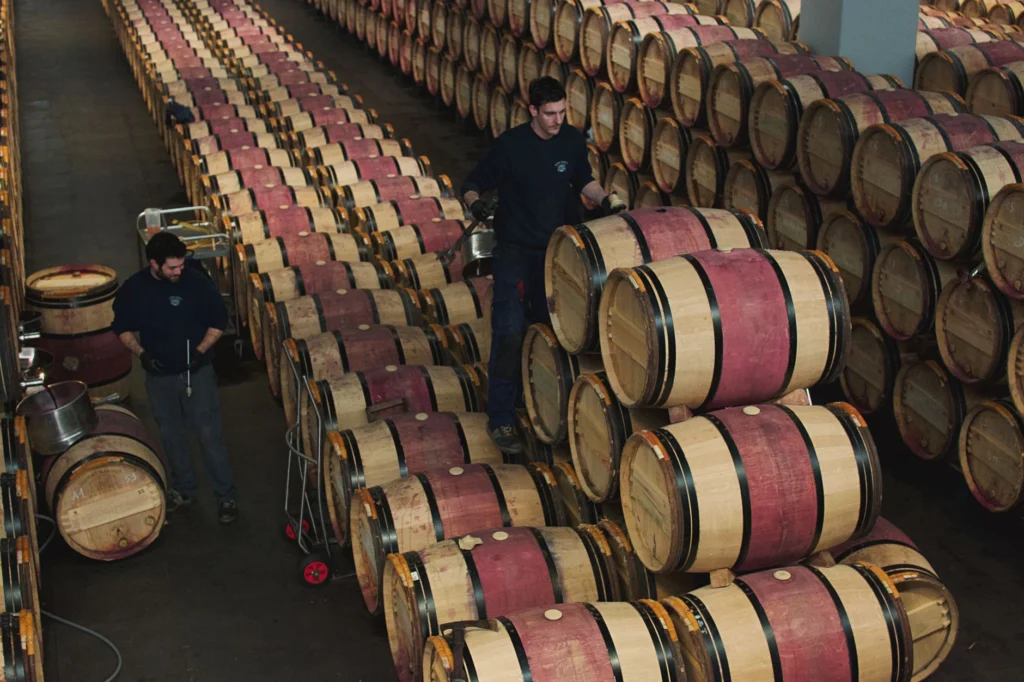
Malolactic fermentation converts malic acid to lactic acid and softens acidity, especially in reds and some whites. Professionals decide whether to encourage it, inoculate for it, or prevent it. They clarify and stabilize with racking, fining, and filtration, then age in oak barrels or stainless steel. Home winemakers may let malolactic fermentation happen naturally, rely on racking for clarity, and age in glass carboys or bottles. Oak chips or staves can add oak character, but they do not replicate barrel aging exactly.
Equipment and blending
Temperature-controlled stainless steel tanks, laboratory analysis, and oak barrels give professionals repeatable control. Plastic fermenters, hydrometers, and limited temperature control are common at home. Blending is another point of difference. Professionals run blending trials across lots to hit a target style and keep vintage consistency. Home winemakers often blend only what they have on hand, so year-to-year variation is normal.
Key differences
| Feature | Professional winemaker | Amateur winemaker |
|---|---|---|
| Yeast | Selected strain matched to wine style | Wild yeast or general-purpose strain |
| Nutrients | Measured and adjusted | Often overlooked |
| Temperature | Controlled tanks | Ambient room temperature |
| Must adjustments | Acid, sugar, or water adjusted as needed | Limited adjustments |
| Monitoring | Daily gravity, temperature, and pH checks | Infrequent checks |
| Cap management | Punch-downs or pump-overs | Manual punch-downs |
| Malolactic fermentation | Managed or prevented | May occur naturally |
| Clarification | Racking, fining, filtering | Simple racking |
| Aging | Oak barrels or stainless steel | Glass carboys or bottles |
FAQ
What temperature should wine ferment at? Reds usually ferment at 70-85°F (21-29°C). Whites usually ferment at 55-70°F (13-21°C). Keeping within those ranges supports a healthy fermentation and preserves aroma.
How can I tell if fermentation is stuck? The airlock slows or stops, specific gravity stays unchanged for several days, and the wine may taste sweet. Check temperature and nutrients first, then restart with a fresh yeast starter if needed.
What off-flavors come from poor fermentation? Volatile acidity can smell like vinegar, hydrogen sulfide like rotten eggs, and Brettanomyces like barnyard or horse blanket. Sanitation, nutrient management, and temperature control reduce the risk.
Professional winemaking is not automatically better than home winemaking, but it has more tools for control. Home winemakers can make clean, distinctive wine by measuring gravity and pH, choosing a reliable yeast, feeding nutrients, controlling temperature, and cleaning equipment thoroughly.
If your company or product is mentioned in this article, you're welcome to share it.


