Car Next Door is one of the clearest "the Sharks who said no were wrong" stories in Shark Tank Australia's history — a car-sharing platform that four out of five investors passed on before Steve Baxter said yes, and that went on to sell to Uber years later. Here's exactly how the deal came together, and what happened after.
The pitch that almost got no offers at all
Co-founders Will Davies and Dave Trumbull pitched Car Next Door with a straightforward ask: $300,000 for a 4% stake in their peer-to-peer car-sharing business, which let car owners rent out their vehicles to nearby users when they weren't using them themselves — a genuinely novel idea for the Australian market at the time.
The pitch didn't land easily. One Shark after another passed, with the recurring objection being that a 4% stake for $300,000 simply wasn't enough equity to justify the investment at the valuation implied. It looked, for a while, like Car Next Door would leave the Tank with nothing.
How Davies and Trumbull salvaged the deal
Rather than walking away, the founders adjusted their offer on the spot. They proposed sweetening the deal with an additional $100,000 worth of equity in exchange for 30 hours of hands-on mentoring from whichever Shark took the deal, spread over three years.
Steve Baxter, a Queensland-based tech entrepreneur and investor, pointed out — accurately — that he'd likely have given the company his time and advice anyway, deal or no deal. But he agreed to the restructured terms anyway, becoming Car Next Door's Shark Tank investor on a package that ultimately valued his involvement at both capital and a formal mentoring commitment, not just a check.
What Baxter's involvement actually did for the business
Car Next Door didn't just take Baxter's money and disappear from view — the company used the credibility and momentum from its Shark Tank appearance to build a genuinely broad base of institutional support. By 2022, the company had attracted more than 50 investors, including two names that mattered enormously for a car-sharing platform specifically: Hyundai, a car manufacturer, and Caltex, a major fuel retailer — both companies with an obvious strategic interest in how car ownership and usage patterns were evolving in Australia.
The Uber acquisition
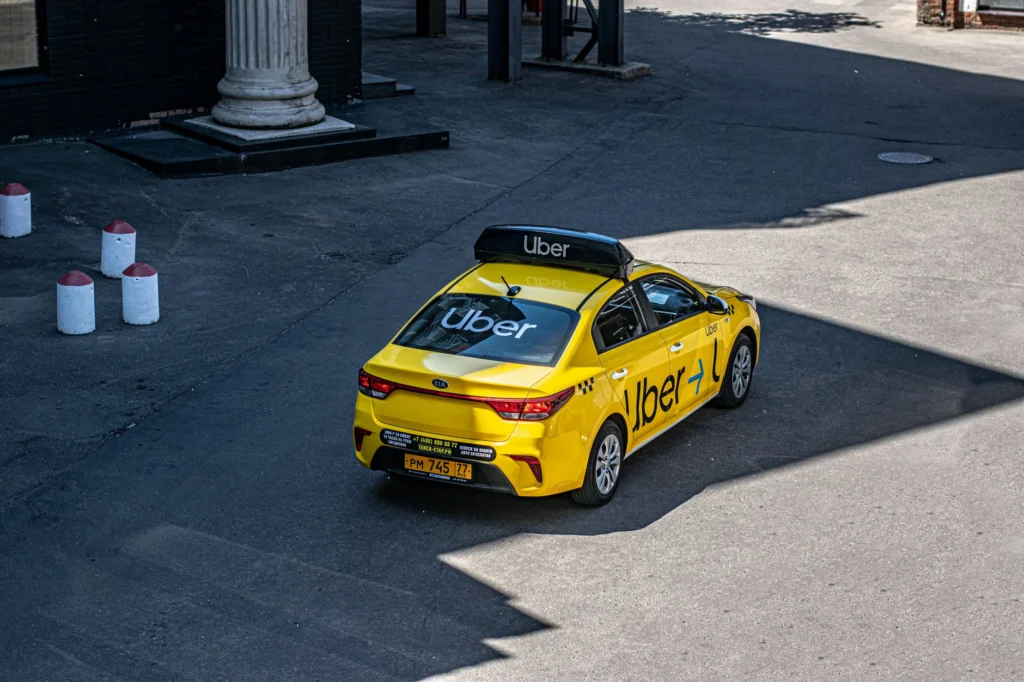
In January 2022, Uber acquired Car Next Door outright, rebranding the service as Uber Carshare. Reported figures on the exact transaction value vary by source — some reporting put the deal at approximately $50 million, while other coverage cited a reported valuation closer to $87 million. Regardless of which figure is more precise, both numbers represent a dramatic outcome for a company that four Sharks had originally decided wasn't worth backing at a $300,000-for-4% valuation.
That's worth sitting with for a moment: the implied valuation of the founders' original ask was $7.5 million. By the time Uber came calling, the business Baxter had backed was worth somewhere between roughly seven and twelve times that figure, depending on which reported sale number you use.
Why Uber wanted a peer-to-peer car-sharing platform at all
Uber's interest in Car Next Door reflects a broader strategic shift the ride-hailing giant had been pursuing for years by the time of the 2022 acquisition: positioning itself as a general mobility platform rather than just an on-demand ride service. A peer-to-peer car-sharing network gave Uber a genuinely different product to offer alongside ride-hailing — one aimed at people who wanted occasional access to a car without owning one outright, a meaningfully different use case from someone hailing a ride to the airport. Car Next Door's existing base of vehicle owners and its established relationships with Hyundai and Caltex gave Uber a working local network to acquire rather than build from scratch in a market it hadn't yet cracked with this specific model.
That's a similar strategic logic to what's played out with car-sharing platforms internationally — Turo in the US built a comparable peer-to-peer model without a Shark Tank origin story, and has remained an independent company rather than being acquired by a ride-hailing giant, making Car Next Door's outright sale to Uber a somewhat different outcome than its closest US analog took.
Why this deal worked when others don't
Car Next Door's trajectory highlights something that separates it from a lot of failed Shark Tank success stories: the founders didn't just take an investor's money — they took a Shark who had genuine, relevant operating experience and structured the deal specifically to guarantee his ongoing involvement, not just his capital. Baxter's own point — that he would have mentored them regardless — actually undersells what the formal 30-hours-over-three-years structure did: it turned an informal, easily-deprioritized favor into a contractual commitment, ensuring the founders had consistent access to strategic guidance through the exact period where most startups either find real product-market fit or quietly stall out.
The Hyundai and Caltex investments that followed are the clearest evidence that strategy worked. Those aren't the kind of investors that back a startup on hype alone — a car manufacturer and a fuel retailer backing a car-sharing platform is a signal that Car Next Door had built something with real, demonstrated relevance to how those industries saw their own future.
The bottom line
Car Next Door is the rare Shark Tank story where the rejected version of the deal — four Sharks passing on a $300,000-for-4% ask — turned out to be the wrong call, and the one Shark who said yes did so only after the founders proved willing to restructure creatively rather than walk away. From a near-miss pitch to a roster of investors including Hyundai and Caltex, to an outright acquisition by Uber worth tens of millions of dollars, Car Next Door's arc is as close to a clean, undisputed Shark Tank Australia success story as the show has produced.
See our full roundup of Shark Tank Australia's biggest wins and losses for Car Next Door alongside four more real companies, including iCapsulate's record deal that collapsed.