Vinho Verde: Portugal’s Green Wine
Vinho Verde is a protected wine region in northwest Portugal, not a grape or a color. The name means green wine and refers to youth: most bottles are released within months of harvest, while the grapes are picked early enough to keep acidity high and alcohol moderate. The result is a fresh, often lightly fizzy wine that is meant to be drunk young.
1. The name is about youth, not color
White Vinho Verde is usually pale straw. Red and rosé versions also exist. Verde signals an early-release style, not green liquid. Early picking helps preserve acidity and citrus aromas, and most whites are bottled within three to six months of harvest.
2. The region is wet, granitic northwest Portugal
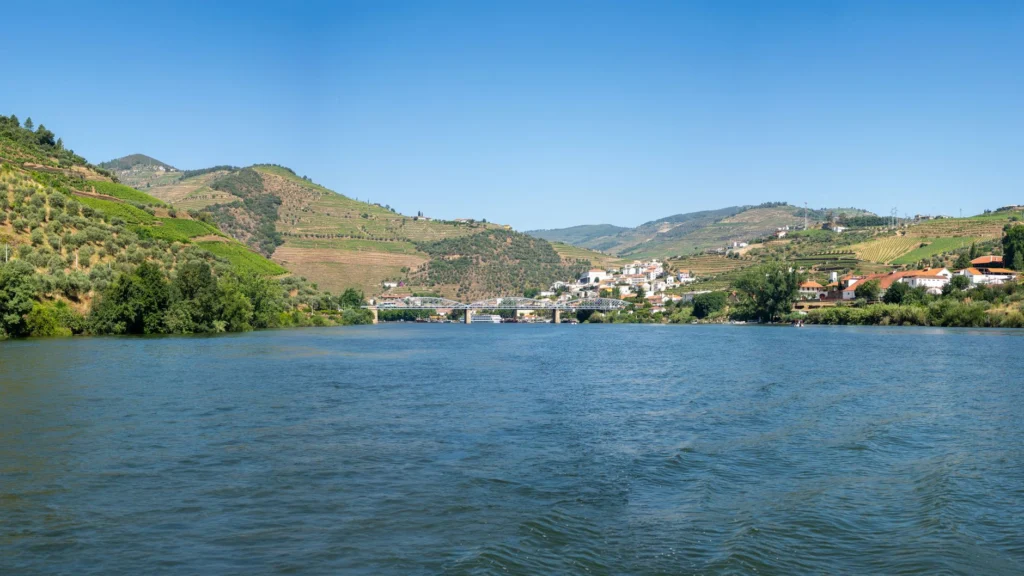
The Vinho Verde DOC covers the Minho region and subregions including Monção e Melgaço, Lima, Cávado, Ave, Basto, Sousa, and Amarante. Atlantic influence brings high rainfall and humidity, while granite soils dominate much of the area. Monção e Melgaço is warmer and drier than the coastal zones and is known for Alvarinho.
3. The grapes are mostly indigenous
White blends rely on Alvarinho, Loureiro, Arinto, and Trajadura. Alvarinho brings peach, citrus, and minerality; Loureiro adds floral and lime notes; Arinto contributes acidity and lemon; Trajadura adds body. Red Vinho Verde is made mainly from Vinhão, with Borraçal and Amaral also permitted. Vinhão gives deep color, tart red fruit, and high acidity.
4. Styles go beyond white
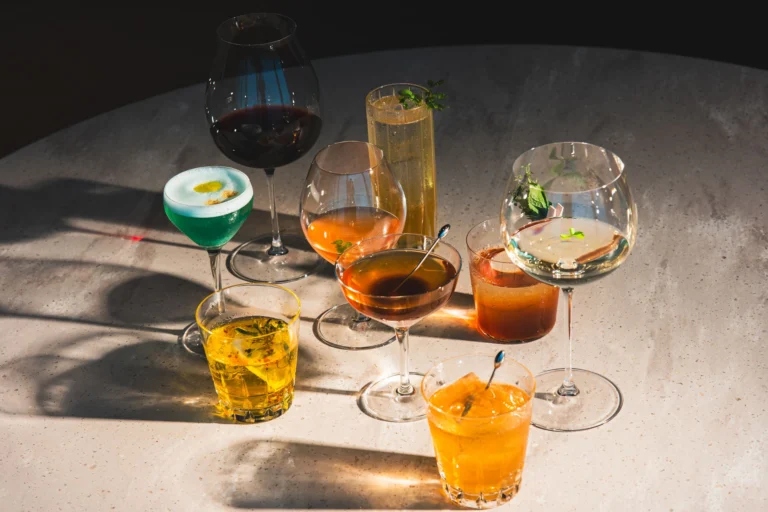
White is the most common style: light-bodied, citrusy, and sometimes floral. Rosé is made from red grapes with brief skin contact and shows red berry and melon notes. Red Vinho Verde is dark, lean, and high in acid, often served cool. Sparkling Vinho Verde is also produced, usually from white grapes.
5. The fizz is usually subtle
Many white Vinho Verdes have a slight prickle from carbon dioxide. Some producers retain CO2 from fermentation; others add it. The fizz should be a light lift, not a full sparkle. If you want the traditional style, look for bottles described as having natural effervescence or a slight petillance.
6. Pair it with seafood, vegetables, and salty snacks
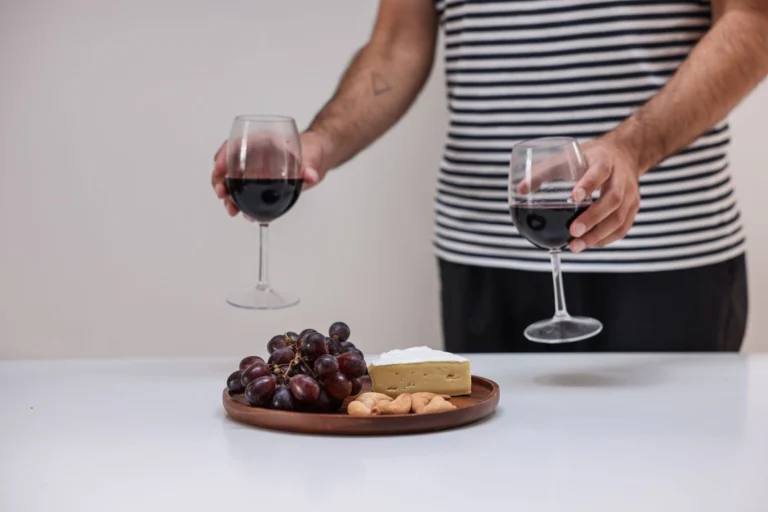
High acidity cuts through fried fish, oysters, and soft cheese. White Vinho Verde works with grilled fish, salads, green vegetables, and herb-heavy Asian dishes. Rosé suits charcuterie and light pasta. Red Vinho Verde handles grilled meat, stews, and Portuguese sausages. Serve it as an aperitif with olives or salted almonds.
7. Serve cold and drink young
Chill Vinho Verde to 8-10°C (46-50°F). Use a standard white wine glass so the aromas can open. Drink it within a year or two of the vintage; it is not built for long aging. Store bottles in a cool, dark place, and keep an opened bottle refrigerated for two to three days.
| Feature | Description |
|---|---|
| Name origin | Green wine refers to youth and freshness, not color. |
| Region | Vinho Verde DOC, northwest Portugal, mainly the Minho. |
| Key grapes | Alvarinho, Loureiro, Arinto, Trajadura for whites; Vinhão, Borraçal, Amaral for reds. |
| Styles | White, rosé, red, and sparkling. |
| Effervescence | Often slight, from retained fermentation CO2 or added carbonation. |
| Food pairing | Seafood, salads, grilled vegetables, Asian dishes, charcuterie, grilled meats. |
| Serving temperature | 8-10°C (46-50°F). |
FAQ
What does Vinho Verde mean?
It means green wine in Portuguese. The name refers to the wine’s youth and fresh style, not its color.
Is Vinho Verde always fizzy?
No. Many whites have a slight effervescence, but the level varies. Some are made with retained fermentation CO2, and others are carbonated.
How should I store Vinho Verde?
Keep it cool and dark, and drink it young. Once opened, refrigerate it and finish it within a few days.
If your company or product is mentioned in this article, you're welcome to share it.