What Small Batch Actually Means
Small batch is not a legal category. It usually describes a winery that makes wine in limited lots, often from estate-grown or locally sourced grapes, with more handwork in the cellar. There is no universal cutoff. Many boutique producers make a few hundred to a few thousand cases a year, while a large brand may make hundreds of thousands. That difference matters in the tasting room, but it does not automatically guarantee better wine.
Myth 1: Small Batch Means Inferior Quality
Smaller production can allow a winemaker to hand-sort fruit, ferment in smaller tanks, and make barrel-by-barrel decisions. It can also mean less margin for error. A small winery that picks underripe grapes or rushes bottling will not make good wine just because the lot is small. Quality still depends on farming, harvest timing, cellar hygiene, and the winemaker’s judgment. The useful question is not whether a winery is small, but whether it can explain how the grapes were grown and how the wine was made.
Myth 2: Small Batch Tours Are Only for Experts
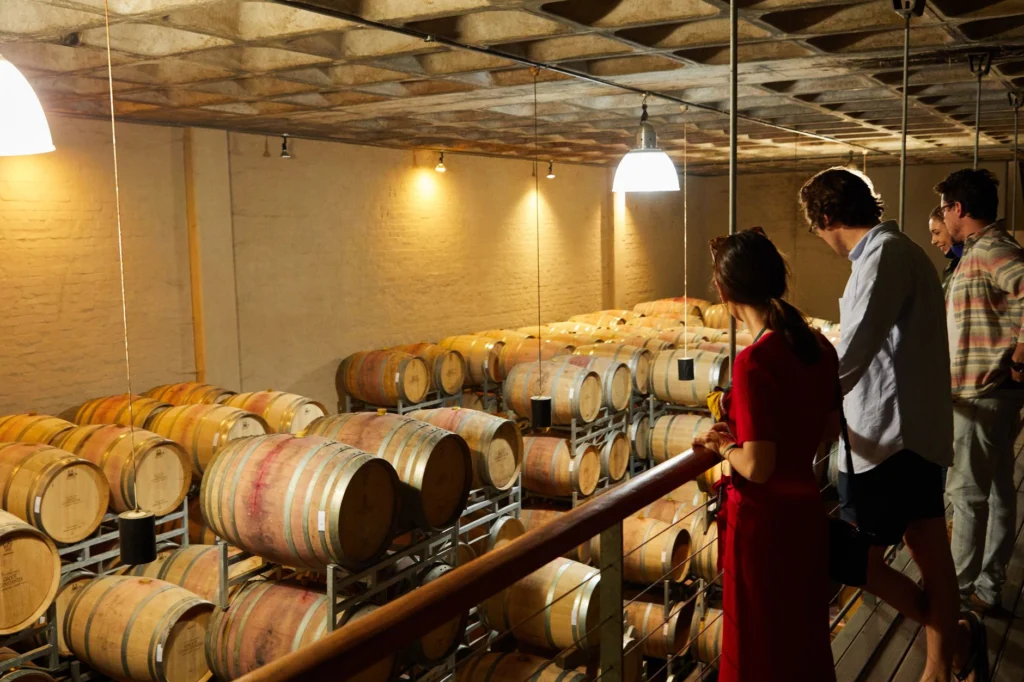
Most small winery tastings are informal. You may stand at a bar, sit at a picnic table, or walk through the cellar with the owner. Staff often explain the difference between stainless steel and neutral oak, or why one block was picked a week later, without expecting you to know the vocabulary. If you do not know what you like, say so. A good host will pour a dry white, a lighter red, and a fuller red and let you compare.
Myth 3: Small Wineries Lack the Wow Factor
The appeal is usually access, not architecture. At a small winery you might taste from a barrel, try a library bottle that is not for sale, or hear why a particular slope ripens later than the rest of the vineyard. Some tasting rooms are converted sheds with no view. That can still be a better visit than a grand estate where the host repeats a script. Check ahead for what the visit includes: vineyard walk, cellar tour, seated tasting, or just a flight at the bar.
Myth 4: Small Batch Tours Are Too Expensive
Tasting fees vary by region and by winery. Many small producers charge modest fees, often credited toward a bottle purchase, while private tours and library tastings cost more. Large wineries also charge for tours, and their fees are not always lower. Compare what is included: number of wines, whether the winemaker hosts, whether food is served, and whether the fee is waived with purchase. A $25 tasting that includes six wines and a cellar walk may be better value than a $15 tasting with two small pours.
Myth 5: Small Wineries Are Hard to Find
Regional wine associations, printed wine trail maps, and winery websites remain the most reliable sources. Instagram and Facebook can show current hours, but call or check the website before driving out. Many small wineries are open by appointment only, especially during harvest. If you are building a route, limit yourself to two or three stops and leave time for the drive between rural properties.
What You Actually Get
- Limited bottles: Wines that may not be distributed outside the tasting room.
- Direct answers: A chance to ask who farms the grapes and how the wine was aged.
- Smaller groups: Reservations often keep tasting groups small enough for questions.
- Local spending: Money stays with a smaller business and often a local vineyard team.
| Feature | Small Batch Wine Tour | Large-Scale Wine Tour |
|---|---|---|
| Production | Often a few hundred to a few thousand cases a year | Often tens or hundreds of thousands of cases |
| Visit style | Reservation-based, informal, sometimes hosted by the winemaker | Scheduled tours, larger groups, scripted tasting |
| Wine selection | Limited releases, library wines, estate-only bottles | Core range, widely distributed labels |
| Atmosphere | Working cellar or modest tasting room | Visitor center, event space, restaurant |
| Cost | Varies; fee often credited with purchase | Varies; tour and tasting packages common |
Conclusion
Small batch wine tours are worth considering when you want to taste limited wines and talk with the people who made them. They are not automatically better, cheaper, or more accessible than larger wineries. Go with specific questions, book ahead, and judge the wine by what is in the glass rather than by the size of the production sign.
FAQ
Are small batch wineries only in certain regions?
No. You can find limited-production wineries in most wine regions, including areas better known for large brands. Look for family-owned operations, estate wineries, and producers that sell mainly from their tasting room.
How do I know if a winery is truly small batch?
Ask how many cases they produce annually, whether the grapes are estate-grown, and who makes the wine. There is no official threshold, so the answer matters more than the label. A winery that makes 2,000 cases and farms its own grapes is usually more transparent than one that uses small batch only as marketing.
What should I wear on a small batch wine tour?
Wear comfortable shoes for uneven ground and layers for changing weather. Dark clothing is practical because wine stains. Bring sunscreen and a hat if the visit includes a vineyard walk. Avoid strong perfume or cologne, since it interferes with tasting.
If your company or product is mentioned in this article, you're welcome to share it.