Introduction: Why Wine Rewards Attention
Wine earns its reputation as a serious pleasure because it can be examined at several levels: as a drink, as an agricultural product, and as a marker of place and technique. The difference between a pleasant glass and a memorable one usually comes down to attention. Experts and enthusiasts pay attention in different ways, and both approaches can improve how the rest of us taste.
The Expert’s Perspective: Science, Craft, and Memory
Sommeliers, winemakers, and critics are not tasting a different liquid. They are using trained methods to separate what is in the glass from what they expect to find. A sommelier may run a deductive tasting: appearance first, then nose, then palate, then a conclusion about grape, region, vintage, and quality. A winemaker may taste the same wine while thinking about fermentation temperature, yeast choice, oak regimen, and how the wine will age.
Tasting with Precision
Professional tasting is structured. Appearance can suggest age or condition: a white wine that has turned deep gold may be oxidized or simply mature; a red with a thin rim may be older than one with a vivid purple edge. Aromas are checked in stages, first without swirling and then after aeration, to catch fragile notes before they blow off. On the palate, tasters look at acidity, tannin, alcohol, body, sweetness, and finish. The point is not to recite a vocabulary list. It is to notice balance and length, and to describe them in terms another taster can understand.
That shared language matters. Terms such as closed, reductive, corked, or hot are shorthand for specific conditions. A critic who calls a wine closed is saying the aromas are muted now, not that the wine is bad. A winemaker who calls a wine reductive is describing a sulfur-related aroma that may blow off with air. Precision helps buyers, sellers, and makers discuss the same thing.
The Winemaker’s Craft
Winemakers make decisions that shape the final wine long before anyone pulls a cork. In the vineyard, that means matching varieties to soil and climate, managing yields, and deciding when to pick. Picking early preserves acidity; picking later builds sugar and fruit weight. In the cellar, fermentation choices matter: temperature control can keep aromas fresh, yeast selection can influence texture and flavor, and maceration time affects color and tannin in reds. Aging in oak, stainless steel, concrete, or amphora changes oxygen exposure and the wine’s texture. None of these choices is automatically better. They are tools used to reach a style.
The Enthusiast’s Approach: Curiosity and Personal Taste
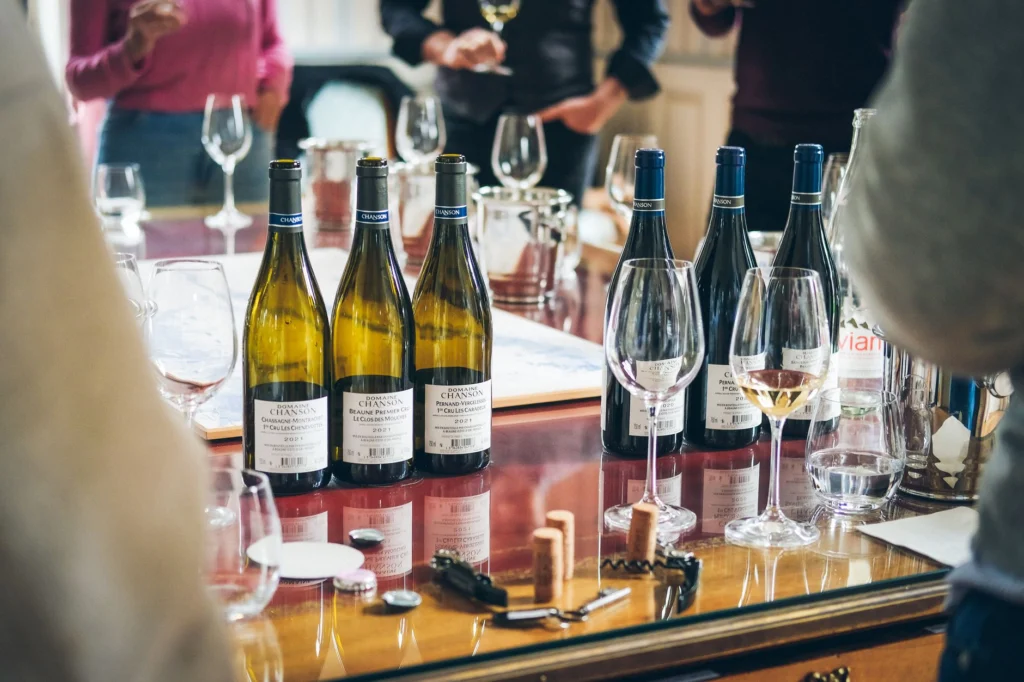
Most wine drinkers are not trying to pass a sommelier exam. They are trying to find bottles they like and understand why they like them. That is a legitimate way to learn. Enthusiasts often build knowledge through comparison: the same grape from two regions, an unoaked and an oaked Chardonnay, a young and an older Rioja. A tasting group, a good wine shop, or a few bottles shared over dinner can teach more than a shelf of theory.
Learning by Comparing
A useful habit is to taste with a question in mind. Does this Riesling taste sweeter than that one, or does it just have more acidity? Is the tannin in this Cabernet firm or soft? Does the oak read as vanilla, toast, or cedar? Keeping short notes helps. They do not need to be formal. A line about the fruit, the acidity, and whether you would buy the bottle again is enough to build a personal reference point.
Wine as a Shared Experience
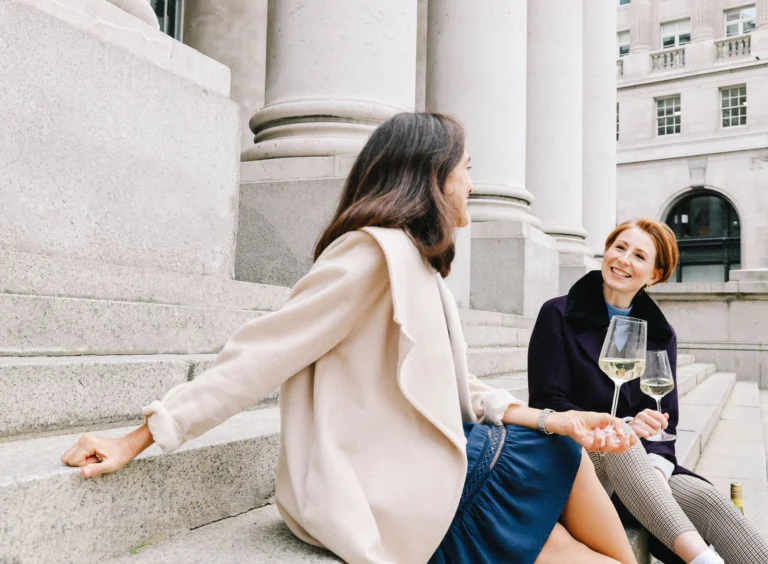
Wine is also a social drink. It works with food, conversation, and celebration. The social side is not a lesser form of appreciation. It is often how people discover new bottles. A host can pour two wines blind, ask guests which they prefer, and reveal the prices afterward. The result is usually more useful than a lecture about scores.
Practical Ways to Improve Your Tasting
- Compare deliberately: Taste two wines made from the same grape or from the same region side by side. The differences will be easier to name than in a single glass.
- Use a consistent glass: A standard tulip-shaped glass is enough for most tasting. Different glasses can flatter different wines, but consistency helps you compare.
- Watch serving temperature: A warm white can taste flabby; an overly cold red can taste muted. Light reds often show better slightly cool, around cellar temperature.
- Take short notes: Record the grape, region, vintage, and one or two sensory details. Over time, the notes become a record of your palate.
- Ask specific questions: In a wine shop, ask for a wine with high acidity, low oak, or firm tannin rather than asking for something good. Specific requests get better recommendations.
- Try simple food pairings: Acidic wines cut through rich food; tannic reds can clash with oily fish; sweet wines work with salty or spicy dishes. Testing these ideas at home teaches more than memorizing rules.
Expert and Enthusiast Compared
| Feature | Expert | Enthusiast |
|---|---|---|
| Motivation | Assessment, production, criticism, or service | Enjoyment, discovery, and sharing |
| Knowledge | Formal training in viticulture, winemaking, and sensory evaluation | Experience, reading, shop advice, and comparison |
| Method | Structured deductive tasting and technical vocabulary | Personal preference and informal comparison |
| Focus | Balance, typicity, quality, and aging potential | Flavor, value, and occasion |
| Resources | Tasting notes, industry publications, professional networks | Wine shops, friends, tasting groups, and online reviews |
Conclusion: Attention Makes the Difference
The same bottle can be a quick drink or an object of study. Experts bring method and memory; enthusiasts bring curiosity and preference. Neither approach is wasted. The practical lesson is to slow down enough to notice what is in the glass, compare it with something else, and remember what you liked. That is how a casual glass becomes a more interesting one.
FAQ
What most affects wine quality?
Grape quality, site and climate, picking decisions, fermentation, and aging all matter. A skilled winemaker can work with modest fruit, but no cellar technique can fully hide poor grapes or an unsuitable site.
How can I get better at tasting wine?
Taste regularly and compare wines side by side. Focus on a few elements at a time: acidity, tannin, sweetness, body, and finish. Short notes and specific questions to wine shop staff will speed up the process.
Do I need to spend a lot to drink well?
No. Many regions offer strong value, including parts of the Loire, Sicily, Portugal, South Africa, and Spain. Ask for wines with the style you want rather than relying on price alone.
If your company or product is mentioned in this article, you're welcome to share it.